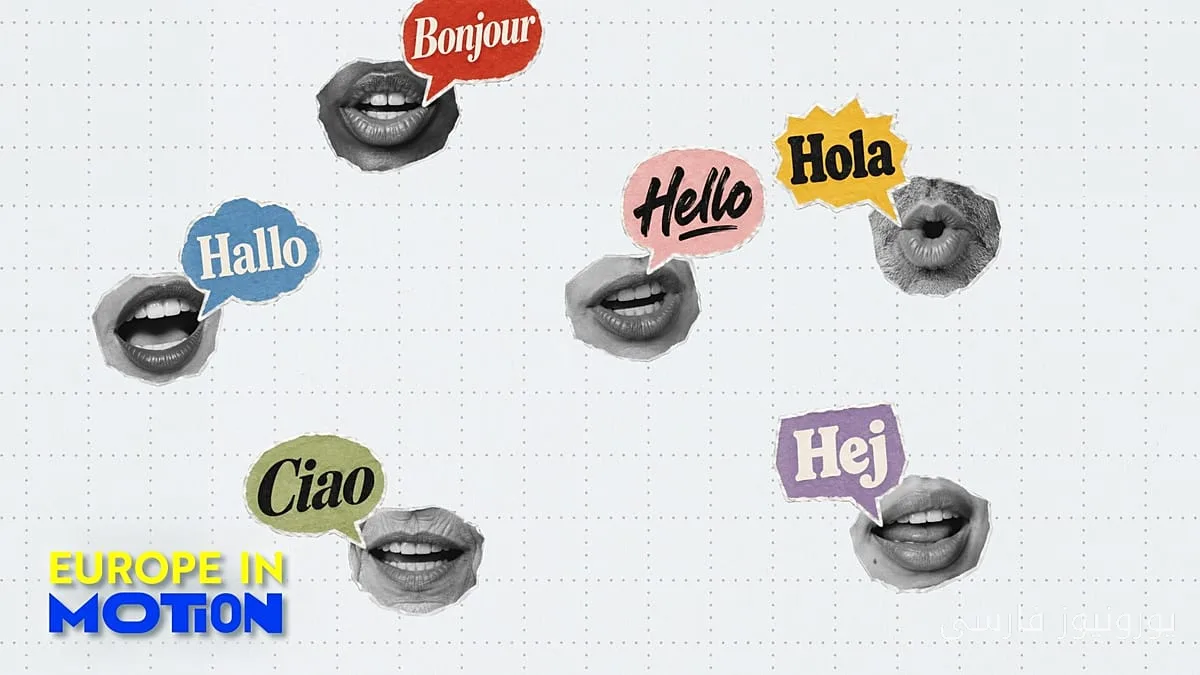
The majority of Europeans consider mastering a second language a valuable skill, but a recent survey shows that only a small percentage of them can actually speak one of the languages fluently. This survey, conducted among adults in the UK, Denmark, France, Germany, Italy, and Spain, reveals that between 87% and 97% in all six countries find learning another language beneficial.
Second Language Proficiency Rates in Different Countries
However, when respondents were asked if they could speak a second language fluently, the results varied significantly. Denmark recorded the highest rate at 74%. Germany followed with 54%, Spain with 47%, France with 37%, and Italy with 28%. The UK had the lowest rate at 21% among the six countries surveyed, reflecting the dominant influence of English as a global language.
Read more: Marine Le Pen prioritizes French citizens and addresses the housing crisis and cost of living
Reasons for Lack of Proficiency in Other Languages
The majority of those who do not speak a second language cite the main reason as a lack of perceived need to learn. Meanwhile, in Spain, more than one-third of non-language learners mentioned difficulty in learning as the primary reason. However, over 70% of those who do not know a second language expressed a desire to learn a new language, with travel being the main motivation.
English is the most popular language that the highest percentage of respondents chose to learn, with up to 83% of people in continental Europe declaring it as their language of choice. In the UK, however, Spanish and French are more favored.
The survey also addressed whether visitors from different countries should speak the local language. In Italy, Spain, and France, between 56% and 72% of respondents believe that tourists should have this expectation. In the UK, Germany, and Denmark, this figure ranges from 22% to 39%.
Regarding education, between 82% and 90% of respondents in Denmark, France, Germany, Italy, and Spain believe that foreign languages should be mandatory in schools until the age of 16. In the UK, this statistic is 66%, and the British show the least inclination to describe speaking another language as "very useful."
Read more: Large protests in Germany against far-right extremism · Swiss and French train stations lead in Europe; Germany in free fall!