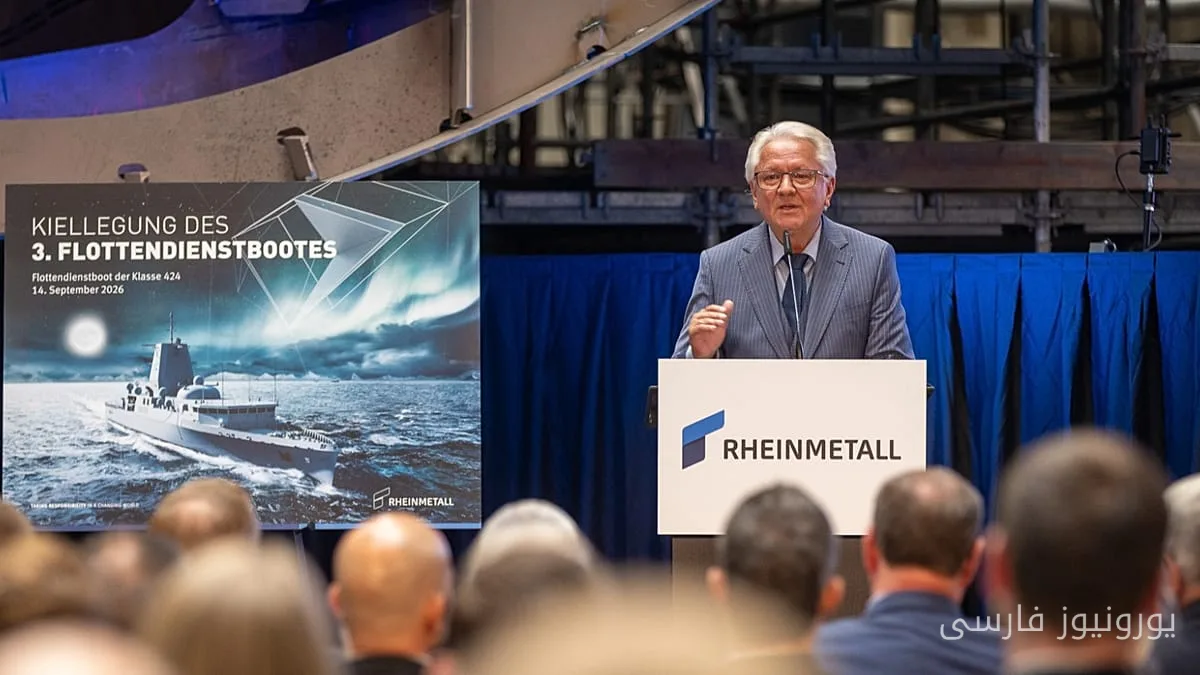
Armin Papperger, CEO of Rheinmetall, emphasized in his recent remarks that robots will soon enter various industrial fields, especially in defense and manufacturing. These statements not only reflect technological advancements in the European defense industry but may also indicate major changes that will occur in the job market and production methods in the near future.
Technological Advancements and Impact on the Defense Industry
Rheinmetall, as one of the pioneers in the defense industry in Europe, is investing in innovative technologies such as robotics and artificial intelligence. The company has stated that the use of robots can significantly enhance production efficiency and accuracy. Papperger further added that these technologies not only reduce costs but also enable the production of higher quality products.
Read more: EU Digital Wallet: 24 out of 27 countries will miss the deadline
Social and Economic Consequences of Robot Entry
The entry of robots into various industries could have profound effects on the job market in Europe. While some experts are concerned about the loss of traditional jobs and rising unemployment, Papperger believes that new technologies can also create new job opportunities. He pointed out that the demand for skilled labor in innovative technologies will increase and urged governments to provide appropriate training programs to prepare the workforce for these changes.
In conclusion, Armin Papperger emphasized that the future of the defense and manufacturing industries in Europe depends on technological changes, and Rheinmetall is striving to respond to these transformations by utilizing robots and artificial intelligence. These changes could not only benefit companies but also help improve the quality of life for citizens.
Read more: New research on cataract surgery in space with artificial lenses · The clash between 'doomers' and 'boosters' in global discussions about the dangers of artificial intelligence