The Berlin guerrilla unit, as an independent entity with a flexible structure, has played a vital role in arming Ukraine. Established a few months after Russia's attack on Ukraine in 2022, this small unit has become one of Germany's most important military support tools with its short decision-making chain and agility.
History of Germany's Support for Ukraine
Last year, Germany was recognized as the largest military aid provider to Ukraine. Berlin spent nearly 58 billion euros on arms purchases, and this year, that figure has reached 11.5 billion euros. This approach marks a historic shift for Germany, which had refrained from sending weapons to war zones for decades due to its Nazi past.
Read more: Serbian students submitted their electoral list to the electoral commission
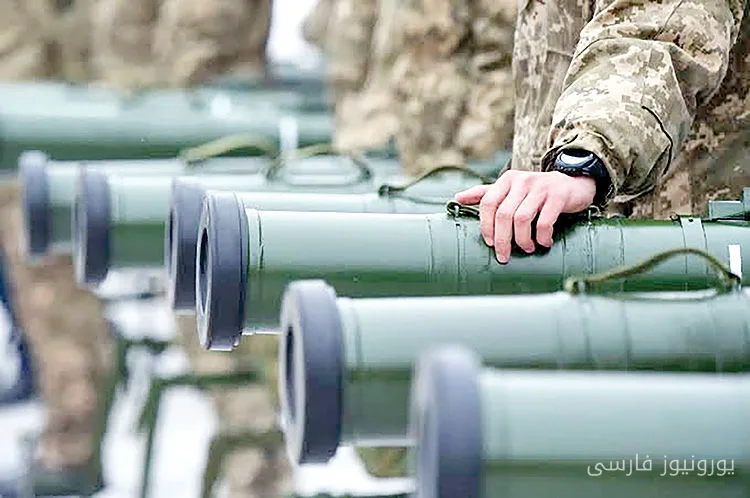
Before the Russian invasion, Germany had only provided 5,000 helmets to Ukraine. However, with the onset of war and international pressures, Berlin initially sent anti-tank and anti-aircraft equipment from its military reserves and then moved towards supplying heavier weapons.
The Role of Technology and International Cooperation
One of the significant achievements of this unit is its collaboration with German defense technology companies. For instance, Ukrainian forces were able to connect five reconnaissance drones made by the German company "Quantum Systems" to the Starlink communication network and use them for artillery target identification. This system helped Ukraine repel Russian attacks in one of the key battles of 2022.
The special staff has gained a reputation for its speed and flexibility. Because contracts are signed in the name of the Ukrainian government, this unit can bypass many complex arms procurement regulations in Germany. With fewer than 20 employees, this unit has taken on a startup-like structure, and its members possess deep knowledge of weapon systems.
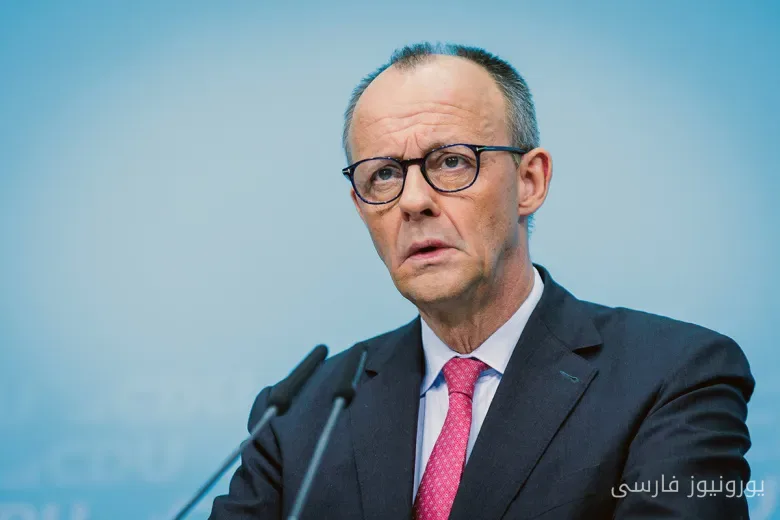
Under Chancellor Friedrich Merz, Germany's support for Ukraine has significantly increased. With a 99 percent reduction in U.S. support for Ukraine last year, Germany and the European Union have sought to fill the resulting gap. However, European aid has still not been able to stop Russia's advance, and Ukraine continues to face a shortage of interceptor missiles.
Cooperation is not limited to arms purchases. Germany supports the production of new Ukrainian weapons, including missiles capable of striking deep into Russian territory. Joint agreements for mutual cooperation between the defense industries of the two countries have also been signed, allowing Ukrainian companies access to NATO markets.
This transformation in Germany's defense industry has also raised concerns, as Ukraine is transitioning from being a mere importer to an arms exporter. Germany is also trying to leverage Ukraine's battlefield experiences. Dozens of Ukrainian soldiers have traveled to Germany to share their experiences, and the German army has gained access to Ukrainian battlefield data.
Read more: The German Chancellor dismissed rumors about his resignation · The Iraqi Prime Minister met with German officials in Berlin