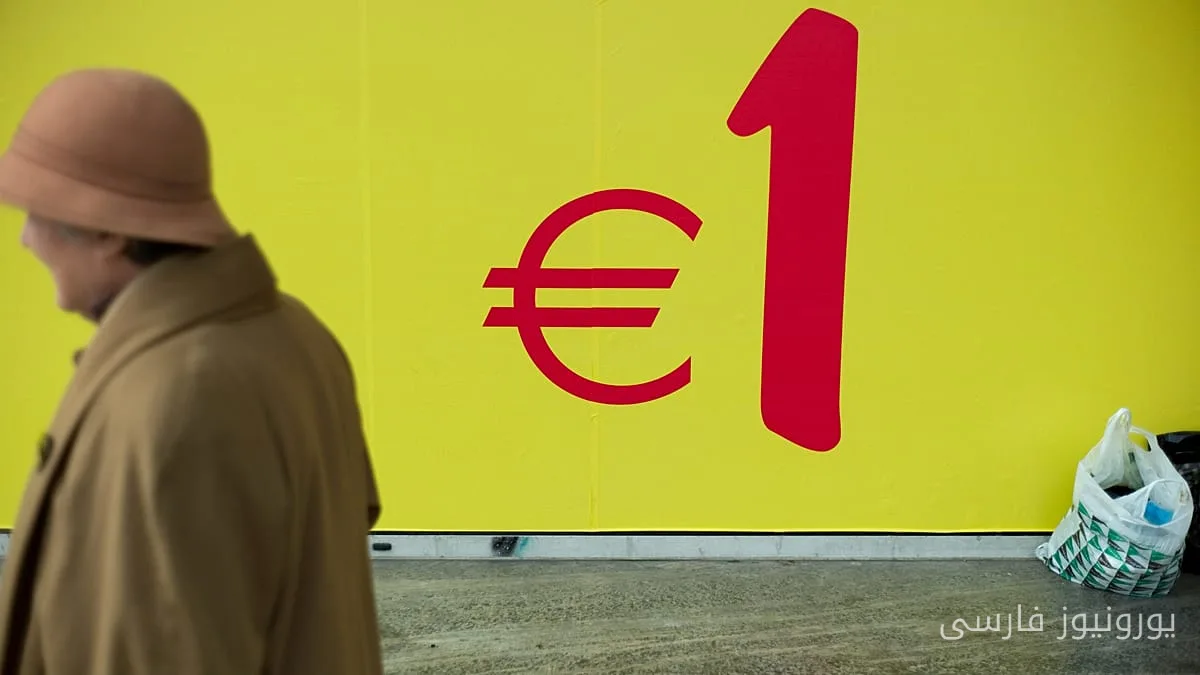
The Portuguese government officially decided on Thursday in a cabinet meeting to grant bonuses to retirees and reduce income tax brackets (IRS) for workers. Retirees whose pensions are up to 1,611 euros will receive a special increase of between 100 to 200 euros in December, totaling 400 million euros. Additionally, the IRS reduction will be applied up to the sixth bracket, amounting to 400 million euros. This measure will come into effect in November.
Purpose of the Tax Reduction
Luís Montenegro, the Prime Minister of Portugal, announced in Parliament that the aim of the IRS reduction is to support the middle class. He emphasized that "families can no longer bear it." This announcement came during a discussion about a no-confidence motion that was rejected. Prior to that, the Prime Minister defended his cabinet's social and economic policy, including measures to address rising fuel prices.
Read more: The European Central Bank invites citizens to vote for the redesign of euro banknotes
The day before this announcement, diesel prices in Portugal reached their highest level, and gasoline also hit its highest since the invasion of Ukraine. This increase was met with public protests, and during demonstrations towards the Galp refinery in Sintra, placards reading "families can no longer bear it" were displayed.
Review of Economic Measures
Economist João Rodrigues dos Santos considers these measures legitimate and describes them as "a return to those who need it most," but he opposes the method of implementation. He believes that "these measures should be more structural and reflected in the government budget." This professor, who coordinates economic management at the European University, believes that "public policies should not depend on the government's financial situation every year."
The government's financial situation has also been highlighted by tax lawyer Tiago Caiado Guerreiro. He points to the increase in tax revenues from rising prices and states that "the government should collect more revenue from value-added tax (VAT)." He describes these measures as a repayment mechanism and says: "This bonus for retirees is a political action, but considering the low pensions in Portugal, it is not surprising."
Rodrigues dos Santos also points to the increase in VAT revenue and notes that "this revenue could reach around 700 million euros." He also mentions the reduction of tax on petroleum products (ISP) and states: "This revenue should be neutralized by the ISP reduction to prevent the government from financially benefiting from rising fuel prices."
Both experts emphasize that taxes in Portugal are very high. Caiado Guerreiro says: "Anything that helps reduce taxes or increase people's income is generally acceptable." He also points to the need to simplify the IRS system and believes that "there should be fewer brackets and a lower slope in taxes."
However, opposition parties, including the Socialist Party, are calling for a reduction in VAT on essential goods, and the Chega Party has also made proposals in this regard. Caiado Guerreiro warns that such a measure could be difficult and states: "Reducing VAT to a lower level means reducing revenue that the government cannot cope with."
Read more: Review of public spending in Europe and the share of social support · Capgemini announces the sale of its American subsidiary after criticism