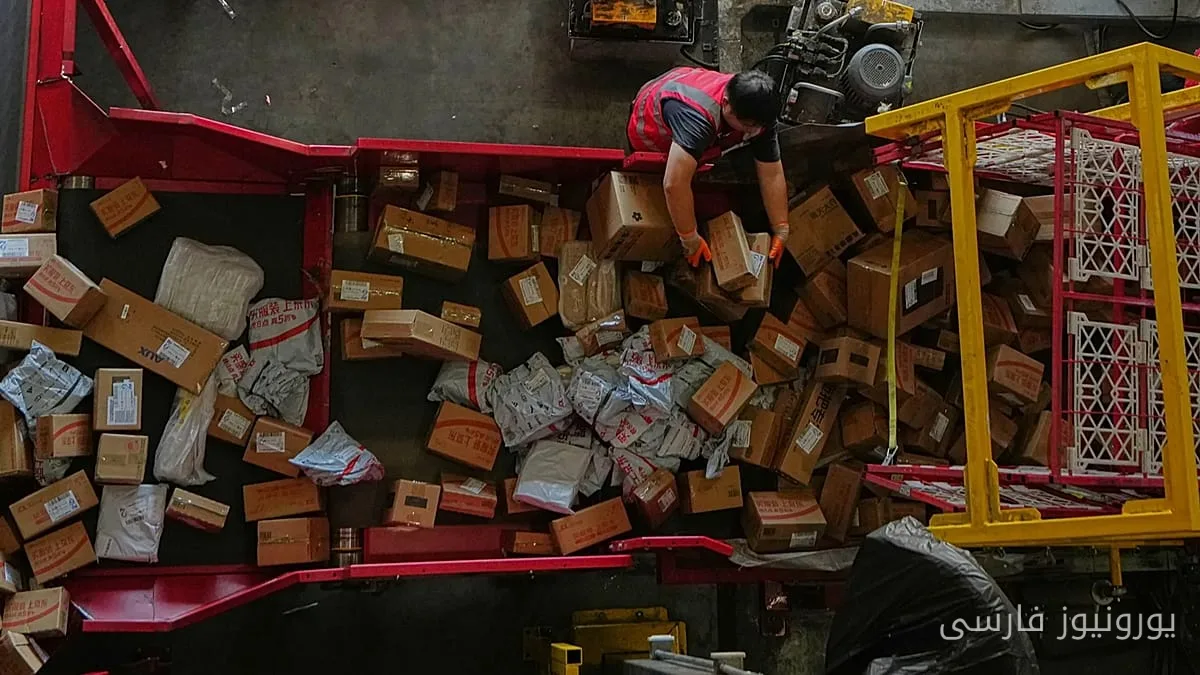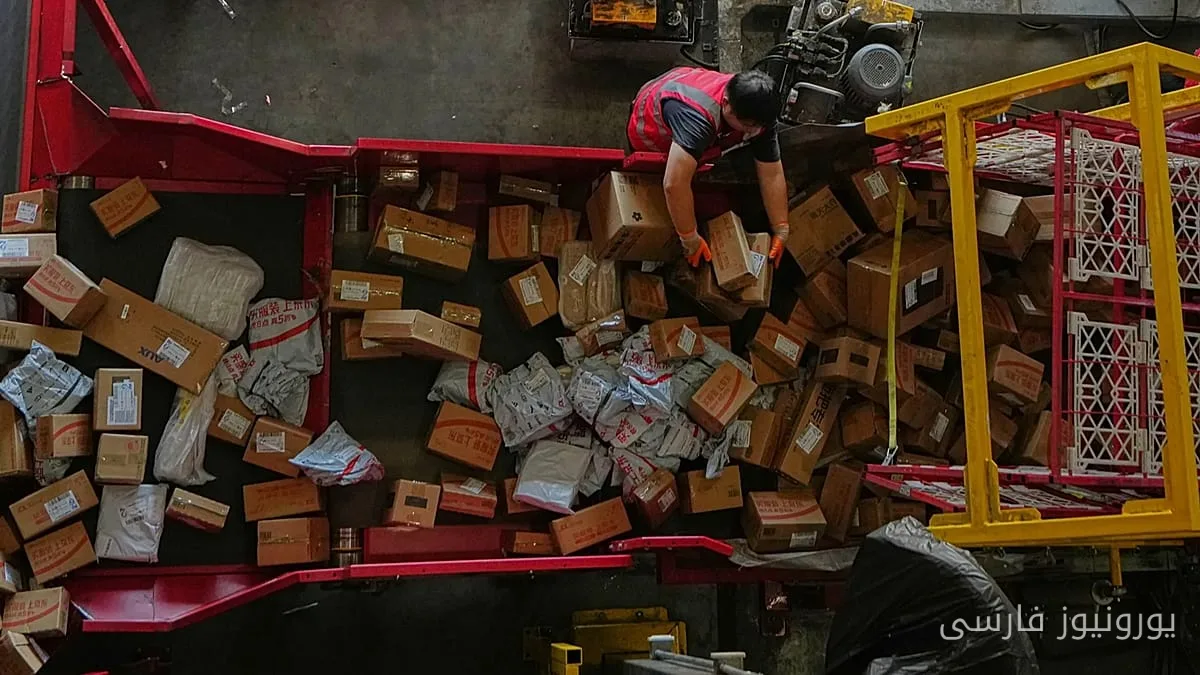
The reduction in the number of small parcels valued under €150 entering Europe has significantly begun as a result of the new €3 tax. Customs data from the Netherlands and Belgium indicates that since July 1, the number of these parcels has decreased by nearly 50% on average. In Belgium, the number of these parcels has decreased by 53% compared to last year, while a 46% decrease has been observed in the Netherlands.
Factors Behind the Decrease in Small Parcel Imports
These two countries account for nearly half of all low-value imports into the European Union. Dutch customs have indicated that this decrease may be related to changes in operational methods resulting from this tax. In light of this change, it seems that more companies are turning to bulk imports and warehousing within the European Union to supply their goods to consumers.
Read more: Germany's Industry Shifts Towards China: 33% Investment
This temporary tax has been implemented following concerns from politicians regarding the unprecedented dominance of Chinese e-commerce in the European market and the influx of billions of low-value parcels into the domestic market. According to data from the European Commission, in 2024, approximately €4.6 billion worth of low-value goods under €150 will be imported into the European Union, averaging 12 million parcels per day. This figure shows a significant increase compared to €2.3 billion in imports in 2023 and €1.4 billion in 2022.
Challenges in Monitoring and Security of Goods
The high volume of parcels and the current fragmented structure of European customs make effective monitoring of goods entering difficult. This monitoring could prevent the entry of illegal products, which is currently a major issue for Europe. A laboratory study published in 2025 shows that 63% of 111 clothing items examined in Italy and across the European Union contained carcinogenic, endocrine-disrupting, or allergenic chemicals.
Similar reports have also been published by environmental organizations and European consumers. Dirk Goutink, a Member of the European Parliament responsible for customs reforms, has stated that the new €3 tax has significantly reduced the flow of parcels, but there is still a long way to go. He emphasized that with this law, EU and national customs authorities will gain the necessary tools to effectively protect businesses and consumers.
The new customs reforms are aimed at facilitating the tracking of imported goods from outside the European Union. As part of these reforms, the European Union will establish a data center in Lille, France, where customs information will be collected and analyzed. This new customs entity is expected to be operational by 2028.