Uzbek weddings, as symbols of rich culture, are not only celebrations of love and emotional bonds but also represent deep traditions and family values in this Central Asian country. These ceremonies have attracted much attention due to their emphasis on community and family, especially in migrant communities in Europe.
Traditions and Customs
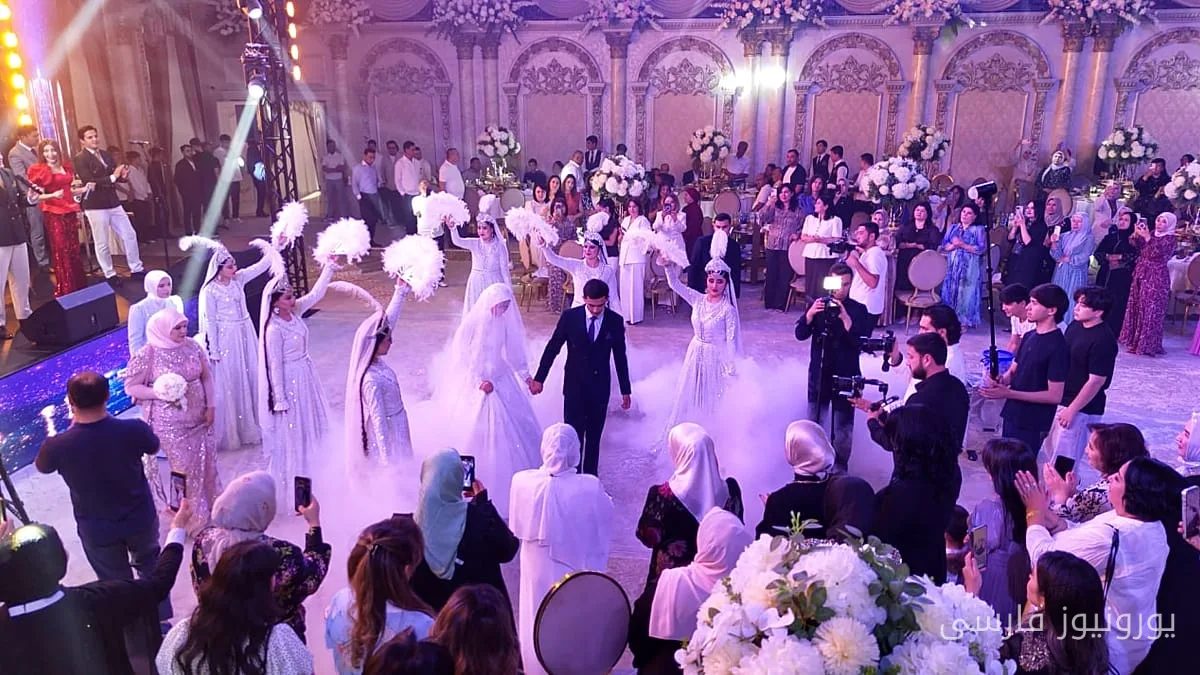
Weddings in Uzbekistan usually include various ceremonies, each symbolizing something special. From the engagement ceremony to the grand wedding celebrations, each stage is conducted with care and respect. One of the most important aspects of these weddings is the selection of traditional and beautiful attire specifically designed for this day. Brides typically wear white dresses, and grooms wear traditional clothing, symbolizing purity and happiness.
Read more: Pope Leo XIV opened a water exhibition at the Vatican Library
The Role of Family in the Ceremony
Families play a key role in Uzbek weddings, as family members act as advisors and supporters throughout all stages of the ceremony. These events are seen not only as a celebration for the bride and groom but also as an opportunity to strengthen family and social bonds. In migrant communities in Europe, these traditions serve as a means to preserve cultural identity and connect with their roots.
Uzbek wedding ceremonies typically include traditional music and dances that create a lively and energetic atmosphere. These celebrations can last several days, bringing together close and distant friends and family to celebrate these special moments.
Cultural Impact in Europe
With the increase in Uzbek migration to Europe, these traditions have gradually become more recognized in European communities. Holding Uzbek weddings in European countries is not only considered an important cultural event but also an opportunity to introduce the rich Uzbek culture to others. These cultural interactions can lead to mutual understanding and respect among cultures and enhance cultural diversity in European communities.
Read more: Nashville International Airport to be renamed after Dolly Parton · Endless Expectations: Families Struggling with the Dilemma of Diagnosing Dementia