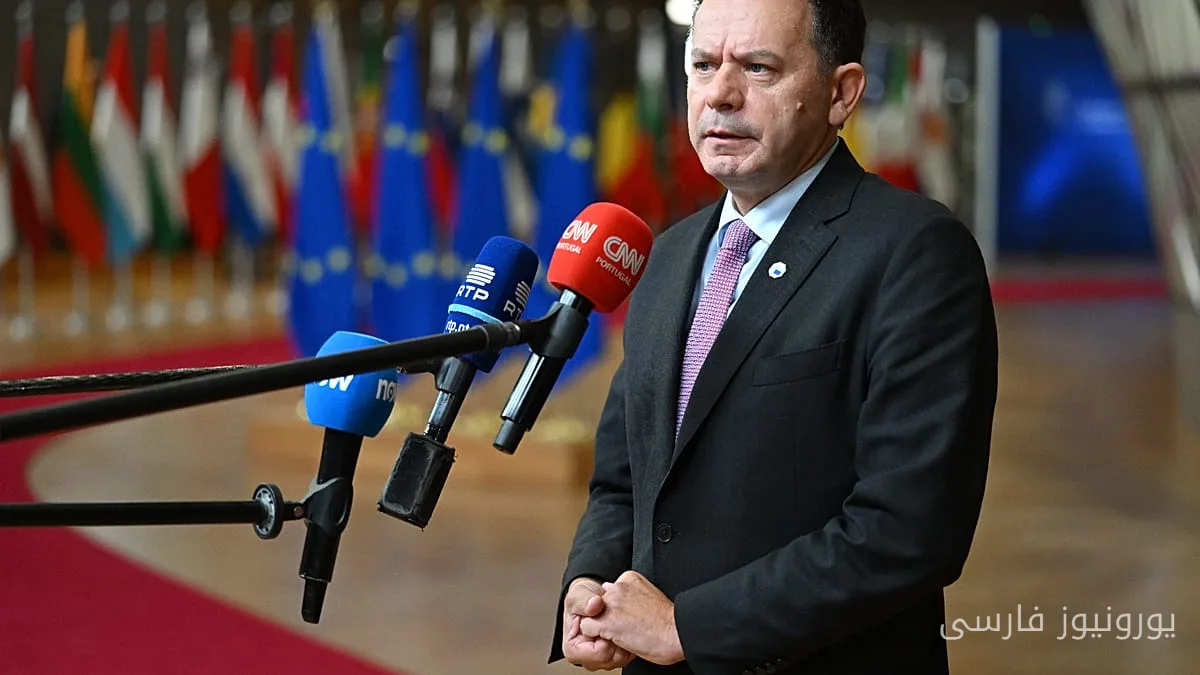
The Prime Minister of Portugal, Luís Montenegro, announced measures to tackle the rising cost of living, particularly following the increase in fuel prices, during a national speech held on Thursday night. This plan includes measures that had previously been proposed in Parliament, including an increase in pension bonuses and a reduction in income tax brackets (IRS).
Details of the Financial Plan
According to Montenegro, the pension bonus will be provided as 200 euros for pensions below 537 euros, 150 euros for pensions up to 1,704 euros, and 100 euros for pensions up to 1,611 euros. These payments will be made in December. Additionally, the reduction in income tax will include six tax brackets, with the main goal of supporting middle-class households.
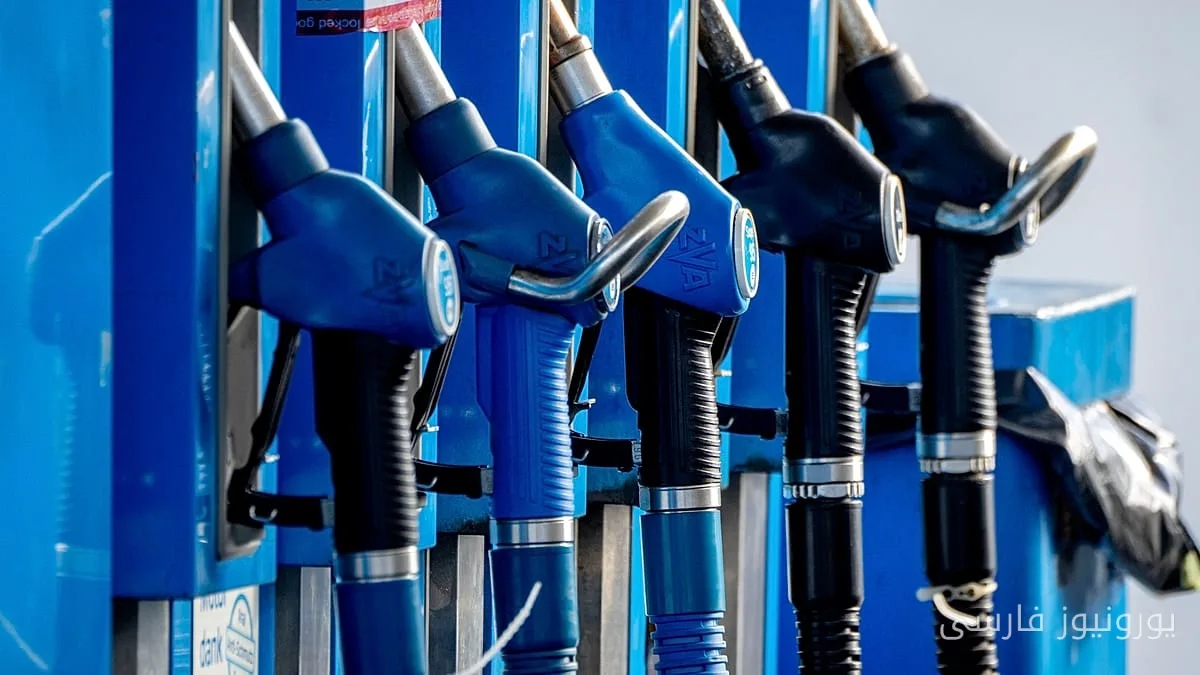
Furthermore, the Prime Minister explained that the government will continue to provide discounts on the tax on petroleum products (ISP). This discount is expected to reach about 1.3 billion euros by the end of the year and will likely increase to 25 cents by next week. This measure is intended to alleviate financial pressure on households and assist sectors affected by rising fuel prices, such as taxis and farmers.
Analysis of Financial Situation and Political Choices
Montenegro also emphasized that the government will not change the value-added tax (VAT) under any circumstances. He stated that he does not wish to exchange the reduction of tax on certain food items from 6% to zero with the 800 million euros returned to households through the IRS and pension bonuses. These decisions have faced criticism and requests from the Socialist Party and other parties.
The Prime Minister of Portugal, referring to his choices in financial policy, said: "I respect the choices of my counterparts in the European Union, but I do not want to trade my country's financial and tax policy with neighboring countries like Spain, France, or Italy." He referred to a comparison between fuel prices in Spain and Portugal and addressed the public's concerns about this.
At the end of the speech, Montenegro warned about the prolonged crisis and recalled Portugal's past and international bailout programs. He emphasized that the government cannot rely on unrealistic promises that would impose a heavy financial burden in the future.
Read more: Decrease in cargo ship traffic in the Strait of Hormuz to just 4 instances · Unprecedented developments in Europe: Major changes in policies and economy