Lin Lu, an Australian scientist, is discovering innovative solutions for waste recycling. Once a researcher in Australia, she has focused her attention on waste from the abalone industry and now helps startups to repurpose waste with new ideas.
The Waste Challenge in Australia
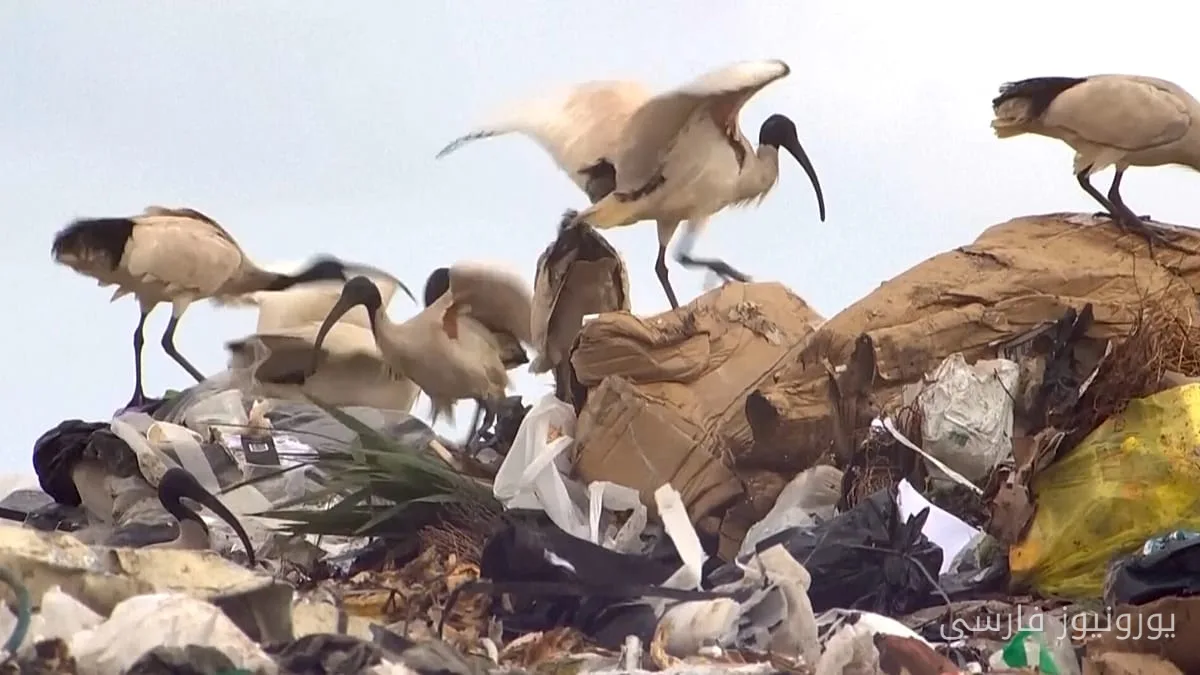
According to statistics from the Australian Department of Climate Change, Energy, the Environment and Water, the country produces 76 million tons of waste annually, which translates to 2.9 million tons per person. A significant portion of this waste is sent directly to landfills. However, innovative projects are emerging that can help recover the value of these materials.
Read more: Nile Gold; Blessing or Curse? The Fate of Sudan's Agriculture at Risk
Transforming Waste into New Products
Matt Barber extracts cellulose from food waste using his home laboratory. He explains: "The pure cellulose I obtain can be turned into paper, leather, or wood products. This cellulose can be converted into bioplastic, allowing us to produce this cellulose in a week instead of planting a tree for paper production."
Barber benefits from collaborating with Lin Lu as a waste intermediary, stating: "You have a startup and don’t know what to do, and she helps you find the market." This collaboration helps startups convert waste into valuable products.
Further Innovations in Waste Recycling
At a waste facility in Kaly, Western Australia, the company Renogy continues to develop this idea. Using thermal conversion technology, the company transforms waste into various products including vinegar, biochar, and oil. DJ Parker from Renogy says: "We can process nearly 30,000 tons of organic waste annually, and over 70 percent of the recovered materials are turned into new products."
This project has received funding from the Australian Renewable Energy Agency and is expected to become one of the largest producers in the country. Lin Lu also emphasizes the importance of these innovations, stating: "It is important for people to see that this is possible, as there are many skeptics."
Read more: The Biggest Water Crisis in England: Thirsty Soils and Moisture Shortage · Wolf Population in Italy: Living Alongside a Growing Population