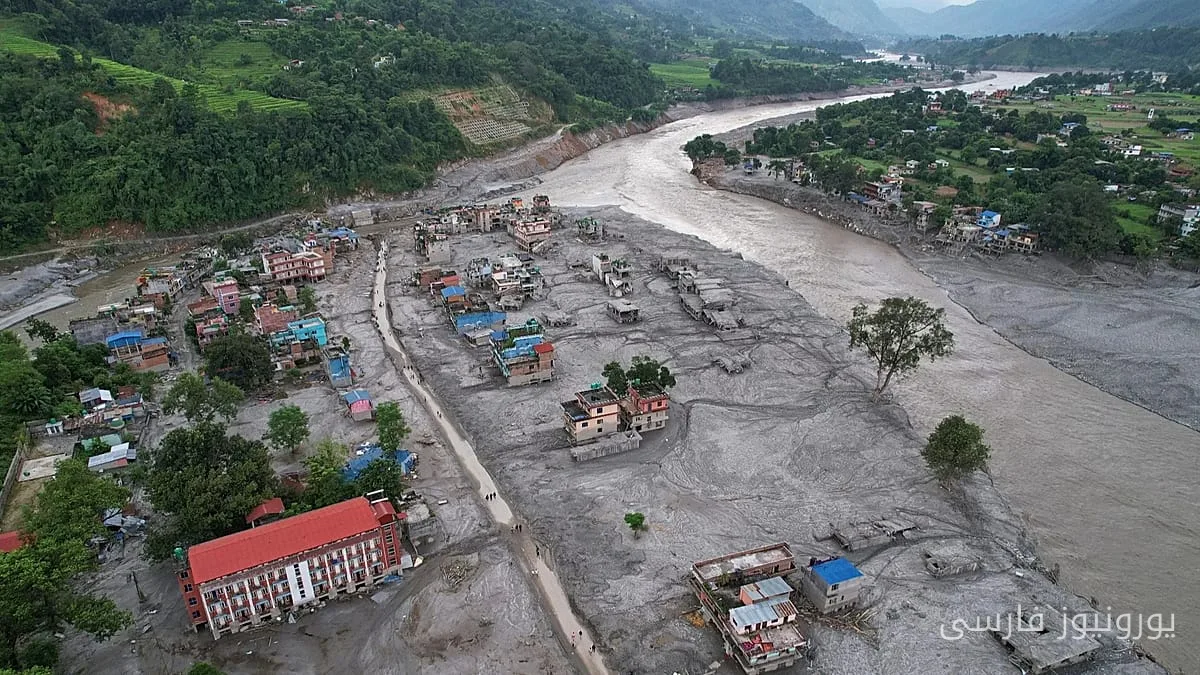
Climate change has been recognized as the main cause of the recent deadly flood in Nepal and China. This flood, which occurred in the mountainous regions of both countries, has turned into one of the largest humanitarian crises in recent years. Scientists and researchers believe that climate change, including rising temperatures and heavy rainfall, has contributed to this disaster.
Details of the Flood Incident
The recent flood in Nepal and China has occurred as a result of heavy rainfall and the melting of glaciers. This incident has led to the destruction of infrastructure and the loss of residential areas, putting the lives of thousands at risk. Local and international officials are working to rebuild these areas and assist the victims.
Read more: Why Plant-Based Leathers Cannot Replace Real Leather?
Consequences of Climate Change
Research shows that climate change has left destructive effects not only in Nepal and China but also in many parts of the world. Rising temperatures, changing rainfall patterns, and melting glaciers are among the consequences of these changes that can lead to serious humanitarian and environmental crises. This issue is particularly concerning for developing countries that are heavily impacted.
Experts believe that immediate action to combat climate change and manage water resources is essential. These actions include improving infrastructure, educational programs, and raising awareness in local communities to reduce the risks associated with natural disasters. Additionally, international cooperation in the field of climate change and management of humanitarian crises can help improve the situation.
Read more: Rare Reproduction in the Wild: Sea Turtles and Baby Orangutans · Ursula von der Leyen Responds to Challenges in the State of the European Union