Gran Canaria, an island in the Atlantic, is increasingly recognized for its year-round appeal to European tourists. With a blend of diverse landscapes, cultural richness, and a vibrant culinary scene, it stands out as a compelling destination beyond the traditional summer peaks.
A Geographical Treasure
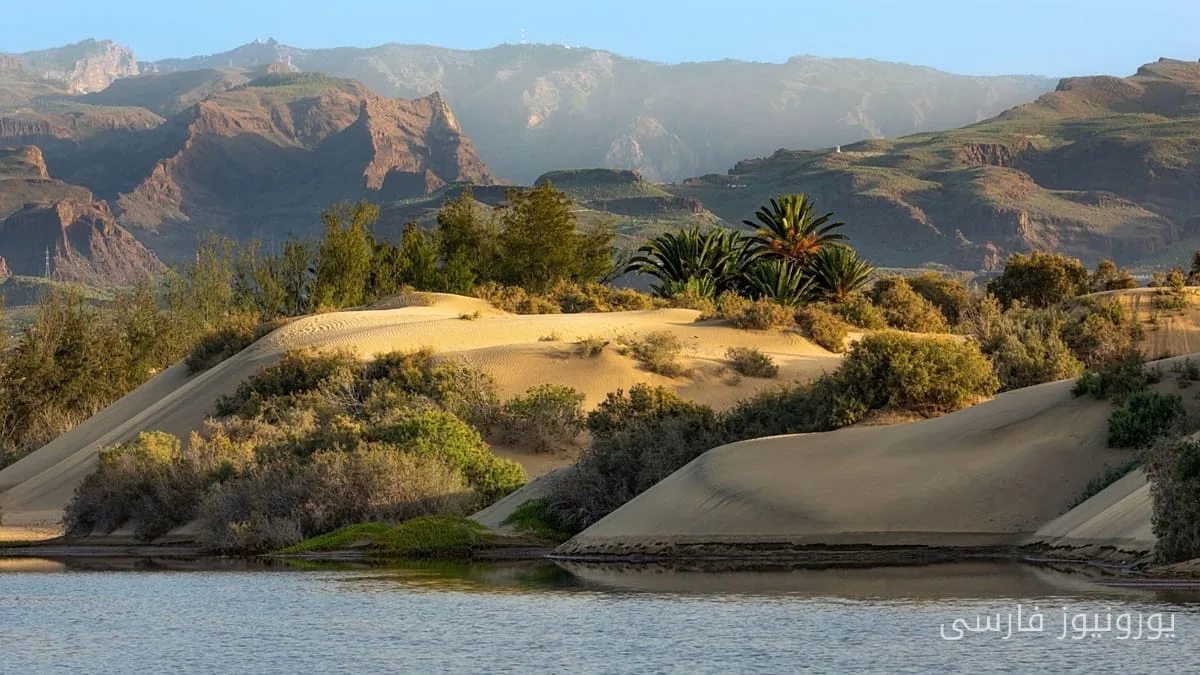
Often referred to as a "continent in miniature," Gran Canaria boasts an impressive geography that supports its reputation. The island features stunning sand dunes, volcanic highlands, and a UNESCO World Heritage cultural landscape, all within a compact area of 236 kilometers of coastline. Visitors can enjoy a beach day, followed by a hike in the mountains, and dine in the bustling capital, Las Palmas de Gran Canaria, all without the need to change accommodations.
Read more: Closing the Kennedy Center for repairs after Trump's name was blocked
Accessibility is a significant advantage for Gran Canaria. The airport operates 24/7 and has reported handling over 15 million passengers annually, with connections to more than 160 airports across 30 countries. This connectivity makes it an attractive option for European travelers looking to explore new destinations.
A Sustainable Paradise
Sustainability is ingrained in Gran Canaria's identity, as approximately 43% of the island is part of its Biosphere Reserve, designated by UNESCO in 2005. This area encompasses communities where traditional practices such as farming and cheese-making are integral to everyday life. The island's commitment to sustainable tourism aligns with the United Nations' Sustainable Development Goals, making it a model for responsible tourism.
Gran Canaria's cultural heritage is further highlighted by the Risco Caído and Sacred Mountains of Gran Canaria Cultural Landscape, recognized as a UNESCO World Heritage Site in 2019. This region is home to ancient troglodyte settlements and sacred sites, reflecting a unique pre-Hispanic culture. The interplay between the landscape and the night sky has also earned Gran Canaria the status of a Starlight Tourist Destination, promoting astrotourism and environmental awareness.
Culinary Delights and Local Life
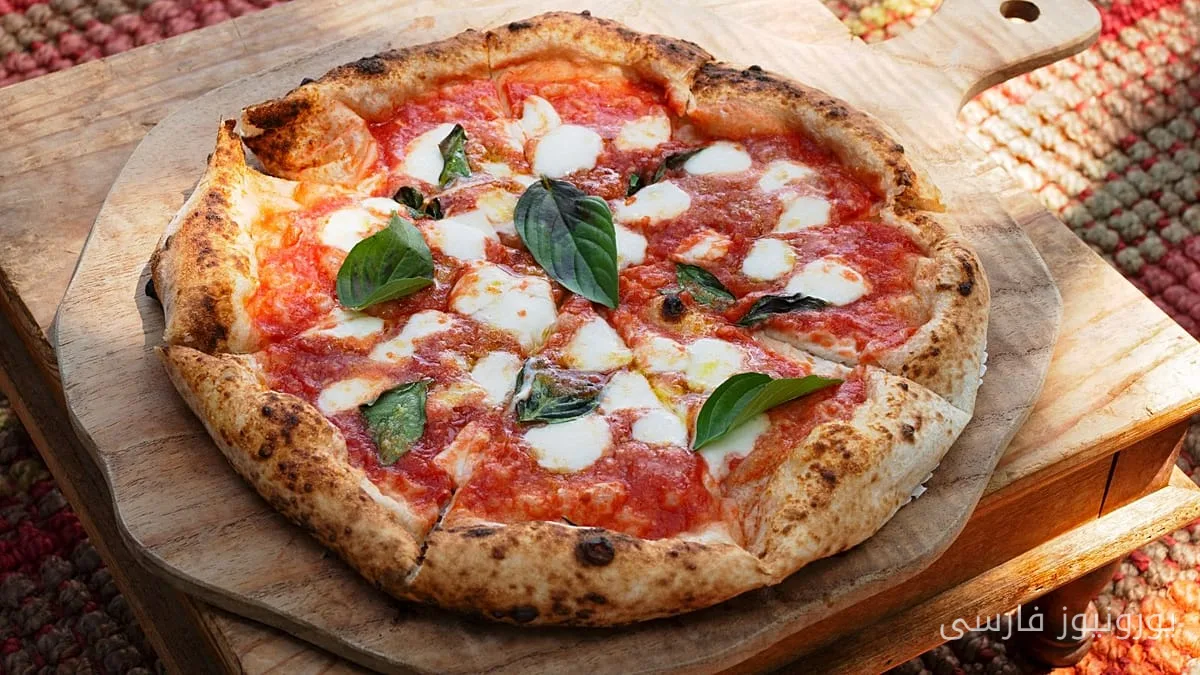
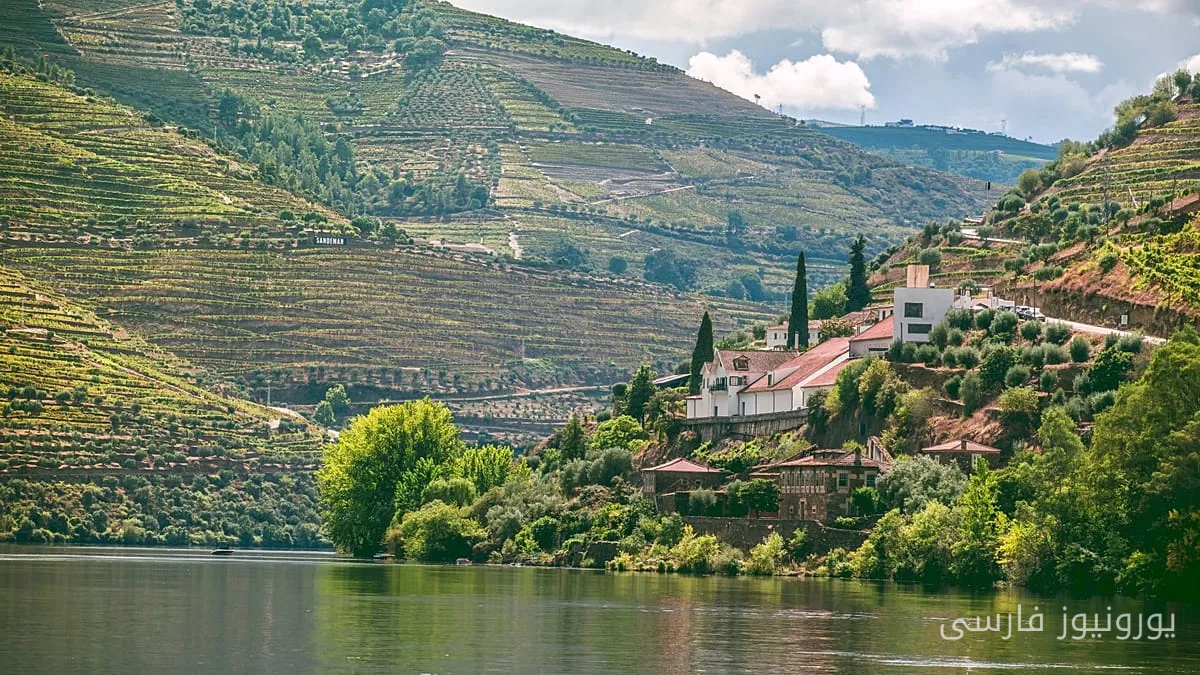
The culinary scene in Gran Canaria complements its natural beauty, with five Michelin-starred restaurants and a certified Wine Route showcasing local flavors. Traditional ingredients such as Flor de Guía cheese, gofio, and locally-grown coffee from the Agaete valley contribute to the island's rich food culture. The Gran Canaria Km.0 Fair promotes local agricultural products, fostering a connection between producers and consumers while encouraging responsible consumption.
Las Palmas de Gran Canaria adds a cosmopolitan flair with its historic neighborhoods, vibrant markets, and beautiful beaches. The combination of cultural landmarks and modern amenities positions the city as a must-visit destination for those looking to experience the island's dynamic lifestyle.
Gran Canaria exemplifies how a destination can thrive by offering depth and diversity. As European tourism continues to evolve towards longer seasons and varied experiences, Gran Canaria serves as a valuable case study for other islands aiming to broaden their appeal.
Read more: Increasing tourism in Uzbekistan with attractions beyond the Silk Road