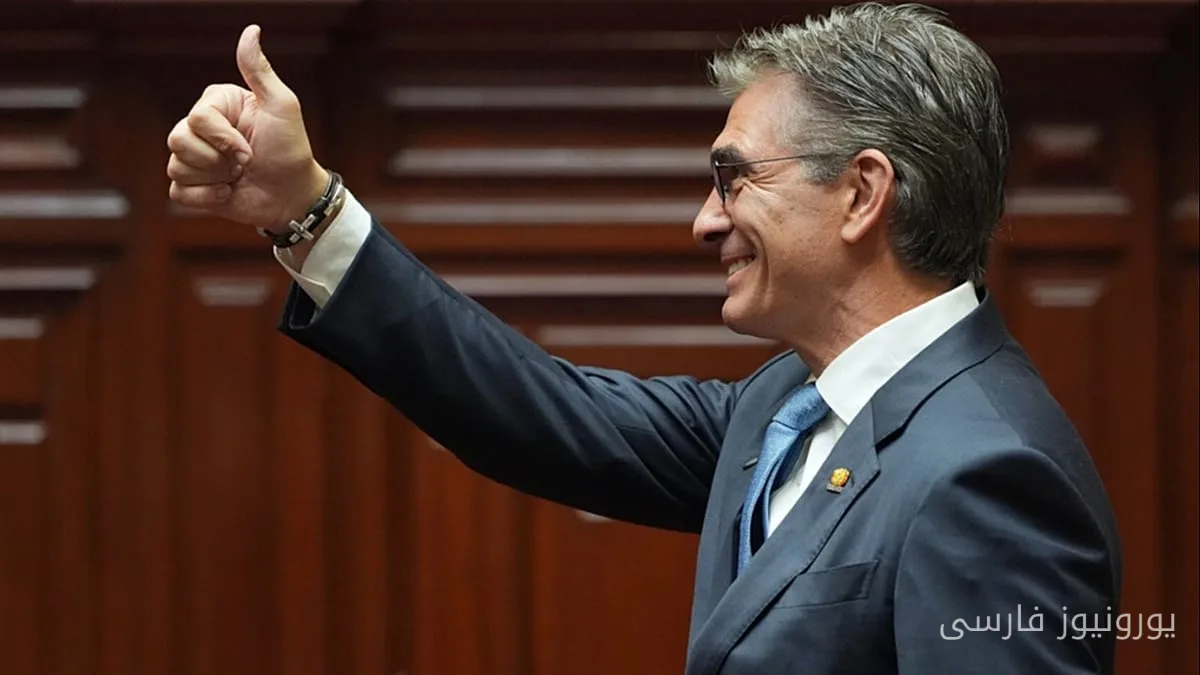
The Bolivian Congress approved a $1.9 billion loan agreement with the International Monetary Fund (IMF) on Friday, which will assist the country's conservative government in its efforts to mitigate a deep economic crisis. This move comes as unions have threatened to resume protests.
End of Diesel Subsidies and Its Impacts
Following the loan approval, President Rodrigo Paz announced that diesel subsidies, used for trucks, buses, and tractors, will end immediately. This decision is seen as a step towards meeting the IMF's demands. However, gasoline subsidies, primarily used in private vehicles, remain in place for now.
Read more: The U.S. government approved a new sanctions package against Russia
Economic Challenges and Potential Protests
The Senate's approval of this agreement came one day after it was confirmed in the House of Representatives, removing the last legal hurdle for a three-year financing program aimed at replenishing dwindling foreign reserves and stabilizing an economy battered by high inflation and weak growth. Economy Minister Christian Morales told senators that this agreement would provide greater assurance to other lenders, including the World Bank and the U.S. International Development Bank, and help secure around $5 billion in additional financing.
However, this assistance is conditional on implementing stringent economic measures that could reignite unrest in Bolivia. In June and July, weeks of road blockades had disrupted much of the country, with protesters demanding Paz's resignation. Congress extended the state of emergency for another 90 days on Thursday, allowing the president to intervene militarily and suspend certain civil liberties.
The Bolivian Workers' Federation and other unions have strongly opposed the IMF loan, warning that the necessary cuts in government spending under the agreement will increase the cost of living and put more pressure on low-income and vulnerable families.
While Paz's Christian Democratic Party does not hold a majority in Congress, moderate and right-wing representatives in both chambers supported the agreement. The Movement Towards Socialism party, which dominated Bolivian politics during Evo Morales's presidency, now holds only two seats out of 130 in the House of Representatives and none in the 36-member Senate.
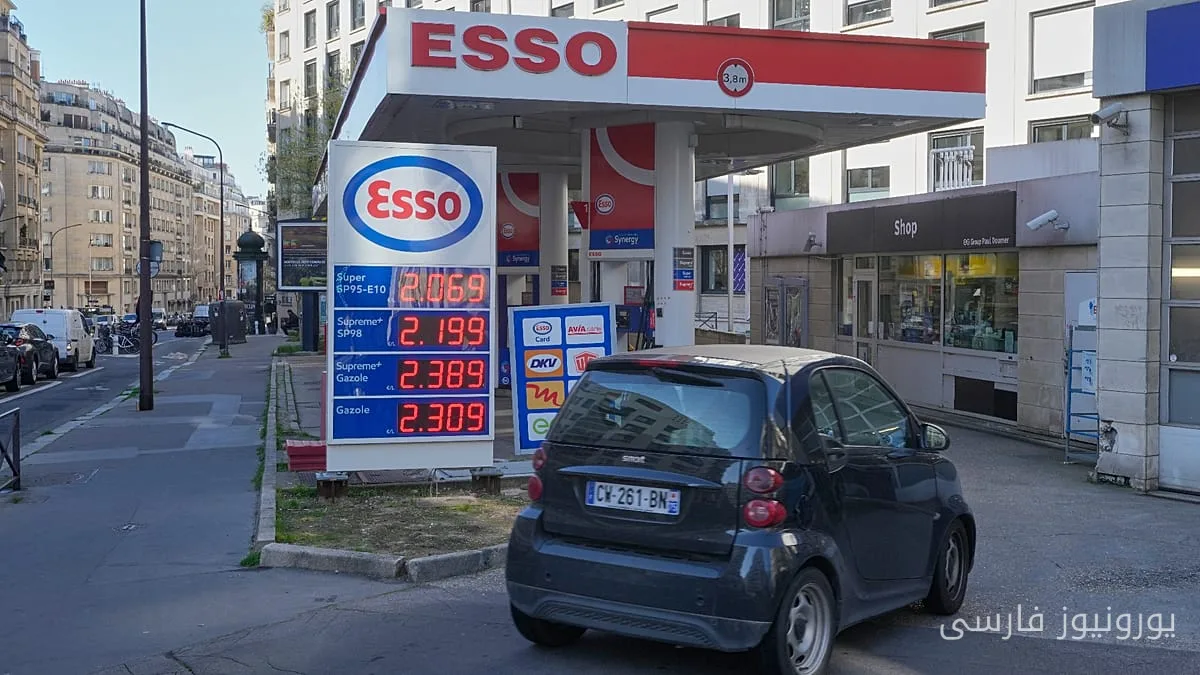
A decline in natural gas exports has deprived Bolivia of billions of dollars and exacerbated chronic fuel shortages that began in 2023. Paz announced in a late-night statement that diesel in Bolivia will now be sold at international prices, adding that no one can buy something expensive and sell it cheap.
To alleviate pressure on citizens, Paz plans to announce around $79 million in cash assistance for nearly 2.9 million Bolivians and also provide loans with special conditions for truck drivers, small businesses, and producers facing new diesel costs. He promised to redirect subsidy costs towards schools, hospitals, and roads, and emphasized that this change will end the ongoing diesel shortages in the country that have disrupted harvests and delayed the delivery of imported goods.
Paz stated, "With this action, we guarantee food supply 24 hours a day, seven days a week."
Read more: Meeting between the Presidents of China and the U.S. focusing on trade and technology