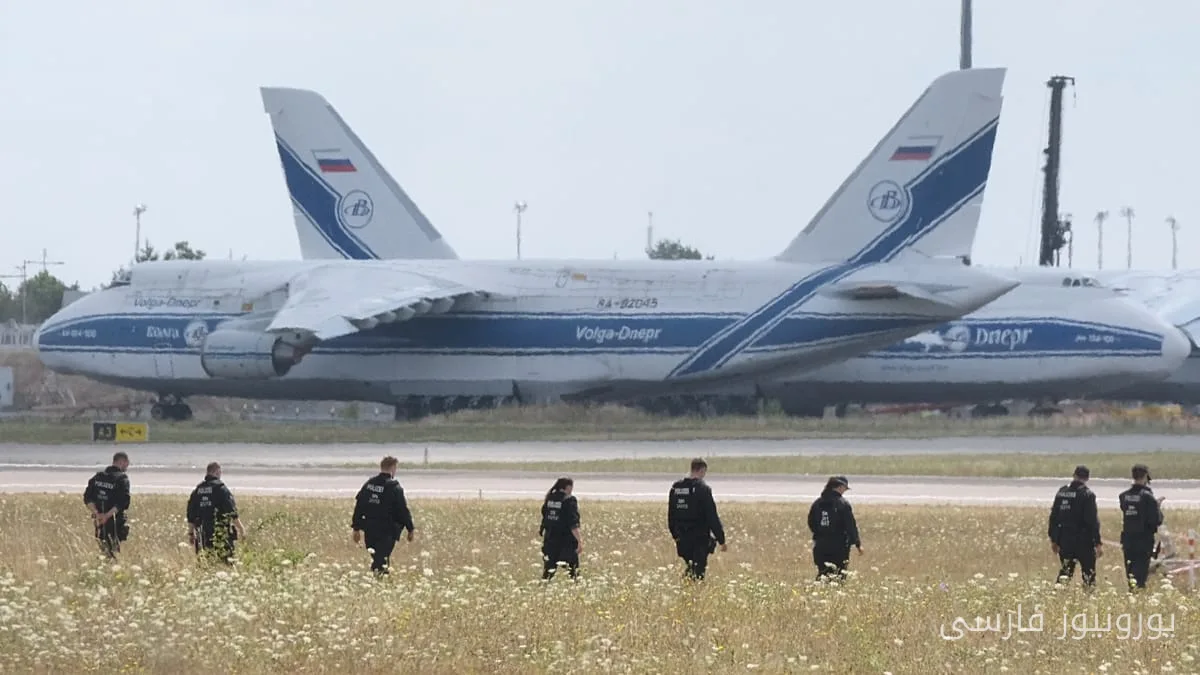
Following the increase of Russia's hybrid attacks across NATO territory, experts and diplomats are deeply concerned that Europe's inadequate response to these threats has increasingly weakened the deterrent power of this military alliance. This situation not only benefits the Kremlin but also fuels the rising risks and security challenges in the region.
NATO's Response Deficiencies
Analysts believe that NATO must respond swiftly and decisively to Russia's attacks; otherwise, the organization will be at greater risk than ever. Europe's inaction in the face of ongoing threats could undermine the confidence of member countries, ultimately leading to increased boldness from Russia in its future actions.
It seems that Vladimir Putin, understanding these weaknesses, continues his aggressions and seeks to exploit the current situation. Many European countries are still grappling with internal challenges and economic crises, which hinders decisive action against Russia.
Consequences of Inaction
This inaction poses not only a threat to Europe's security but also has global repercussions. If NATO fails to take a strong stance against Russia, other countries may also exploit this situation and resort to more aggressive behaviors. Meanwhile, neglecting this situation could lead to a larger crisis that would affect all of Europe.
Ultimately, experts believe that NATO must quickly modernize itself and respond to Russia's threats by establishing a strong defense strategy to restore its deterrent power. This action will not only benefit Europe's security but also demonstrate the collective will of member countries against global threats.