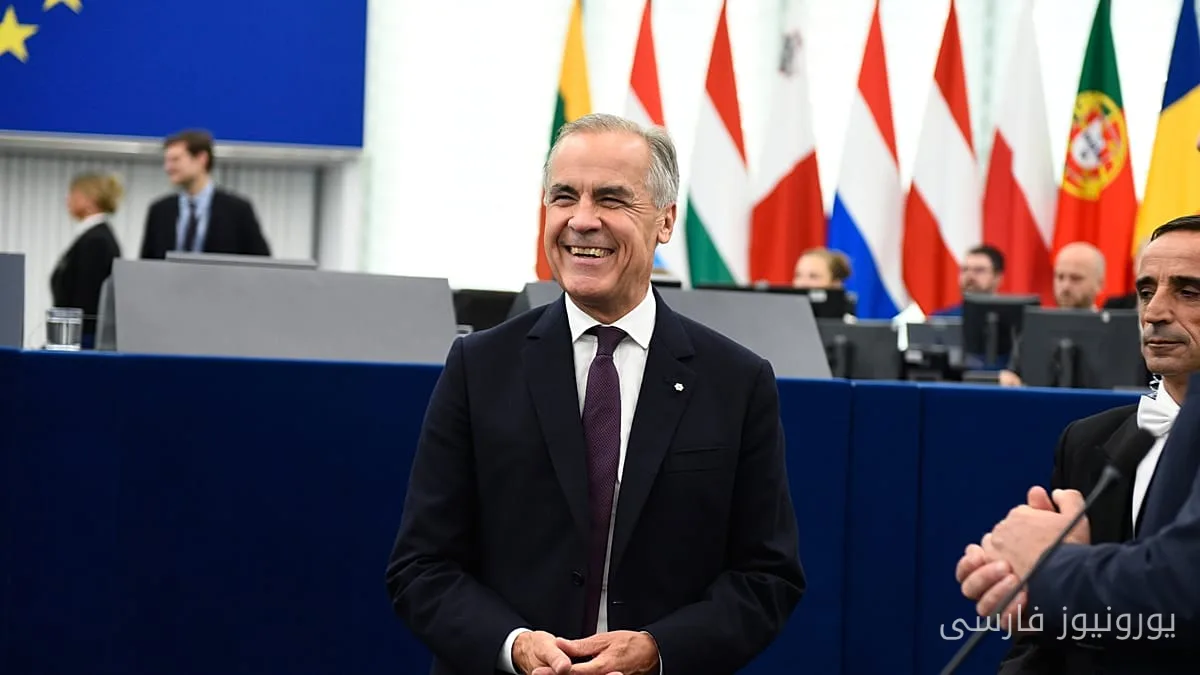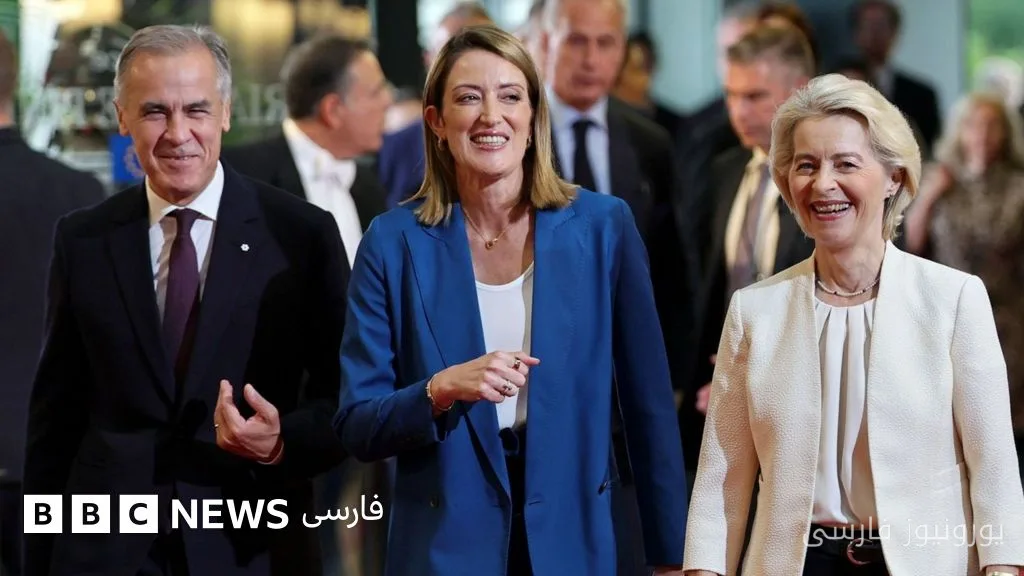
Ursula von der Leyen, the President of the European Commission, on Wednesday in the European Parliament supported proposals under which Canada could become the first "associate member" of the European Union. She stated that her goal is to "open the door" for Canada; a plan that will lead to closer relations in several key areas.
Unique Coalition with the European Union
Mark Carney, the Prime Minister of Canada, spoke last week about efforts to create a "unique coalition" with the European Union. Canada currently has tense relations with the United States, and trade disputes between the two countries have escalated. Von der Leyen, without directly mentioning Donald Trump, the President of the United States, said that offering some form of membership to Canada "is not a partnership against anyone, but rather to strengthen our collective power".
Read more: Ursula von der Leyen Addresses Key Challenges Facing Europe in Strasbourg
Strategic Partnerships
She added: "Partnerships are a strategic choice for Europe and at the same time a response to the gaps created in the international rules-based system." Mark Carney attended the annual session of the European Parliament in Strasbourg and is scheduled to speak in this parliament on Thursday.
Trade negotiations between Canada and the United States failed last month, resulting in a set of new tariffs. Donald Trump's repeated statements about turning Canada into the "51st state" have also fueled tensions between the two North American neighbors.
Von der Leyen, in her annual speech to the European Union, stated that the EU and Canada "see the world in the same way"; from issues like artificial intelligence and climate change to geopolitical matters. She also emphasized that "we stand together on issues like Ukraine, defense, raw materials, and supply chains. But above all, Europe and Canada believe in democracy".
The President of the European Commission did not provide specific details on how Canada's potential membership would be implemented, but mentioned production, technology, artificial intelligence, defense, energy, critical minerals, and economic security as key areas of cooperation. However, "associate membership" in the European Union currently does not exist, and if an agreement is reached to create such a status, the process may take years.
Earlier this year, Friedrich Merz, the Chancellor of Germany, suggested that Ukraine could benefit from this new status; a proposal that received mixed reactions.
Read more: The European Commission Introduced a Digital Platform for Identifying Social and Professional Credentials · Research Shows Air Pollution is Linked to Increased Suicide Risk in Europe