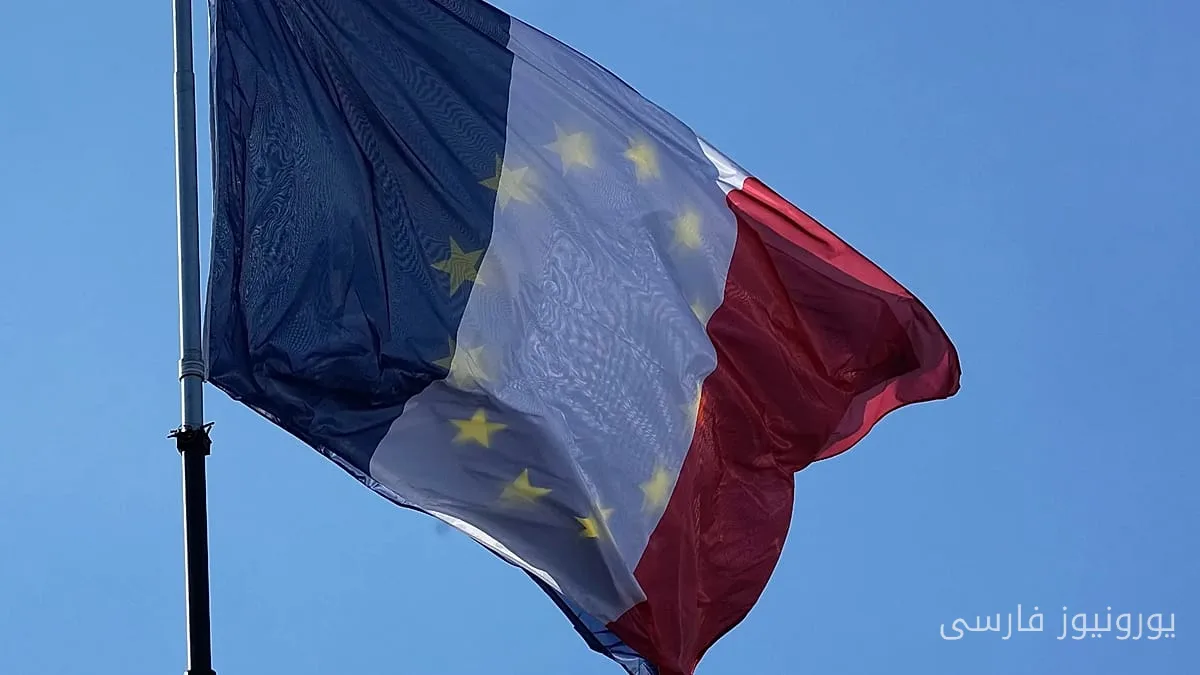
France has strongly opposed the European Commission's plan to expedite the approval of trade agreements by publishing versions only in English. This plan involves bypassing translation into the 24 official languages of the European Union in negotiations with governments and lawmakers. The European Commission hopes that this move will speed up negotiations and bring agreements to implementation faster while seeking to create new markets amid rising geopolitical tensions.
Economic and Legal Consequences
The European Commission has expressed dissatisfaction with the slow approval of the controversial EU-Mercosur trade agreement. Maroš Šefčovič, the Commission's trade chief, stated in a meeting with EU trade ministers in February that the trade agreement with India, which concluded on January 27, could serve as a model for using English as the primary language during the approval process. He noted that the failure to implement the Mercosur agreement since 2021 has meant a loss of nearly 300 billion euros in GDP and over 200 billion euros in export opportunities for the European economy.
Read more: Is the future of Seat shrouded in ambiguity?
Šefčovič also emphasized that after the agreements are published in the official journal, all agreements will be translated into the 24 official languages of the European Union. This proposal faced support from at least seven member countries in a recent meeting, although not all countries had the opportunity to speak.
France's Concerns and Language Challenges
French sources have strongly emphasized that Paris will oppose any move towards agreements solely in English. A French official stated, "As a principle, we advocate for the use of all EU languages, especially French, which is one of the working languages of the Union." This issue arises as language policy in EU institutions has become a sensitive topic due to the dominance of the English language in recent decades.
Another French official noted that a complete shift to English creates a legal and democratic issue, and the Commission is well aware of it. The European Commission's website also states that linguistic diversity is essential and that the EU promotes multilingualism in its institutional work. Even in the past, a commissioner was specifically dedicated to multilingualism, but this portfolio was gradually merged with other portfolios and eventually disappeared.
Michel Gasula, a language policy expert, said in this regard: "I feel that in some cases, the Commission is taking this opportunity to promote the idea of English superiority and to introduce other official languages as translation languages that can come later." He added that relying solely on English during the approval process could create problems for members of the European Parliament, especially if national parliaments also get involved, these problems will be exacerbated.
This issue relates to matters such as transparency, accuracy, and understanding in the democratic processes of the European Union and could pose serious challenges for citizens and government representatives.
Read more: Henry Biggs and the crazy breaks: Insurers in the collapse crisis