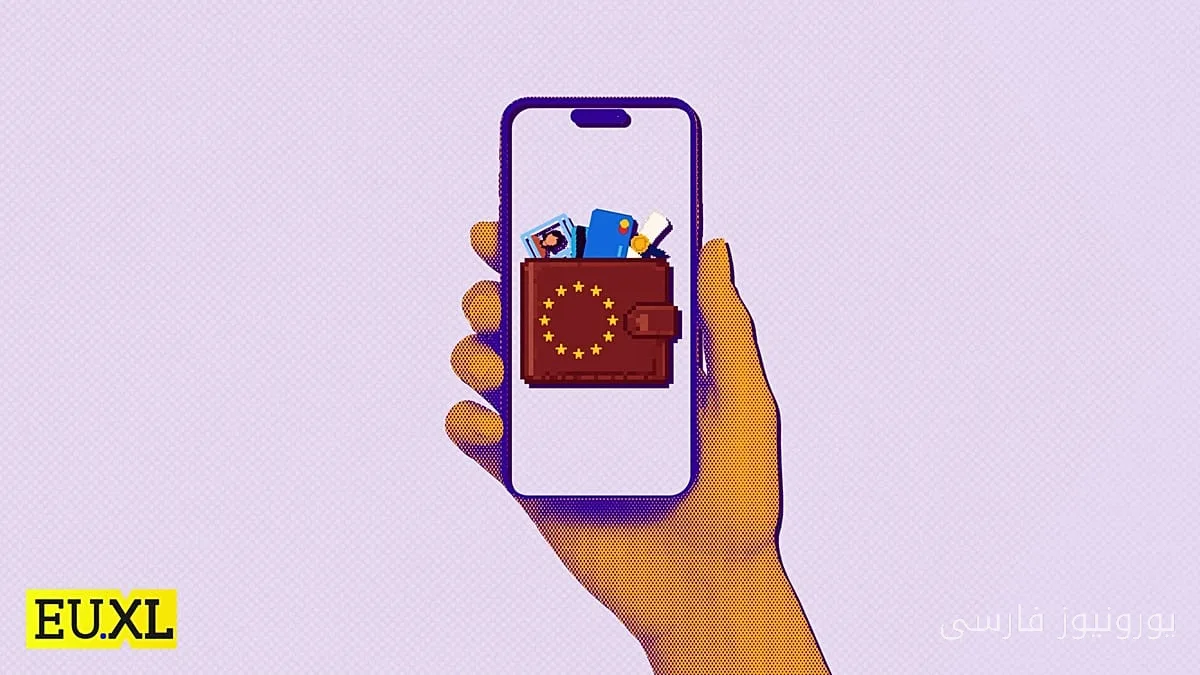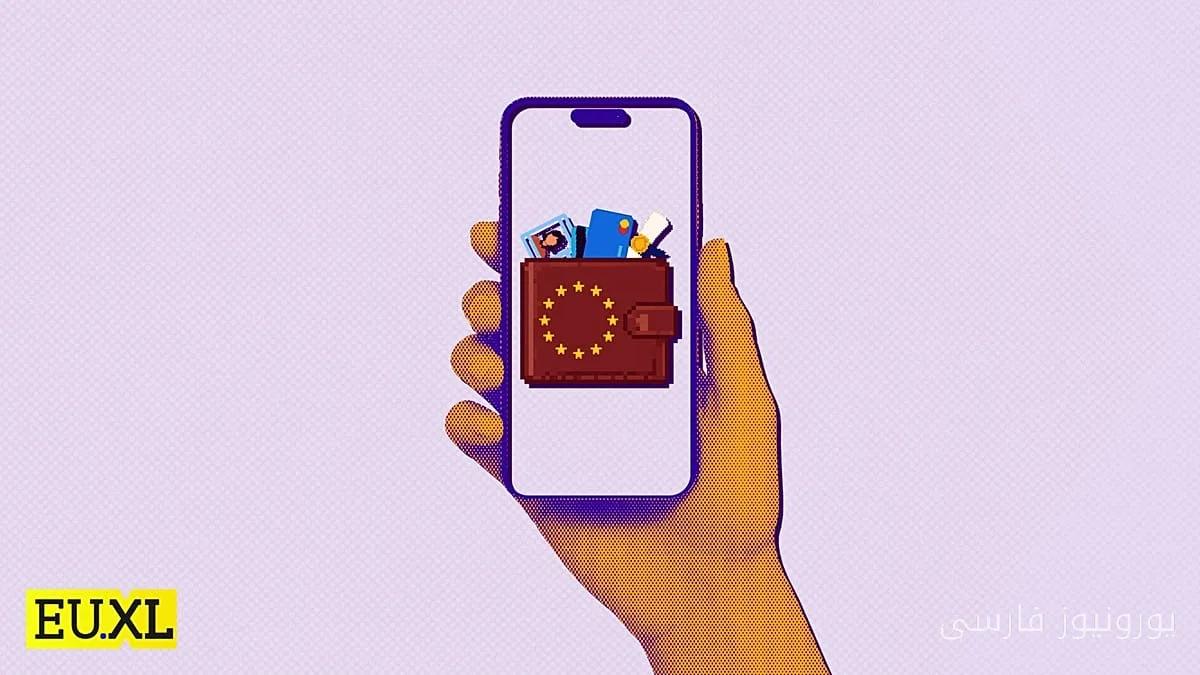
The European Union digital wallet, designed as an innovative tool to facilitate the daily interactions of European citizens, is currently facing challenges from member countries. The EU aims to have at least one valid digital wallet from each of the 27 member states by the end of 2026. However, reports indicate that 24 of these countries will not be able to meet this deadline.
Current Progress and Existing Challenges
Currently, EU-funded pilot projects in collaboration with 350 different organizations have successfully issued over 1,500 digital credentials and conducted more than 8,000 cross-border transactions. This free digital wallet can store national identification documents, driving licenses, educational certificates, health insurance information, and banking details. The tool benefits from three layers of protection, including selective disclosure, anonymity, and issuer independence.
Read more: IFA Berlin 2026: Introduction of Smart Devices and Connected Innovations
Uneven Development in Member Countries
The use of the digital wallet is optional, and paper documents remain valid. However, the development of this technology is occurring unevenly across different countries. Italy leads with nearly 8 million monthly users. In contrast, Germany plans to launch this wallet in January 2027, while the Netherlands has postponed its launch to late 2027 due to receiving only 57 users in initial trials. Bulgaria is still working on the legislation related to this technology.
According to new laws that will be passed, businesses will be required to accept this digital wallet by December 24, 2027. Meanwhile, banks must comply with these regulations starting July 2027 to align with anti-money laundering regulations. This comes as digital rights groups like EDRi have raised concerns about draft laws that may include facial recognition and reduce privacy protections.
Read more: Portuguese Researchers Explore Energy Storage Options in Underground Rocks · French and Slovak Veto Deepens EU Stalemate on Extending Sanctions Against Russia