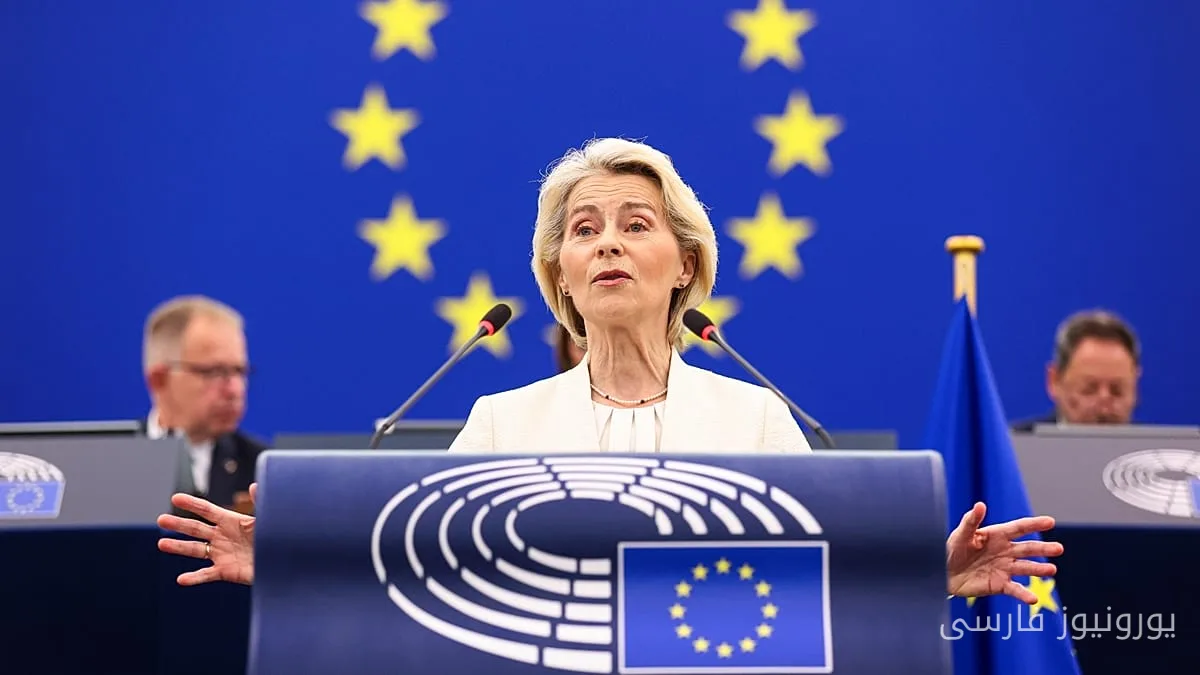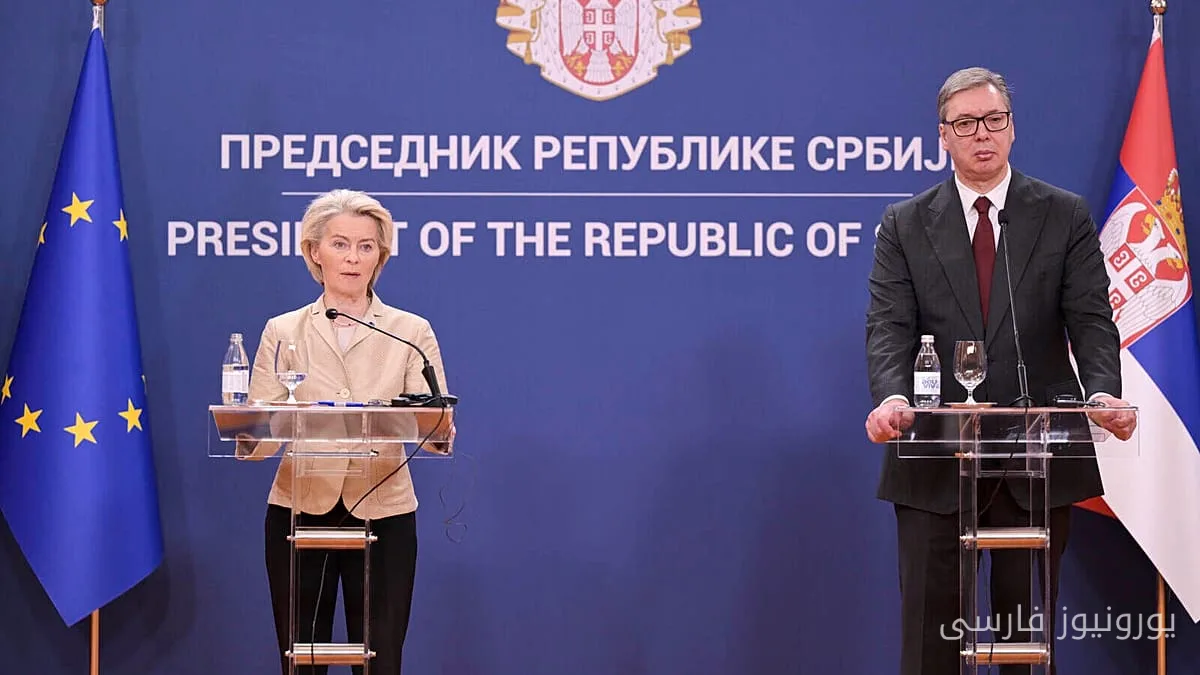
Ursula von der Leyen, President of the European Commission, reacted to the funeral of Ratko Mladić, one of the notorious war criminals, describing the event as a symbol of the pain and suffering caused by the Balkan wars. She expressed 'fear' about the effects of this ceremony on the peace and stability process in the region, emphasizing the need for accountability for war crimes.
Concerns about social and political consequences
Von der Leyen added in her remarks that Mladić's funeral could provoke racist and nationalist movements in Serbia and other countries. She emphasized that such ceremonies not only remind us of past crimes but can also lead to new divisions and tensions. This becomes particularly significant as Europe faces serious challenges regarding migration and internal security.
EU actions towards Serbia
While von der Leyen speaks of her 'fear', she also refrained from taking effective actions against Serbia due to this incident. This decision may be influenced by ongoing efforts to maintain diplomatic relations with Belgrade and facilitate Serbia's accession to the European Union. At the same time, von der Leyen warned that the EU cannot overlook war crimes and called for appropriate accountability.
Emphasizing the importance of justice and truth in the peace process in the Balkans is one of the central issues in the current policies of the European Union. For this reason, von der Leyen's remarks reflect deeper concerns about the state of human rights and justice in the region.
Impact on international relations
These reactions indicate international pressures and Europe's need to establish stability in the Balkans. Issues related to war crimes and human rights have always been one of the major challenges for the European Union. Currently, Europe must balance between ensuring security and upholding human values, and this has become one of the main concerns for European politicians.
Given these developments, Europe's approach to the issue of Serbia and Mladić could have profound impacts on the future of international relations as well as the internal security of European countries. This is particularly important for European citizens who are facing social and economic challenges.