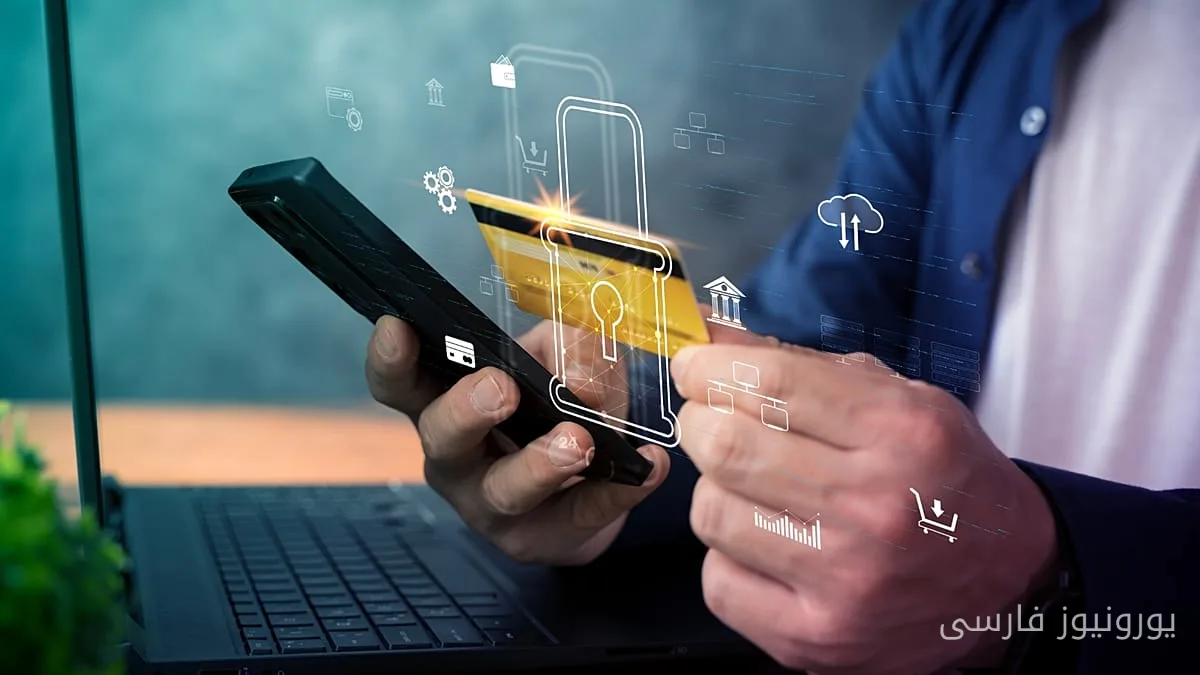
The EU Digital Identity Wallet is set to soon be available to citizens to facilitate the management of digital documents and provide greater control over personal data. This initiative is specifically designed to digitize public and private services and can serve as a comprehensive solution for managing digital identity in Europe.
How Does It Work?
The digital identity wallet allows users to securely store and manage their identification documents, certificates, and other important papers in one secure platform. With this wallet, citizens can easily access government and private services, reducing the need to present physical documents. This system stores data in an encrypted format, assuring users that their information remains solely in their control.
Read more: 3D Printing for Living on Mars: Scientific Experiments on the Path to the Future
Implications for European Citizens
With the increasing use of online services, the digital identity wallet can act as a key tool to facilitate citizens' daily interactions with government and the private sector. This initiative not only helps reduce inefficiencies in administrative processes but also leads to the creation of a safer environment for exchanging personal information.
As many countries move towards digitization, the EU Digital Identity Wallet can serve as a significant model for other nations as well. This initiative becomes even more important at times when data security and privacy have become major issues.
European citizens should be ready to embrace this new technology, as this digital wallet can significantly improve their daily quality of life. With the increasing number of online services and the need for greater transparency in information exchange, the digital identity wallet has become a fundamental necessity.
Read more: The Buzz About Battery-Powered Trains: Faster Journeys North with TransPennine Express