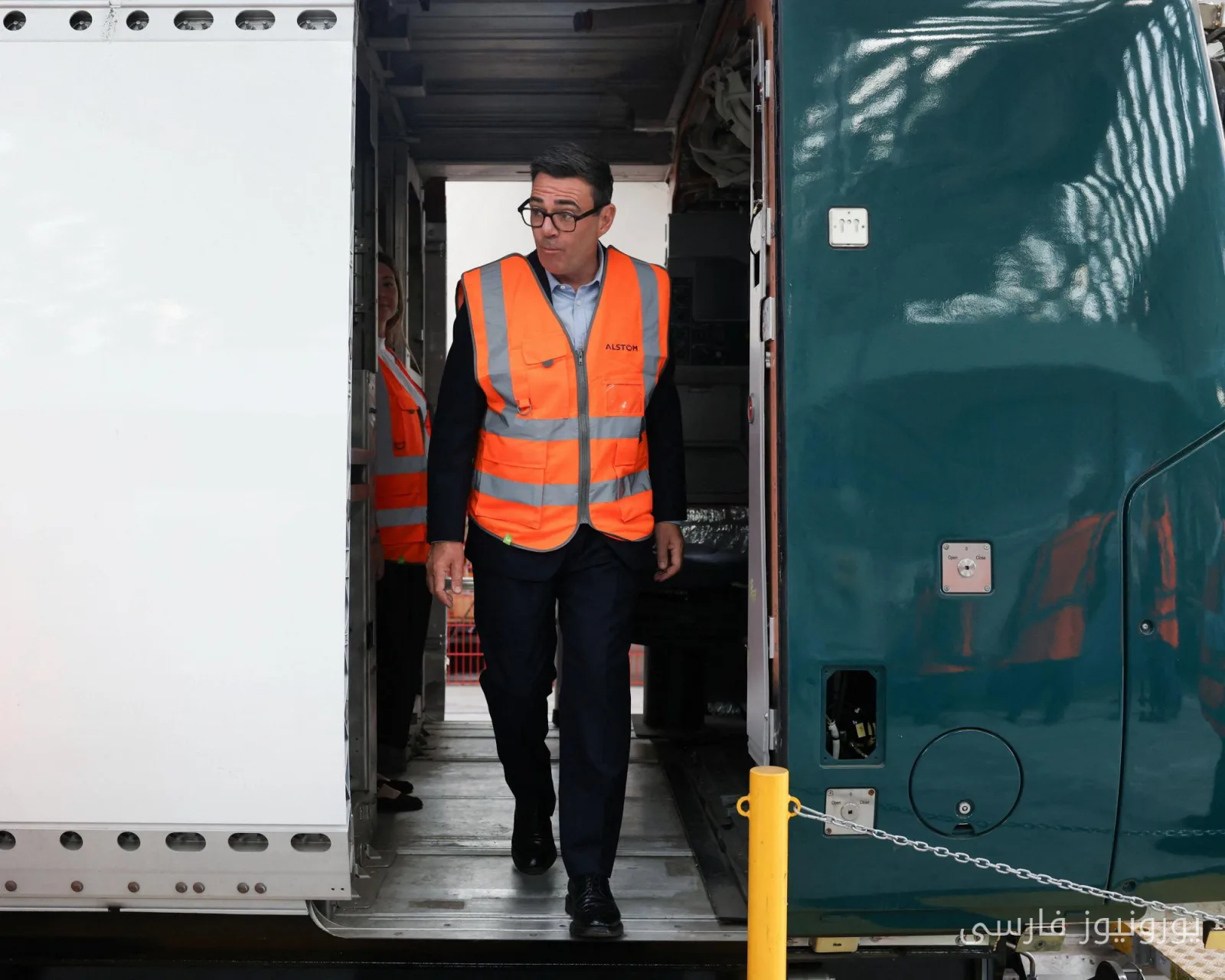
The UK government has recently announced the start of construction of a new fleet of battery trains that are set to provide faster and more reliable journeys to the north of the country. These 29 trains, which will operate under the management of TransPennine Express, will be built at the Alstom workshop located in Derby starting from 2028.
Job Opportunities and New Prospects
This project not only helps improve transport infrastructure but, according to government officials, could create 350 local jobs in Derby and also provide nearly 6,000 jobs at the national level. This initiative is part of the government's efforts to enhance public transport and increase the efficiency of the country's rail system.
Battery trains are recognized as a more sustainable and environmentally friendly option. This type of fleet helps reduce carbon emissions while also lowering operational costs. As the transport industry moves towards the use of renewable energy, this project is seen as an important step towards achieving the country's environmental goals.
Impact on Passenger Experience
With the arrival of these new trains, passengers will have a different travel experience. The government hopes that providing faster and more reliable services will attract more passengers to the rail system and consequently increase the use of public transport. These changes will not only benefit passengers but could also aid in the development of northern regions.
Given the government's promises, it seems that this project will not only be a success for the transport industry but also a victory for the environment and the local economy. Ultimately, with the construction of these new trains, traveling to the north of the country will become a faster, easier, and more sustainable experience.