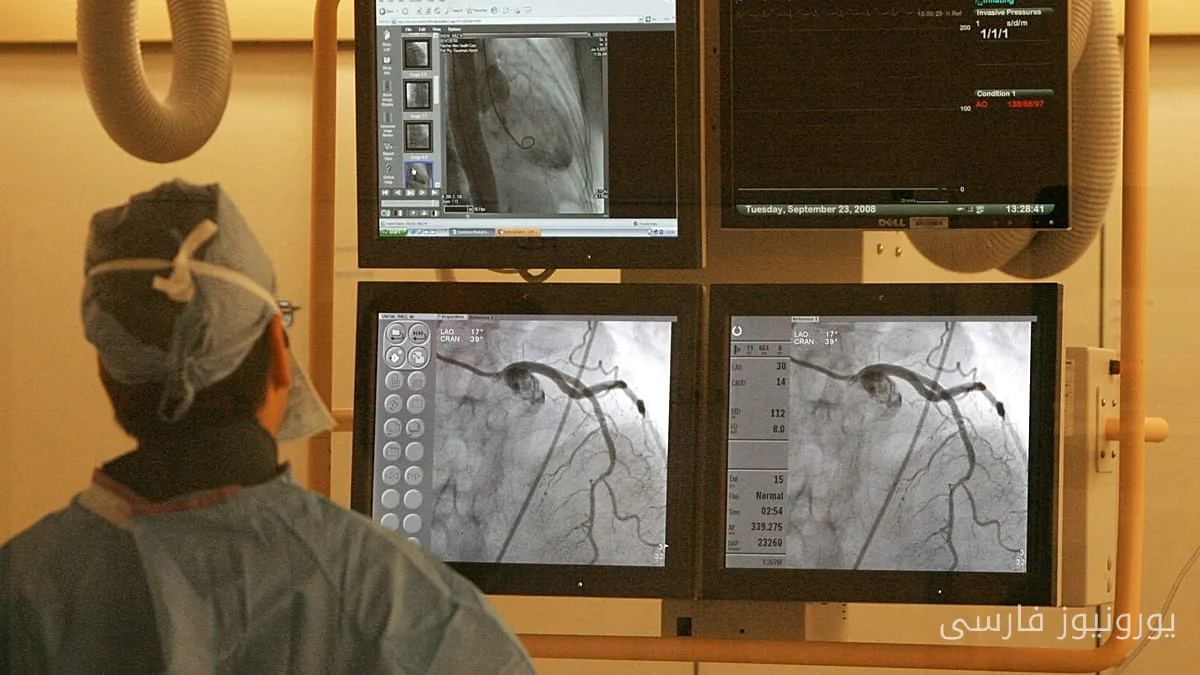
A decrease in temperature is considered one of the most important weather-related risk factors for heart attacks. Research published in the Journal of Public Health shows that each one degree Celsius drop in average temperature is associated with a 1.4% increase in the daily number of out-of-hospital heart attacks.
Winter Season Carries the Highest Risk
In seasonal comparisons, researchers found that nearly 18% more heart attacks occur in winter compared to summer. This research, which includes over 114,000 cases of national data, was conducted by Semmelweis University in Budapest in collaboration with the Budapest University of Technology and Economics and the National Ambulance Service of Hungary.
Read more: In which countries have governments legalized assisted dying?
Predicting Heart Attacks with Weather Data
According to this research, weather data can predict out-of-hospital heart attacks up to three days in advance. Researchers compared data related to heart attacks that occurred between November 2018 and December 2023 with daily weather indicators including temperature, wind speed, air pressure, humidity, and air quality. The findings indicate that not only sudden drops in temperature but also generally lower temperatures can be dangerous.
Rapid temperature changes, especially a daily drop of more than 5 degrees Celsius, can act as a warning sign in an early warning system. One key point of this research is that the effects of weather changes may not be immediately apparent, and the increase in out-of-hospital heart attacks may be observed up to three days after these changes.
Models based on weather predictions can help patients with heart conditions and their families prepare for more dangerous periods, as well as assist emergency services and hospitals in managing anticipated workloads.
Out-of-hospital cardiac arrests (OHCA) are one of the leading causes of death in developed countries. In Europe, between 67 to 170 cases occur per 100,000 people annually, with a survival rate of less than 10%. Identifying any factors that can predict an increase in cases can help emergency services be better prepared and also alert the public about the importance of prompt assistance and resuscitation.
Read more: Synchronizing workouts with the menstrual cycle: a novel method or a baseless myth? · NHS in the heat of summer: unprecedented record patient admissions in hospitals