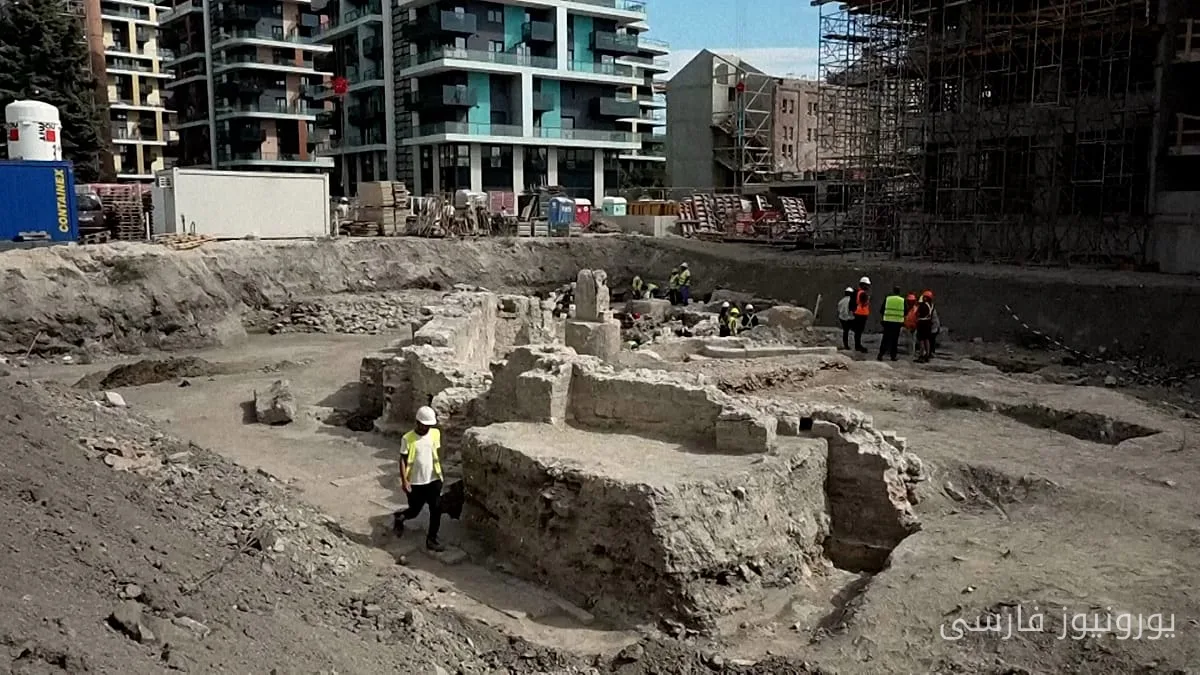
The discovery of a large Roman structure in Budapest has attracted the attention of archaeologists and historians. This structure, recently uncovered during archaeological excavations, its dimensions and design indicate its significance during the Roman era. Despite its large size and unique architectural features, the main purpose of this building remains a mystery.
Details of the Discovery and Features of the Structure
This massive structure is located in the center of Budapest and is considered a prime example of Roman architecture. Archaeologists have found through initial investigations that this structure may have been used as a public or administrative center, but there is no concrete evidence to determine its primary function. Additionally, the materials used in this building and its construction methods reflect the advanced techniques of the Romans at that time.
Read more: Renaming South Park to South America; a nod to Trump
Historical and Cultural Implications
This discovery is significant not only for historians and archaeologists but also for the citizens of Budapest and Europe. This building could provide new insights into the daily lives of the Romans and their impacts on local cultures. Given the rich history of the region, this discovery could help attract tourists and history enthusiasts, ultimately contributing to the cultural and economic development of the city.
Experts believe that further excavations in this area may lead to the discovery of more artifacts and objects that could enhance the understanding of Roman history and its influences on European cultures. With the growing interest in history and archaeology in Europe, this Roman structure may become an important site for research and visitation.
Read more: Isabelle Quickst gives a future to the defense of the analog world · Çanakkale: a link from the history of Troy to the vineyards of Bozcaada