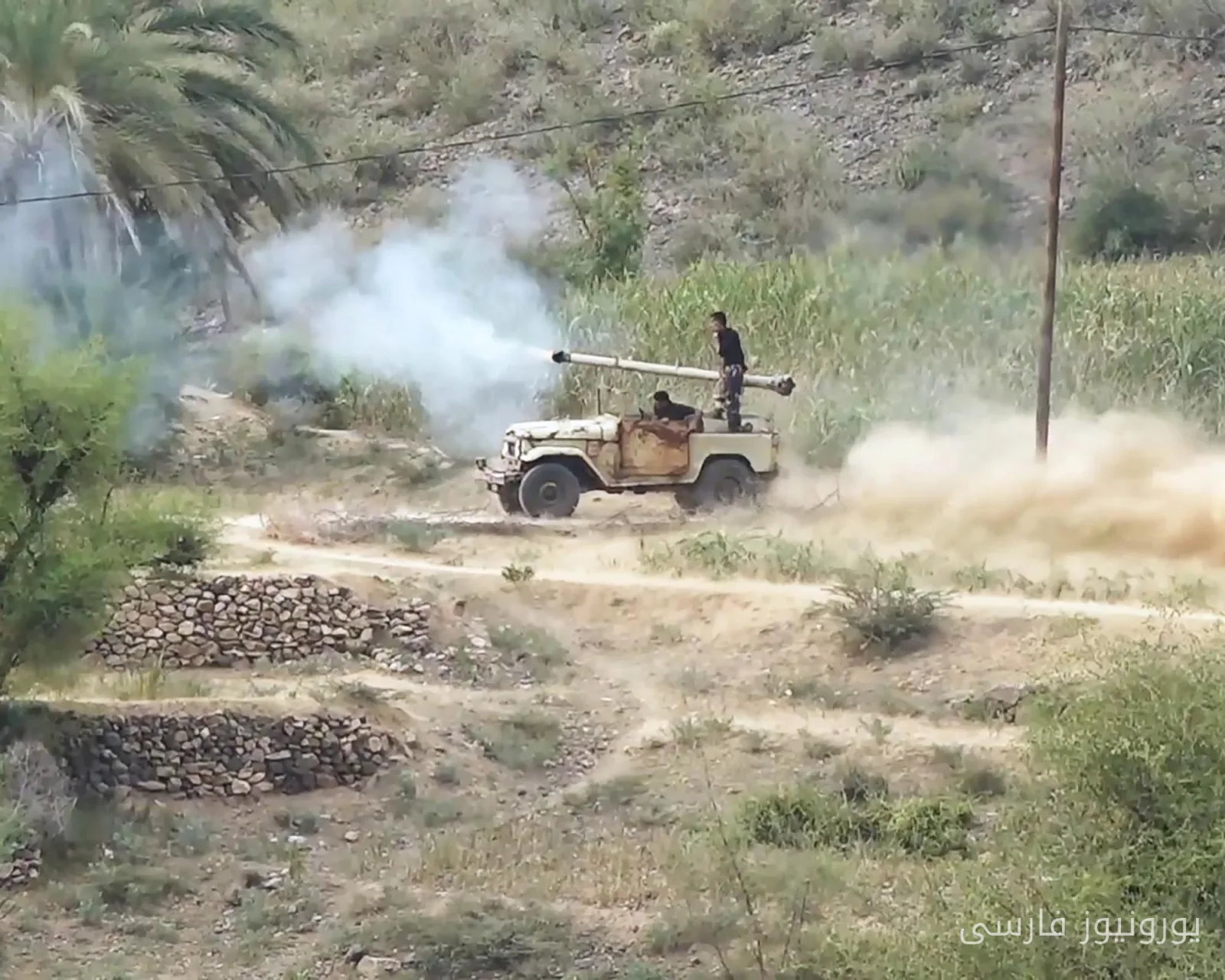
Yemen, a country that has been embroiled in war and internal conflicts for over a decade, has once again become the focal point of global crises. The recent conflicts in this country have not only affected the lives of millions but have also raised alarm bells for the international community. In this context, the role of the United States and Iran in creating and escalating tensions has raised profound questions about the future of this region and its implications for the world.
Why is Yemen Important?
Yemen, as one of the most significant strategic points in the world, holds extraordinary importance due to its geographical location near the Bab el-Mandeb Strait, which is one of the most crucial oil transit routes in the world. Any instability in this region can have deep impacts on the global oil market and energy security. This situation is not only related to Yemen but also to the entire Middle East and beyond.
Links to the U.S.-Iran War
The conflicts in Yemen are indirectly linked to the proxy war between the United States and Iran. Iran is recognized as a supporter of the Houthi groups in Yemen, while the United States has been backing the Yemeni government and Arab coalitions. These tensions represent a larger battle for influence in the Middle East; a battle whose repercussions can quickly extend beyond Yemen's borders.
Given the rising violence and humanitarian crisis in Yemen, the international community, especially the United Nations, must take serious and immediate action. Ignoring this crisis will not only lead to increased instability in Yemen but could also escalate tensions on a global scale.
Ultimately, Yemen, as a pivotal point in international relations and humanitarian crises, requires serious attention and action from the world's powerful countries. Is the world ready to save Yemen and prevent another humanitarian disaster?