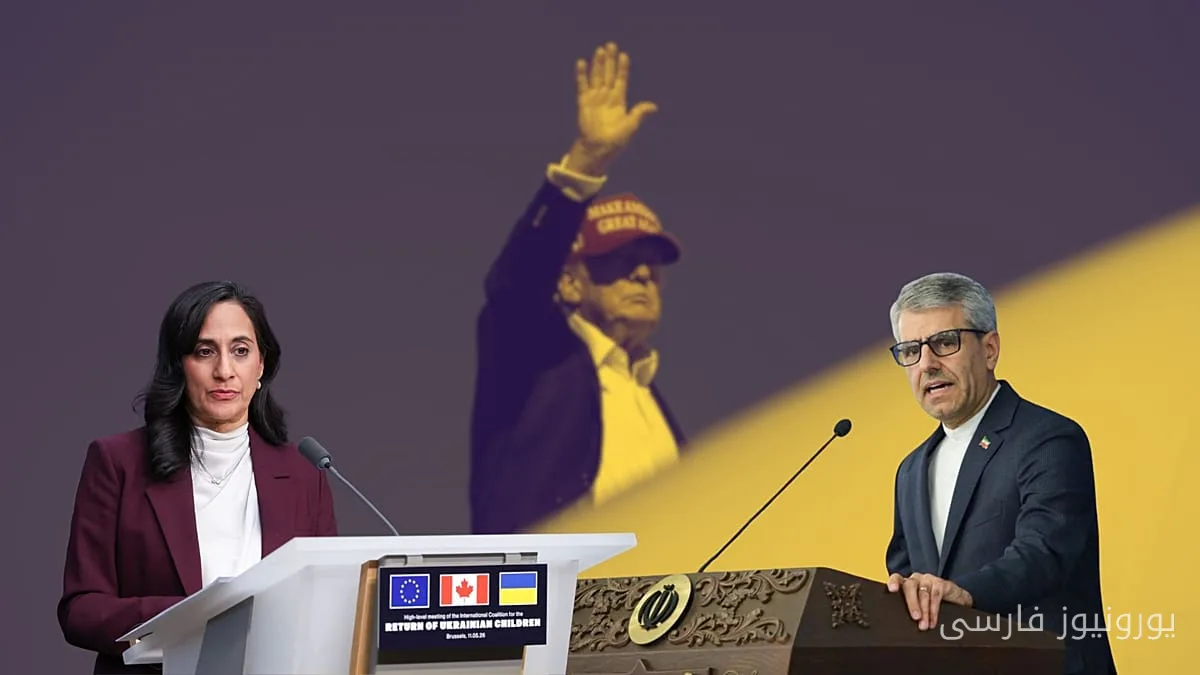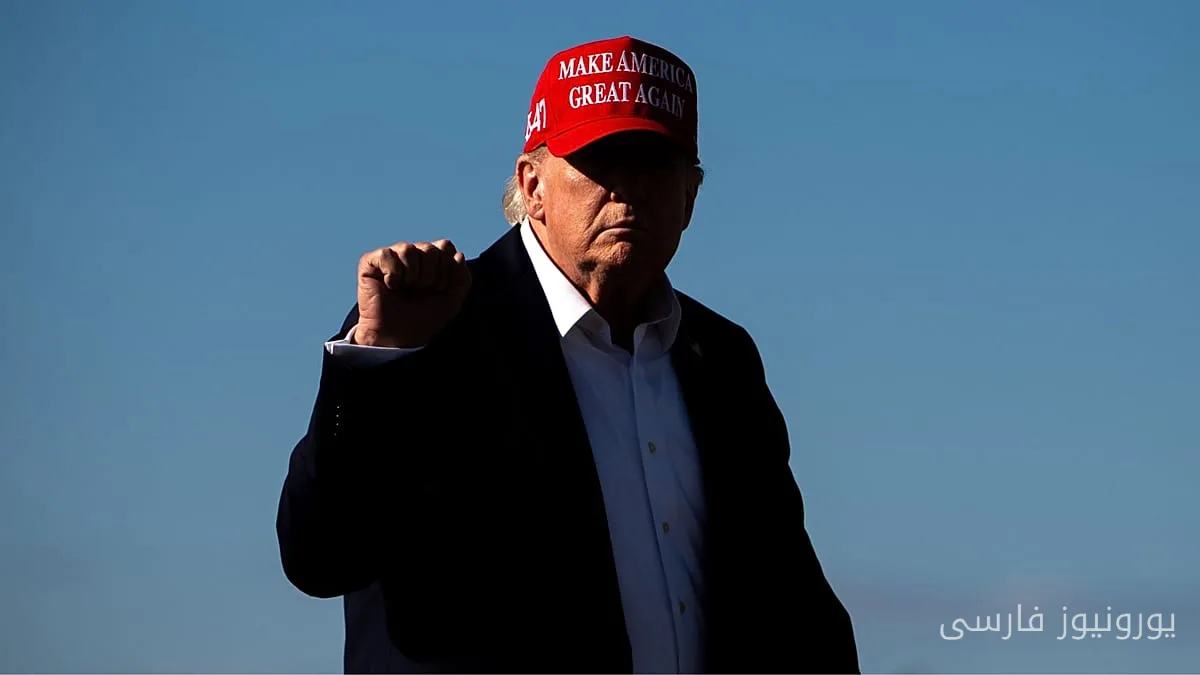
More than six months after the start of the war between the United States and Iran, tensions in the Strait of Hormuz continue over control of this strategic waterway. These clashes have caused serious disruptions in shipping traffic and, consequently, a renewed increase in oil prices. In this context, Donald Trump, the former President of the United States, made controversial statements declaring that with America's victory in this war, oil prices would drop significantly.
Oil and the Strait of Hormuz; A Vital Choke Point
The Strait of Hormuz, through which about one-third of the world's oil passes, is recognized as one of the vital choke points for global trade. Any disruption in this waterway could have severe repercussions for the global oil market. Currently, with ongoing tensions and clashes in this region, oil prices are significantly affected, and forecasts for the future of this market remain uncertain.
Trump pointed out in his remarks that the United States is currently at war with Iran and expects that with a positive outcome of this war, economic conditions will improve and oil prices will return to their previous levels. Although these statements may seem unacceptable to many analysts, they reflect the warlike spirit and hope for control of the situation by American policymakers.
Impacts on the Global Oil Market
Financial institutions and economic experts are currently closely monitoring the developments of this war. Victory or defeat in this war could directly impact global oil prices as well as energy security worldwide. Given that many countries around the world are dependent on Persian Gulf oil, any change in oil prices could have widespread economic and political repercussions.
Ultimately, Trump's statements about lowering oil prices in the event of America's victory in the war with Iran not only reflect an uncertain future for the oil market but also highlight the geopolitical and economic complexities in this tense era.