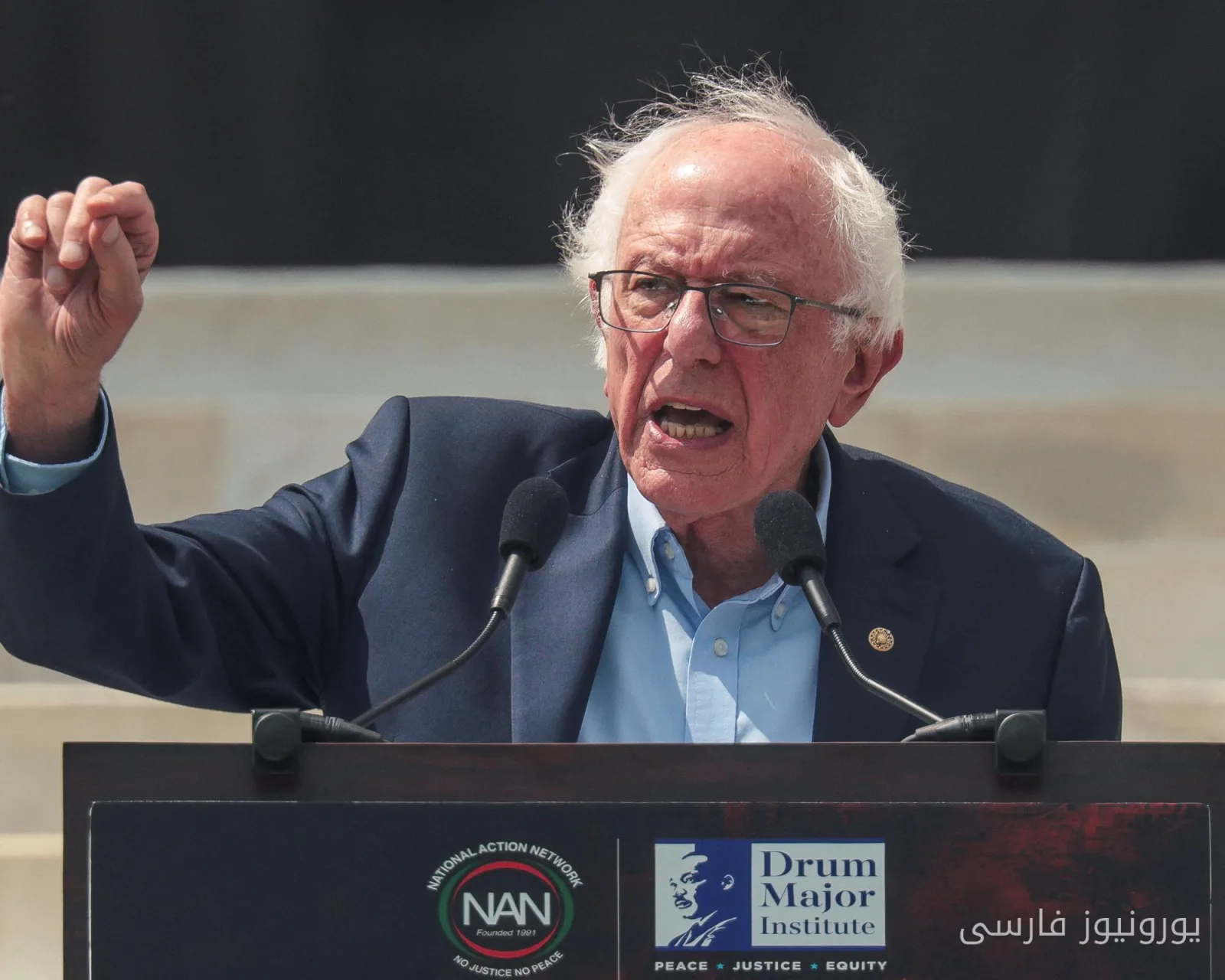
In a controversial statement, former President of the United States, Donald Trump, told reporters that the ongoing tensions between the United States and Iran will quickly come to an end following the midterm elections in November. This claim not only raises many questions about the reasons behind this prediction but also indicates a complex political game in the realm of U.S. foreign policy.
Analysis of Electoral Consequences
With these remarks, Trump seems to suggest that his policies towards Iran are somewhat dependent on the election results. Is he trying to encourage voters to support him with this promise, or does he genuinely have a plan to reduce tensions? These questions arise as many analysts believe that U.S. foreign policies are influenced by domestic elections and this approach can change rapidly.
Trump's statements come at a time when tensions in the Middle East, particularly in U.S.-Iran relations, have reached a peak. Cyberattacks, economic sanctions, and sharp remarks from officials of both countries have created a tense atmosphere that Trump now wants to turn into an electoral tool.
The Future of U.S.-Iran Relations
Although Trump claims that tensions will end after the midterm elections, the existing realities in the international arena and U.S. domestic policies could impact this prediction. If the Democratic Party wins, will this promise come true, or should we expect a new round of tensions?
In any case, Trump's remarks reflect a clever political game that could have serious consequences for U.S. foreign policies as well as U.S.-Iran relations. The continuation of these tensions and the upcoming situation are clearly taking shape, and it remains to be seen whether these electoral promises will materialize or just be an electoral slogan.