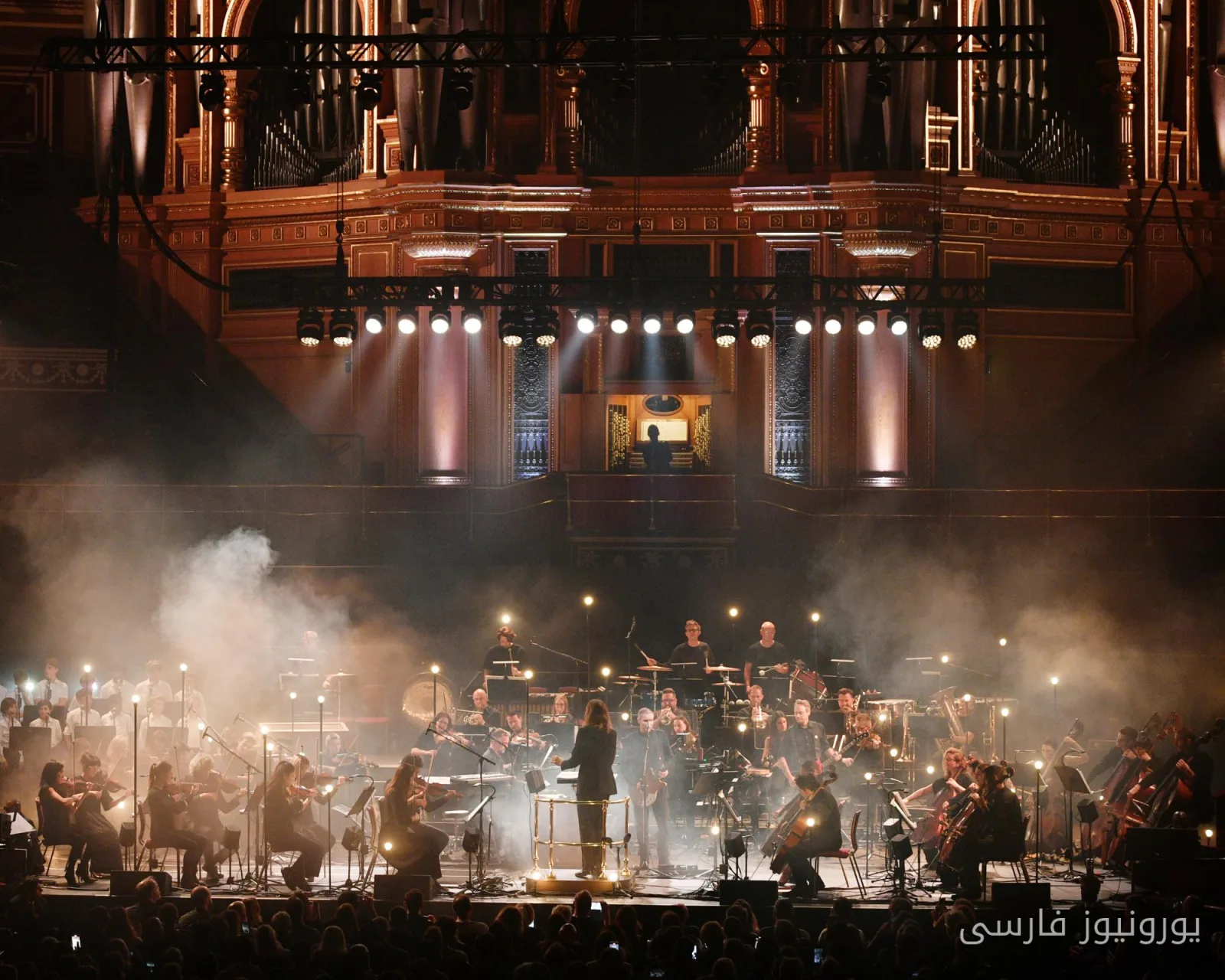
Classical music, this noble art that was once accessible to everyone, has now become an exclusive stage for the wealthy. While discussions of diversity and inclusion are prevalent these days, the reality is that those who cannot afford it find it difficult to participate in this space.
Memories from the Early Days
I remember that in my childhood, coming from a working-class family, I managed to obtain an instrument with great difficulty at a public school and learned to play using city music services. I would even borrow a violin from my friends to play. But now, this path has become incredibly difficult.
Musical instruments and educational classes with exorbitant prices, along with the lack of support for young and talented artists, have led many of them to abandon their pursuits in this field. Can we really expect classical music, which was once recognized as an art for everyone, to now belong only to the wealthy?
Challenges in the World of Music
Classical music requires more support and attention for young artists, especially from the working class. While this industry continuously talks about diversity and inclusion, we must remember that these discussions will only be meaningful when they impact the realities of the lives of working-class artists.
As a society that values culture and art, we must strive to create conditions for young artists. Currently, only those who receive financial support can remain in this beautiful world. Can we truly accept that art and culture be confined to closed and affluent doors?