Maritime transport, as the main artery of trade in Europe, has long played a vital role in supplying food, fuel, and various goods. However, this year, with the occurrence of political crises and disruptions caused by wars, especially in the Middle East, attention to the ports of this continent has increased more than ever.
Leading Ports in Cargo Transport
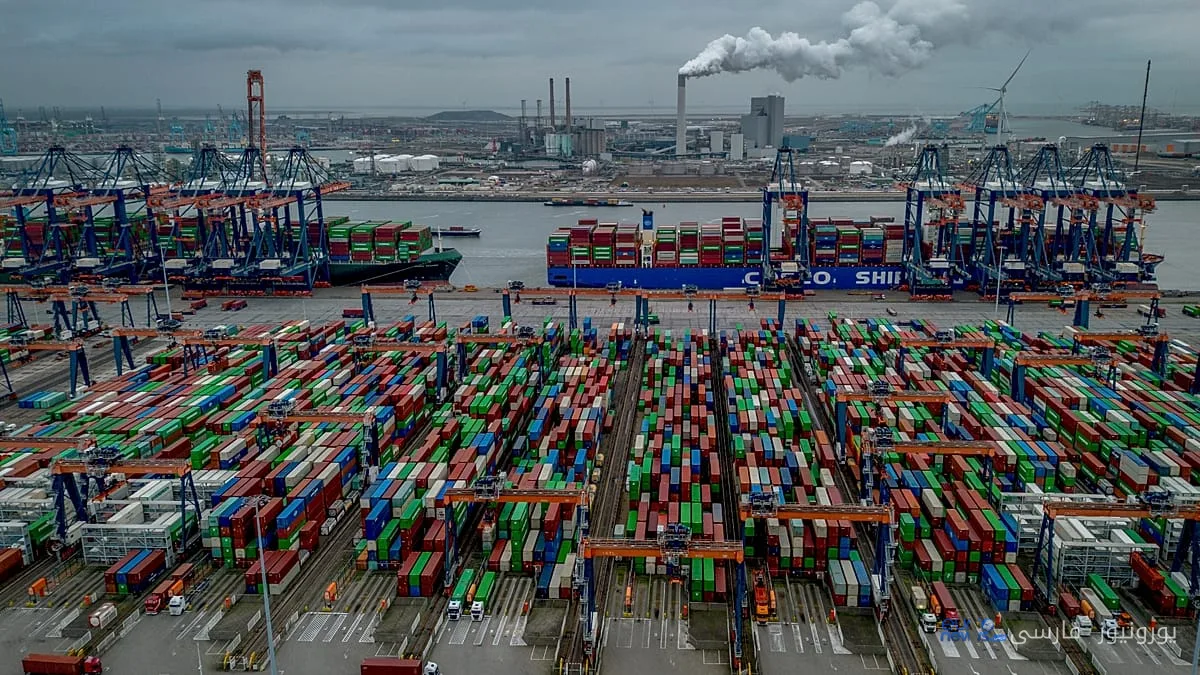
The busiest ports in Europe typically include cities known for their high volume of cargo transport. The Port of Rotterdam in the Netherlands, with a cargo handling capacity of about ۴۷۰ million tons per year, is recognized as the largest port in Europe and one of the largest ports in the world. This port acts as a gateway for the entry of goods into the European continent and is connected to other parts of Europe through an extensive network of waterways and land routes.
The Port of Antwerp in Belgium, also recognized as the second largest port in Europe, handles nearly ۲۴۰ million tons and plays an important role in international trade. This port is particularly renowned for the transport of chemical and oil products and is recognized as one of the main centers of demand for these goods in Europe.
New Challenges and Global Impacts
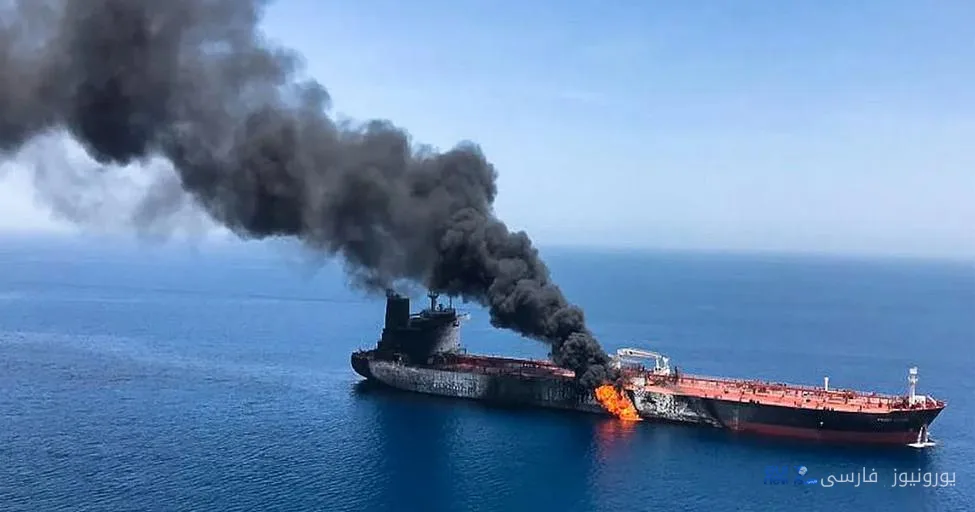
However, in light of recent developments on the global stage, European ports are facing new challenges. Wars and political tensions in various parts of the world, especially in the Middle East, have caused disruptions in supply chains and cargo transport. This situation has not only led to increased transportation costs but has also had profound effects on the domestic markets of European countries.
On the other hand, environmental crises and climate change have also put pressure on ports. The need to comply with environmental standards and reduce pollutants has forced ports to seek innovative solutions to continue trade while also helping to preserve the environment.
Therefore, while European ports act as vital arteries of trade, the new challenges they face could impact their future. Will European ports be able to confront these challenges and remain as key centers of global trade?