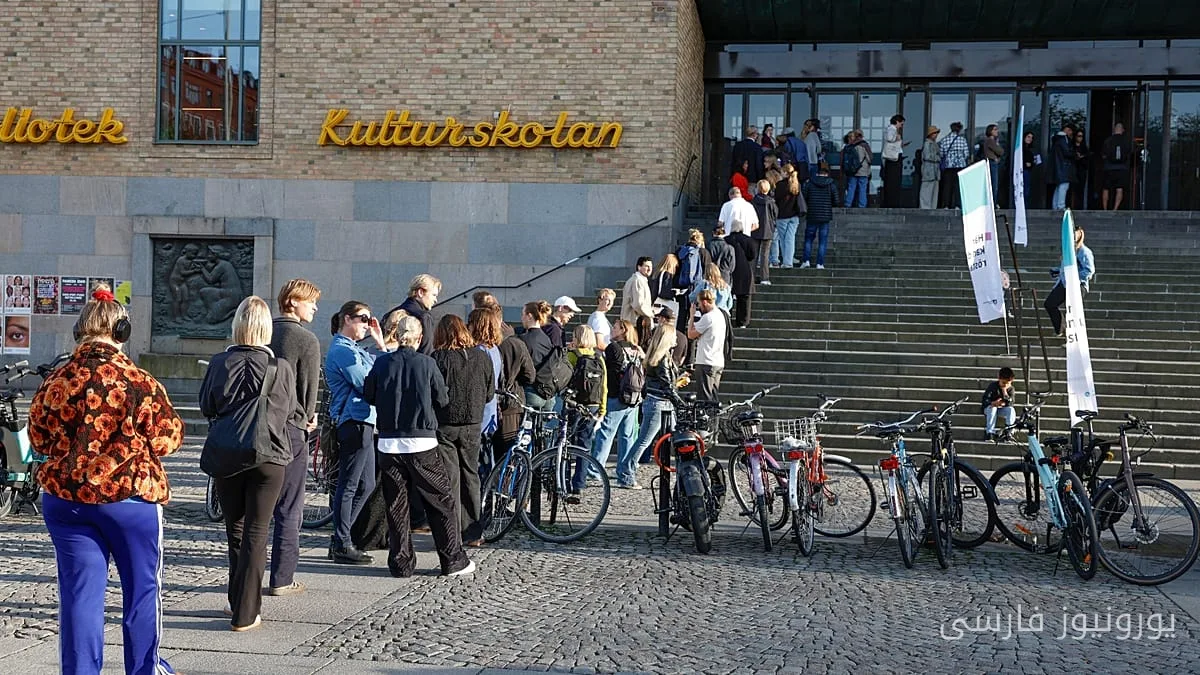
Sweden is on the verge of holding a sensitive election that could mark a turning point in the political history of this country. The far right, which is rapidly on the rise, seems to be using this election as an opportunity for greater influence and to achieve its goals.
New Political Trends
In recent years, Sweden has faced many social and economic challenges. Increased immigration and cultural changes have led to tensions in society, which benefit far-right parties. These parties are trying to attract voters with appealing promises and controversial slogans.
The elections are taking place at a time when many Swedes are concerned about the economic situation and social security. These concerns have led to increased support for far-right parties, placing them in a position where they may achieve a historic victory.
Challenges and Consequences
A victory for the far right in this election could have widespread implications for Sweden's domestic and foreign policies. Right-wing parties typically have strict approaches to immigration and social policies, which could impact Sweden's multicultural society.
Many political analysts believe that if the far right succeeds in gaining a majority, Sweden must prepare for fundamental changes. These changes will not only affect domestic policies but may also impact Sweden's relations with other European countries.
As the election date approaches, Swedes are evaluating their options, and this election could determine the future political fate of the country.