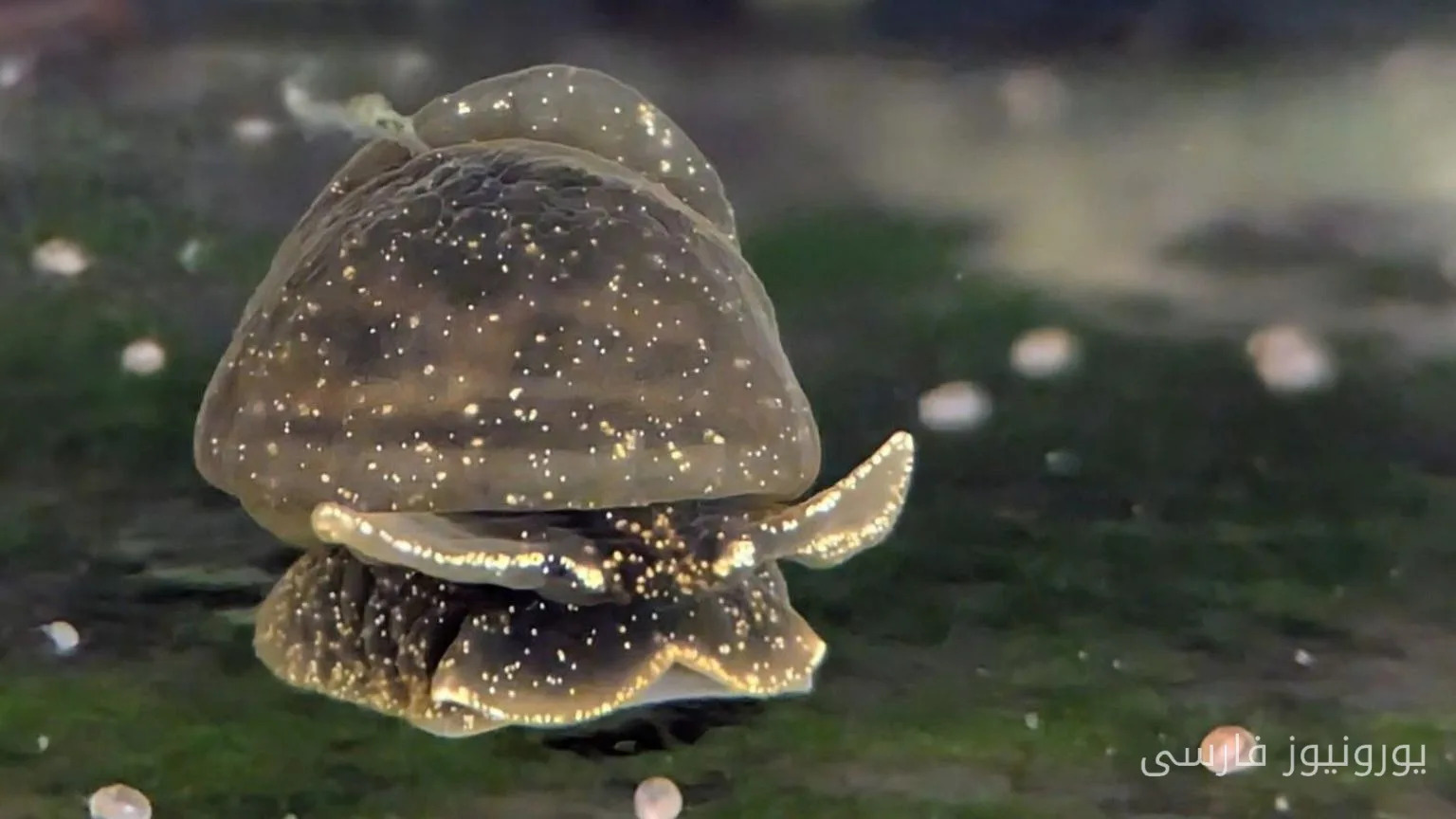
The sticky snail, a soft-bodied and lovable creature that was once abundant throughout Britain, has now reached a critical point and survives only in one lake in Wales. This small creature is not only a symbol of biodiversity but is also recognized as one of the indicators of the health of aquatic ecosystems.
From Abundance to Extinction
In the past, the sticky snail lived in many lakes and rivers across Britain and formed an important part of the local food chain. However, over time and due to human factors such as pollution, climate change, and habitat destruction, the population of this creature has drastically declined and is now found only in one lake in Wales.
This situation is not only concerning but also serves as a warning for other animal and plant species. Saving this sticky snail has become an urgent priority for researchers and environmental activists. Conservation programs for this species are being developed and implemented in hopes of saving this creature from the brink of extinction.
Conservation Efforts and Future Outlook
Experts believe that preserving this snail is not just about saving a single species, but also involves maintaining the ecosystem of the lake and its surroundings. Conservation efforts include monitoring water quality, restoring habitats, and educating the local community about the importance of this creature. In fact, rescuing the sticky snail requires a collective effort that engages all stakeholders.
While the future of this creature is uncertain, there is hope that with continuous efforts and community collaboration, this species can be preserved and its role in the natural ecosystem can be revitalized. Perhaps one day we will return and not only see the sticky snail in Lake Wales but also witness its resurgence in other parts of Britain.