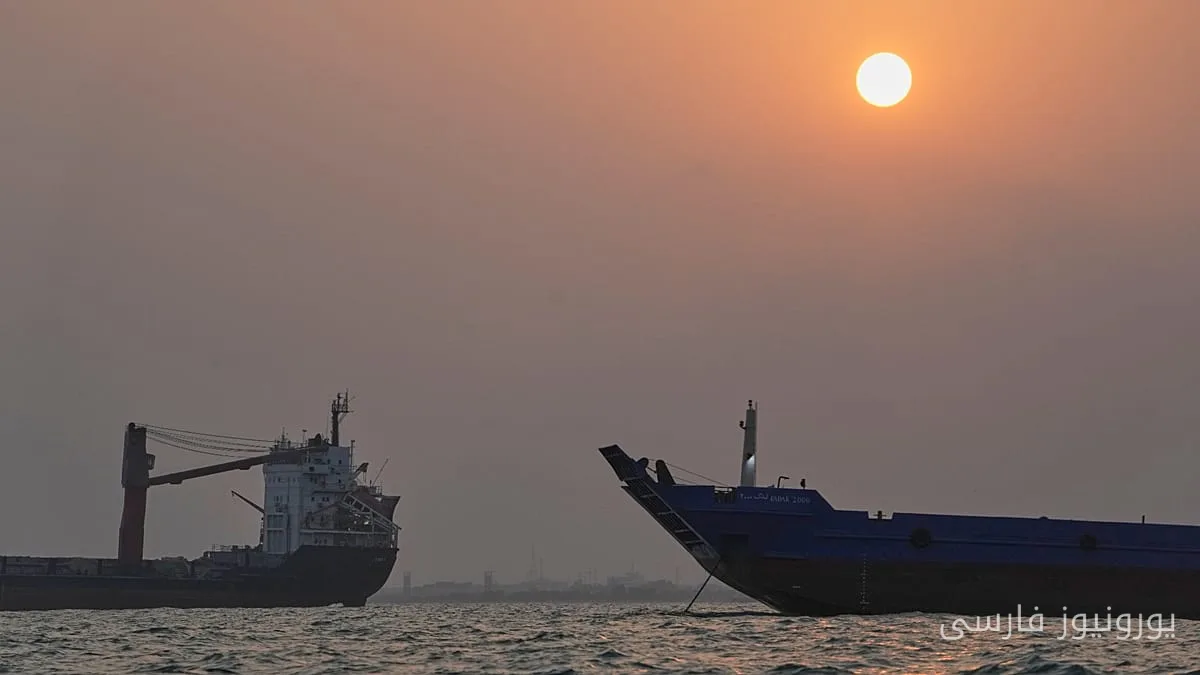
The price of Brent oil has once again surpassed the $۱۰۰ mark, and this price increase has occurred following the escalation of military conflicts between the US and Iran and recent developments in the Strait of Hormuz. Tehran's missile attack on Jordan and the destruction of five Iranian oil tankers by US forces are considered the main factors of this crisis, raising global concerns.
Factors Influencing Oil Price Increase
These days, the oil market is influenced by multiple factors. The escalation of tensions between the two countries, especially in the sensitive waters of the Strait of Hormuz, which is considered one of the most important oil transit routes in the world, has played a significant role in oil price fluctuations. Given that Iran has threatened to respond to any military action, there is a possibility that the crisis may escalate rapidly.
Moreover, analysts believe that this situation could lead to an increase in energy costs globally. Major oil companies are currently examining the impact of these conflicts on global markets and oil supply. As a result, consuming countries must also be prepared to face rising prices.
Global Consequences and Future of the Oil Market
Considering the current situation, it seems that oil prices will remain influenced by these tensions in the coming months. Oil-producing countries, especially in the Middle East, must pay closer attention to international developments to prevent sudden market fluctuations. This situation will not only affect oil prices but will also impact the global economy and may lead to economic crises in countries dependent on oil imports.
Ultimately, given the ongoing tensions, the oil market must be closely monitored. The increase in oil prices could mean a return to the tumultuous days of the past, days when there was at least no sign of stability and calm in the oil market.