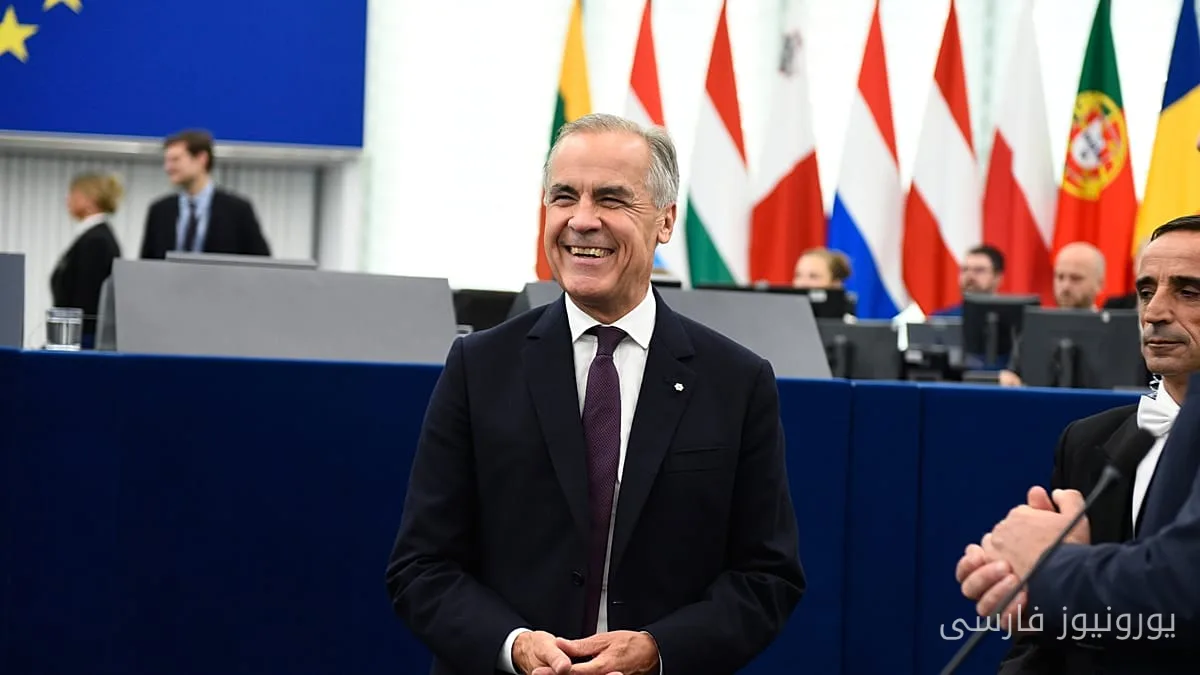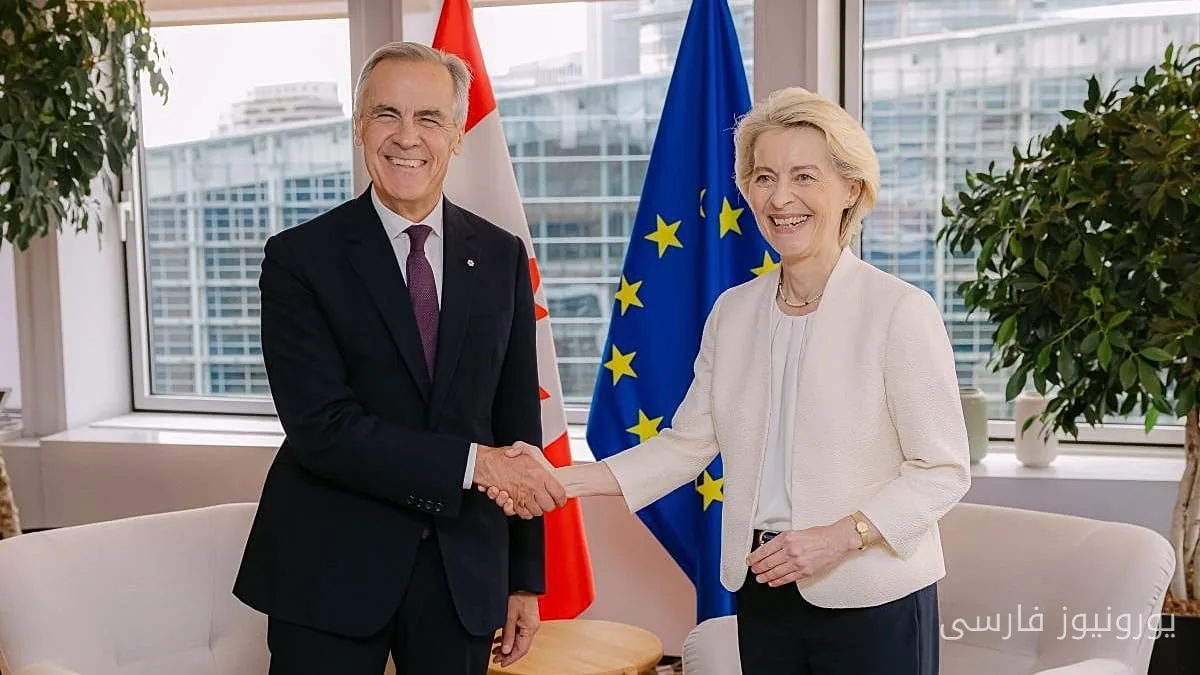
Negotiations between Ottawa and Brussels regarding Canada's participation in the "Erasmus Plus" program are underway. Under this scheme, Canadian and European students will be allowed to study at each other's universities. Canada and the European Union's relations have rarely been this close in recent years. The aggressive trade policy and unstable foreign policy of Donald Trump's second administration prompted Mark Carney, Canada's Prime Minister, to further strengthen Ottawa's relations with the European Union.
Ursula von der Leyen's Invitation to Canada
Ursula von der Leyen, President of the European Commission, invited Canada on Wednesday, September 16 (September 25, 1405 in the Persian calendar), to become the first "associated member" of the European Union; an unprecedented arrangement that does not imply full membership. The details of this new status are still unclear; however, discussions have begun for Canada to join several EU programs, including the student exchange scheme "Erasmus Plus," which has long been seen as one of the most tangible benefits of European integration.
Read more: Ursula von der Leyen Will Deliver an Inspiring Message for 450 Million Europeans
Canada Joining the Erasmus Plus Program
If this plan materializes, Canada will be the first non-European country to join this exchange program. This program covers the costs of education and training for individuals and organizations abroad. Javier Moreno Sanchez, a Spanish Member of the European Parliament from the Social Democrats and head of the EU Parliamentary Delegation for Canada, told reporters at a press conference on Tuesday: "Canadians want to participate in Erasmus Plus. This program will be costly for them, but they are ready to do it."
According to informed sources and information obtained, these negotiations are still in the early stages, but there is serious will on both sides of the Atlantic for Canada to join one of Europe's most successful projects. Canada is currently considered a "partner country" in the Erasmus Plus program, not an "associated country." This status means that Canadian universities and institutions can participate in some Erasmus Plus actions depending on specific eligibility criteria and conditions of each scheme.
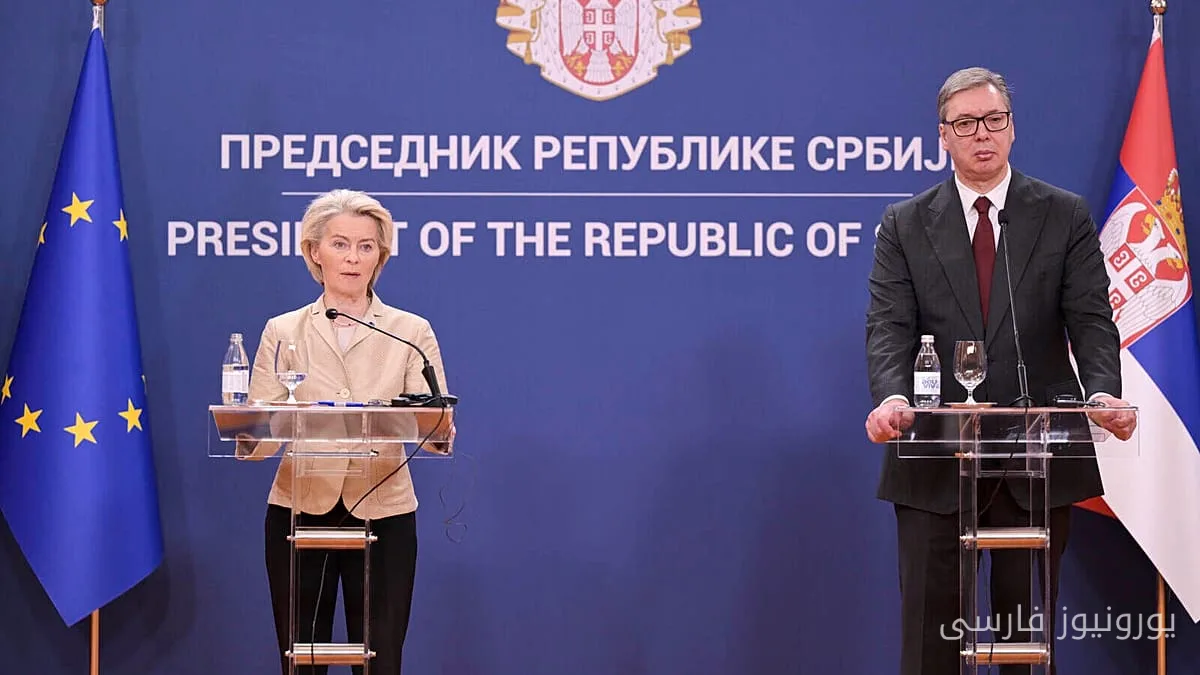
In addition to EU member countries, there are currently six non-member countries—North Macedonia, Serbia, Iceland, Liechtenstein, Norway, and Turkey—participating in this program. If an agreement is reached, Canada is expected to join this group under a similar arrangement.
Mr. Moreno welcomed this move and said that strengthening relations with Canada could bring tangible benefits to ordinary people. He also suggested that an agreement recognizing professional qualifications of architects on both sides be implemented for doctors, engineers, and university professors as well. Canada may also join another flagship EU program, "Horizon Europe," which funds research projects. Cooperation in this area is currently limited to sectors addressing global challenges and industrial competitiveness. Mr. Moreno stated: "Canadians are the most European people outside of Europe. If we do not strengthen our relations with Canada, then with which other country should we do so?"
Read more: Ursula von der Leyen Responds to Europe's Challenges in Her Annual Speech · Brando Benifei Emphasizes the Need for a Global Agreement on Artificial Intelligence