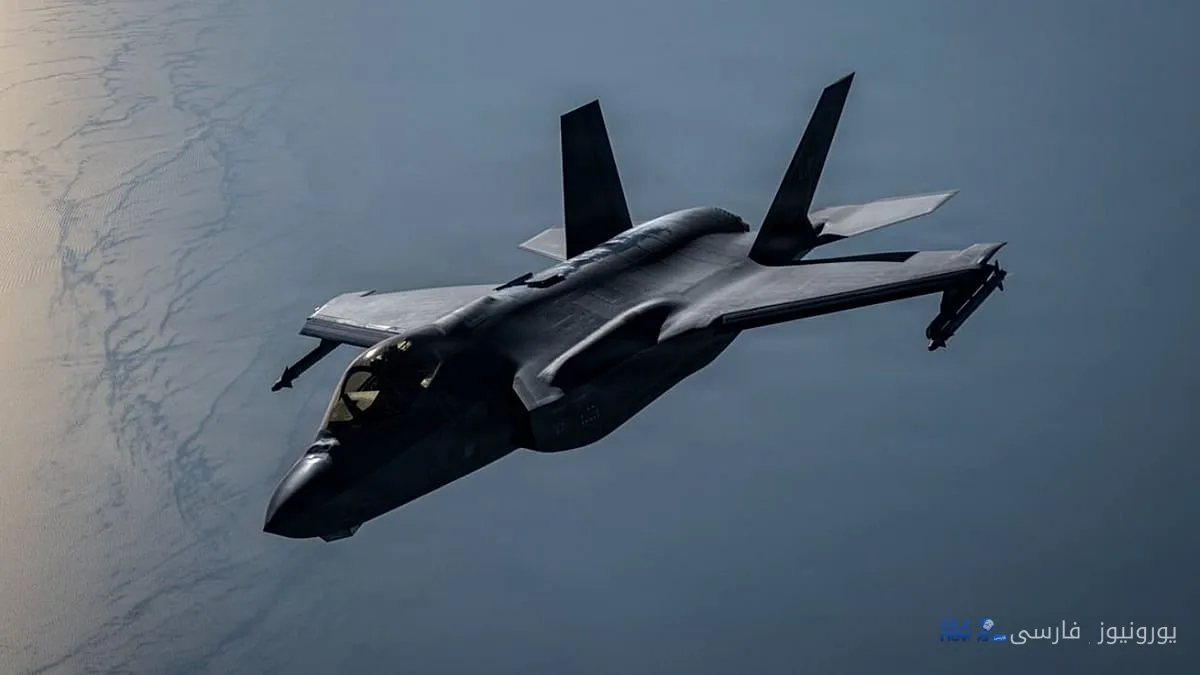
The Strait of Hormuz, one of the most important maritime corridors in the world, is currently witnessing escalating tensions between Iran and the United States. CENTCOM, the U.S. Central Command, in its latest statement, has reported the continuation of Iran's naval blockade, stating that this blockade is being carried out with utmost precision. This situation has once again drawn global attention to the strategic importance of this region and its potential consequences.
Claims of the Revolutionary Guard
In response to CENTCOM's actions, the Islamic Revolutionary Guard Corps has claimed that as a result of its operations, three oil tankers, including one belonging to Qatar, have been forced to change course. These claims come at a time when tensions in the Persian Gulf have sharply increased, and the intensity of these conflicts is escalating daily.
This situation clearly reflects the efforts of both sides to maintain influence and control in this strategic region. While the United States seeks to prevent the passage of Iranian vessels and impose economic pressure on Iran, the Islamic Republic is also attempting to defend its interests using military and political tools.
Potential Consequences
This protracted war in the Strait of Hormuz could have serious repercussions for global oil markets and maritime security. Given that a significant portion of oil exports to various countries passes through this strait, any escalation of tensions could lead to rising oil prices and instability in global markets.
Ultimately, the question arises whether these tensions could lead to a full-scale military conflict or if both sides will seek diplomatic solutions to reduce tensions. It seems that this issue will be of significant focus in the coming days.