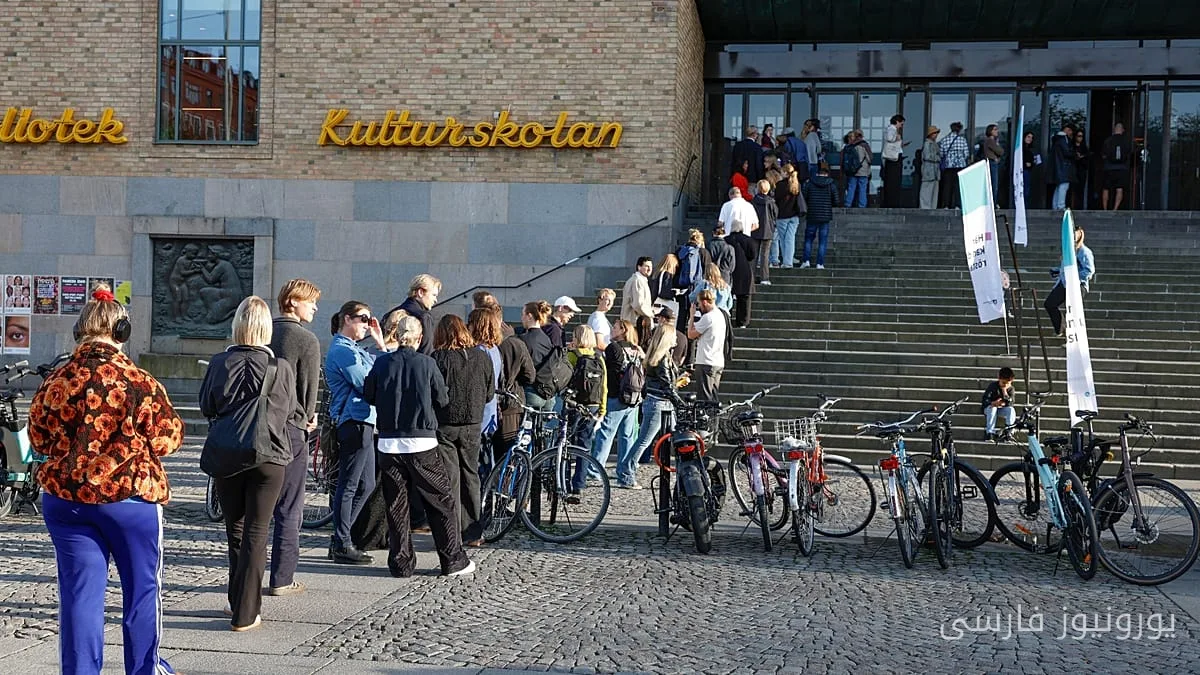
On a historic and passionate day, thousands across Germany took to the streets to protest against far-right extremism and racism. These demonstrations, held in several major cities including Berlin, Munich, and Hamburg, signify a nationwide uprising and the people's resolve to combat isolationist and racist tendencies.
Nationwide Gatherings; The Voice of the People
These gatherings were organized at the invitation of various social and civil groups, with participants holding placards bearing slogans such as "No to Racism" and "All Together," calling for an equal and discrimination-free society. According to eyewitnesses, these gatherings were not only in support of migrants and minorities but also emphasized human values and solidarity in general.
Protests against far-right extremists, who have gained more power in German politics in recent years, especially following increased social and economic tensions, have become a necessity. Many of the participants in these marches were young people and students who had joined these gatherings from all over the country.
Reactions and Consequences
These gatherings faced various reactions from officials and political parties. Some politicians supported these grassroots movements, viewing them as a sign of social awakening and the people's determination for change. Conversely, others criticized these gatherings, accusing them of inciting division and discord.
However, it seems that this grassroots movement will become an influential force in German politics following these gatherings. The people, united and with strong will, demonstrated their readiness to stand against any form of racism and extremism. This nationwide uprising clearly showed that Germany remains in search of a human identity and is committed to democratic values.