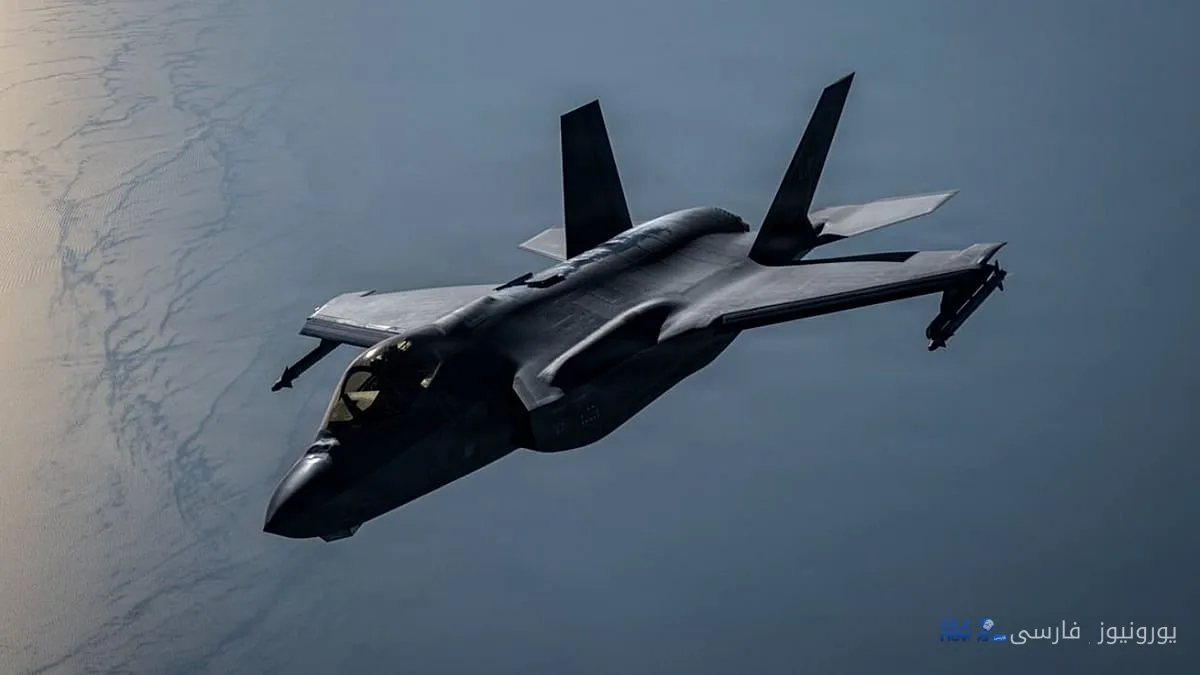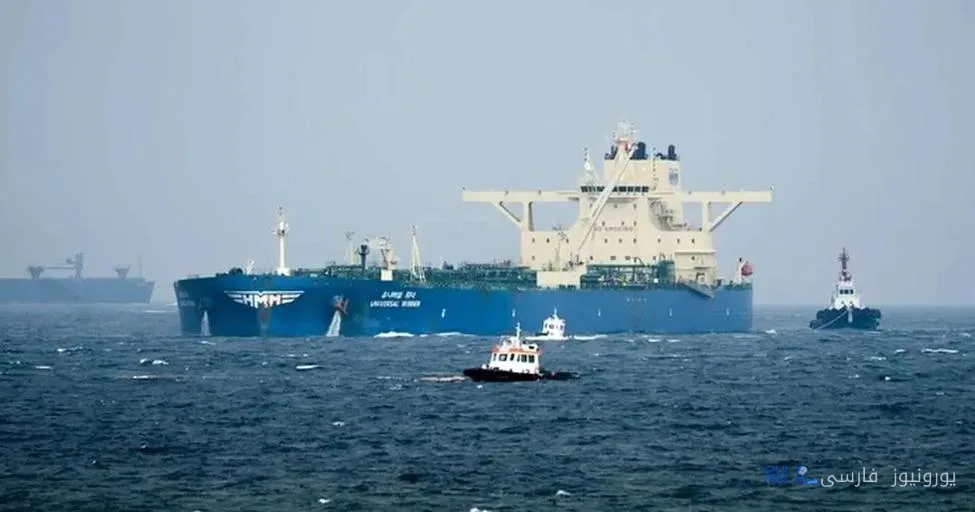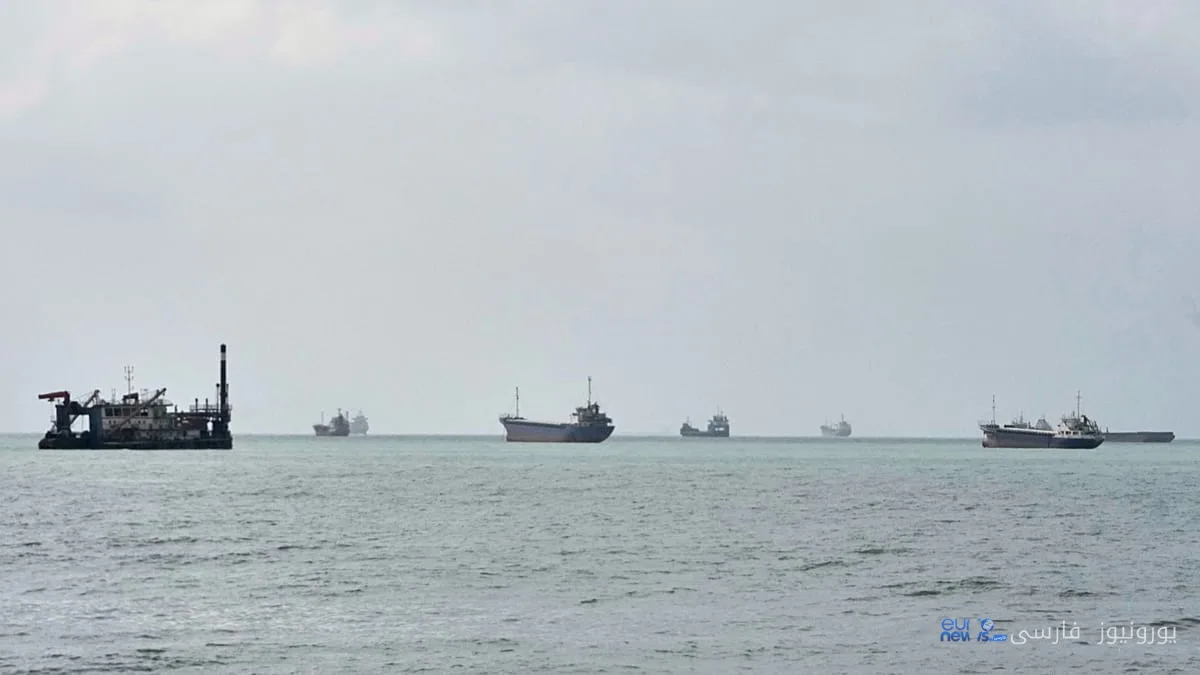
In a controversial development, Iranian forces targeted a maritime drone belonging to the U.S. military in the Strait of Hormuz. This action came amid escalating tensions between the two countries and after the U.S. military targeted three Iranian oil tankers due to ballistic missile attacks by the Islamic Revolutionary Guard Corps on two warships.
Escalation of Tensions in the Persian Gulf
These clashes occur as the Persian Gulf has become one of the critical points in the world due to the presence of U.S. military forces and Iranian military activities. In recent days, tensions have reached a peak, with both sides continuously responding to each other's threats and attacks.
Retaliatory attacks between Iran and the United States continue as both countries seek to demonstrate their military power against each other. Experts believe that such conflicts could lead to broader and unintended wars, the consequences of which would be very dangerous for the region and even the world.
Economic and Political Consequences
In addition to military repercussions, these tensions could have deeper impacts on global markets, especially in the oil and energy sectors. Increased insecurity in the Strait of Hormuz, which is one of the main routes for global oil transportation, could affect global energy prices and exacerbate economic concerns.
It seems that both countries are still looking for ways to reduce tensions, but given the current situation, the prospect of calm in this region appears to be out of reach. While both sides seek to protect their interests, the future of these conflicts remains uncertain and fraught with ambiguity.