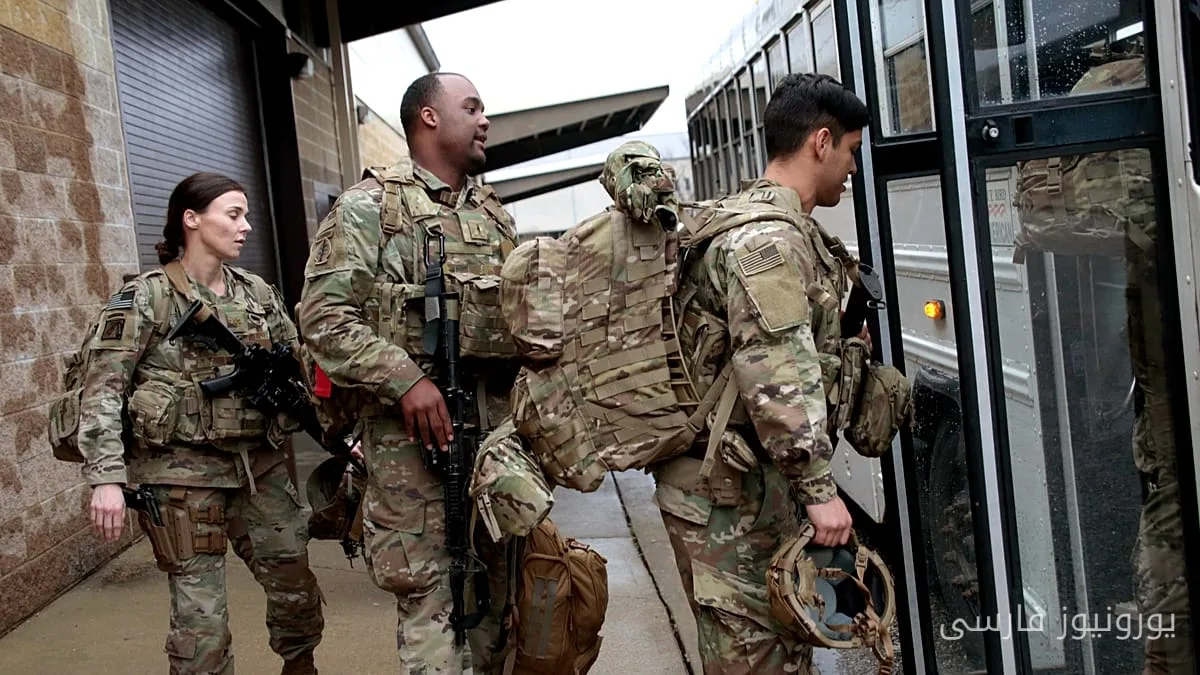
As tensions in the Middle East remain high, six sources familiar with the U.S. military and intelligence agencies have reported the commencement of unofficial negotiations regarding the reduction of U.S. troops and bases in the region. These negotiations have drawn attention, especially following recent developments and potential changes in U.S. government policies.
Why Now?
Some analysts believe that this decision may follow the end of the war with Iran and align with efforts to reduce military costs. The previous U.S. administration under Donald Trump consistently emphasized the need to seek a reduction of military presence in crisis-stricken areas. This shift in strategy could indicate a new approach in U.S. foreign policy that leads to de-escalation of tensions and the creation of new diplomatic opportunities.
Consequences and Reactions
Although these negotiations are in their early stages, they may have significant implications for international relations and regional security. A reduction of U.S. military presence in the Middle East could create a power vacuum in the region, prompting other actors to consider increasing their influence. This situation may benefit some countries while disadvantaging others, and for this reason, reactions to this news have already begun.
Overall, this change in U.S. military policy could be perceived as a warning sign for countries in the region and may impact their security doctrines. Meanwhile, it remains to be seen whether these negotiations will lead to a tangible outcome or will merely remain a matter of speculation and prediction.