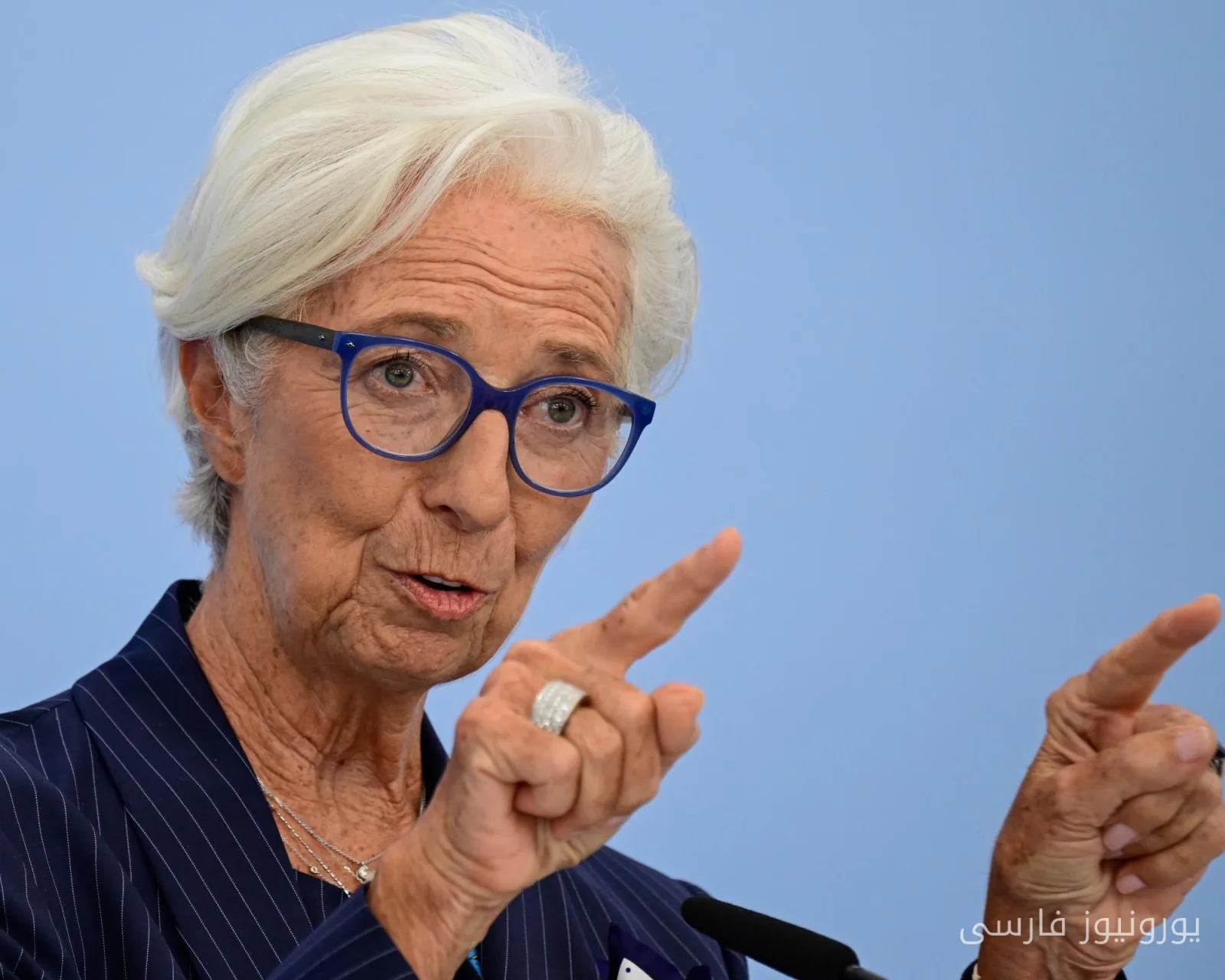
The European Central Bank (ECB) has recently raised interest rates to 2.5%, attributing this decision to growing concerns about inflation following the recent wars in the Middle East. As conflicts in the region continue to escalate, oil prices have reached nearly $105 per barrel, impacting the cost of living in Europe.
Economic Consequences of the War in the Middle East
The interest rate hike has been implemented to combat inflationary pressures, and the central bank has explicitly stated that the current situation could exacerbate inflation on the continent. Given the rising prices in the energy market, particularly for oil and gas, it appears that this crisis will soon affect all economic dimensions in Europe.
Recent wars and tensions in the Middle East, especially in the Strait of Hormuz, have led to a sharp increase in prices in global markets. Analysts believe that this situation could lead to an economic recession in Europe, as rising energy supply costs directly impact consumers' purchasing power.
Future Economic Outlook
The European Central Bank has stated that, considering the increasing military developments in the Middle East and their effects on global prices, inflation rates are expected to rise in the coming year. In this context, lowering interest rates or even keeping them steady does not seem to be viable options.
All these developments could serve as a warning sign for the European economy and should be closely monitored. While Europe is striving to recover from past economic crises, these wars could pose a serious challenge to the future of the continent.