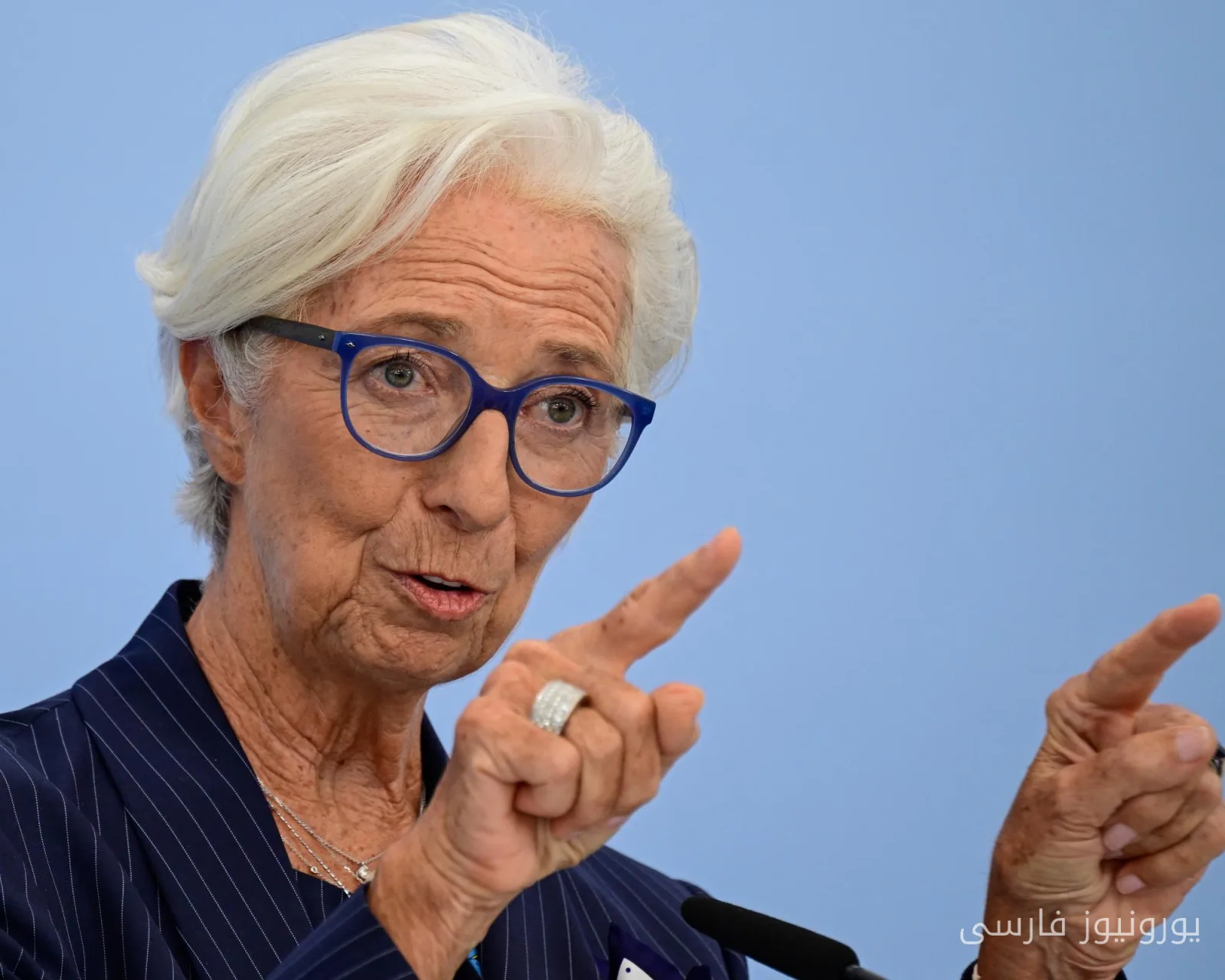
In a significant economic development, the European Central Bank (ECB) raised interest rates to 2.5% and warned of the increasing risks of inflation in the coming year. This action was taken in response to the escalation of conflicts in the Middle East and its effects on the global energy market.
Impact of War on Oil Market
With rising tensions and reciprocal attacks between the United States and Iran in the Strait of Hormuz, oil prices have surged significantly, reaching over $105 per barrel. This price increase has severely impacted the European economy and heightened concerns about an economic recession.
The European Central Bank has stated that this interest rate hike is aimed at controlling inflation and preventing an increase in borrowing costs in the Eurozone. Economic experts believe that the ongoing tensions in the Middle East could lead to rising prices in global markets, ultimately becoming the biggest economic challenge for European countries.
Uncertain Economic Outlook
While many analysts predict that energy prices will continue to rise with the ongoing conflicts, the European Central Bank emphasizes that immediate actions must be taken to manage inflation. These challenges will affect not only the European economy but also the stability of global markets.
Given the interest rate increase and concerns about the onset of an economic crisis, the economic future of the Eurozone will be significantly impacted, and it remains to be seen how economic leaders will respond to this situation.