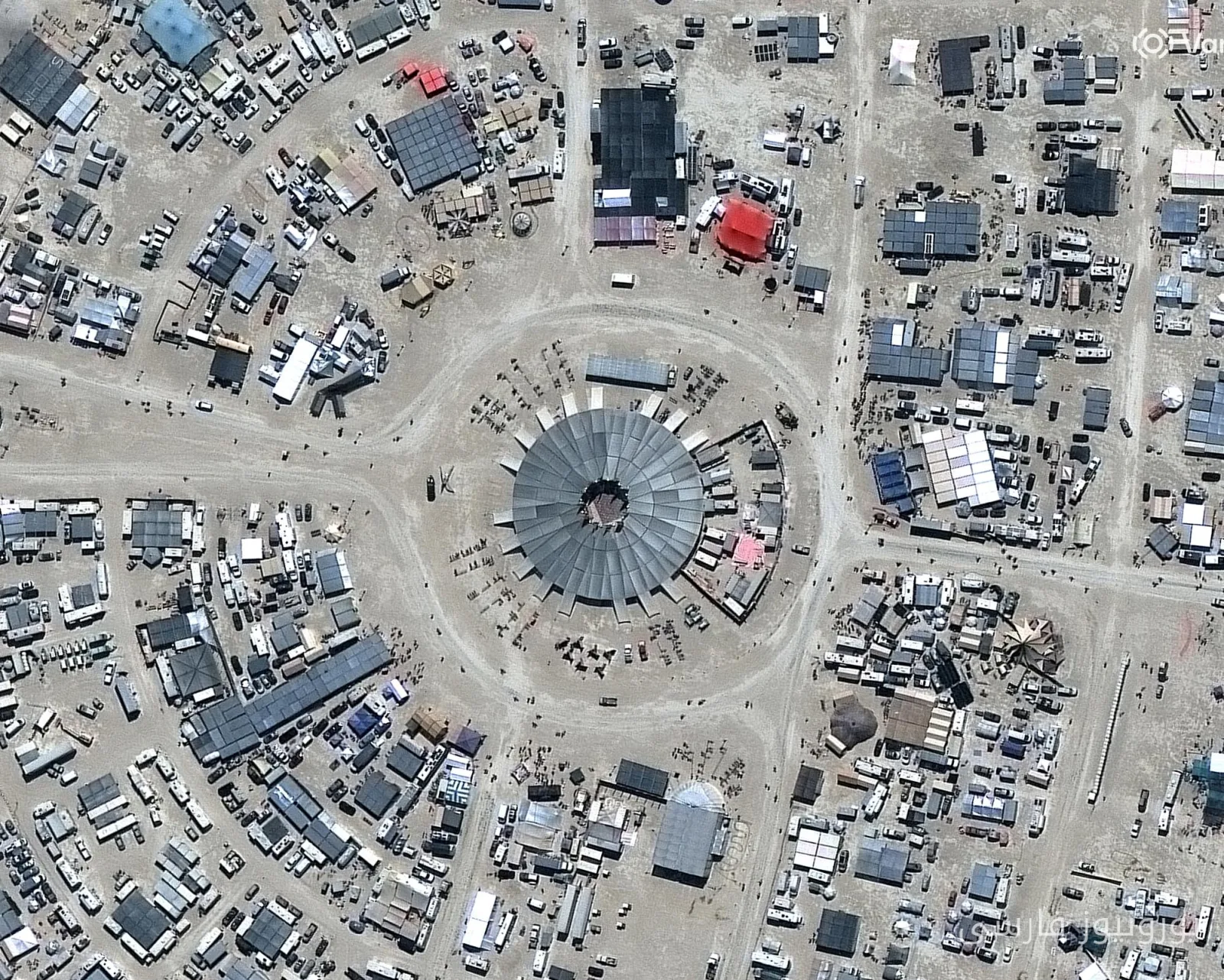
The Burning Man festival, which draws thousands to the Nevada desert each year, faced a bitter and unexpected incident this year. Three men over the age of 50 lost their lives at the event, leading to a significant rise in the death toll. This issue has not only heightened concerns about the safety of the festival but also raised serious questions about the demographic and cultural changes among participants.
Mortality Among Older Participants
Interestingly, in recent years, the average age of participants at Burning Man has significantly increased. While in the past, young people under 30 made up the majority, we are now seeing more individuals in their forties and fifties attending. This demographic shift could lead to increased risks and new challenges.
It seems that Burning Man, known as a festival of freedom and creativity, is facing new challenges. In the harsh desert conditions and high temperatures, participants are not only dealing with physical problems but also with mental and psychological pressures. These changes in the age of participants may mean a need for changes in the festival's safety and health approaches.
The Future of the Festival: Is a Reevaluation Needed?
Given that Burning Man is recognized as a unique and distinct experience in the world of festivals, is it time for the organizers of this event to consider fundamental changes? Should there be more attention paid to the safety and health of participants, especially older individuals? These questions are not only occupying the minds of many participants but could also lead to more serious discussions within the festival community.
In any case, Burning Man is a festival where the boundaries of creativity and freedom are broken, but can we maintain these boundaries without regard for the health and safety of participants? This challenge will impact the future of Burning Man.