In a concerning development, fuel prices at gas stations in Germany have sharply risen due to escalating tensions in the Bab-el-Mandeb Strait. This strait, which is considered one of the most important shipping routes in the world, has recently witnessed military clashes and political tensions that have quickly spilled over into global fuel markets.
Why is the Bab-el-Mandeb Strait Important?
The Bab-el-Mandeb Strait serves as a key gateway for the transportation of oil and gas, playing a vital role in supplying energy to European countries. With rising tensions in this region, many analysts have warned of increasing fuel prices and their impact on the German economy. In recent months, fluctuations in global oil prices have affected domestic markets as well, and this situation has exacerbated price increases following regional tensions.
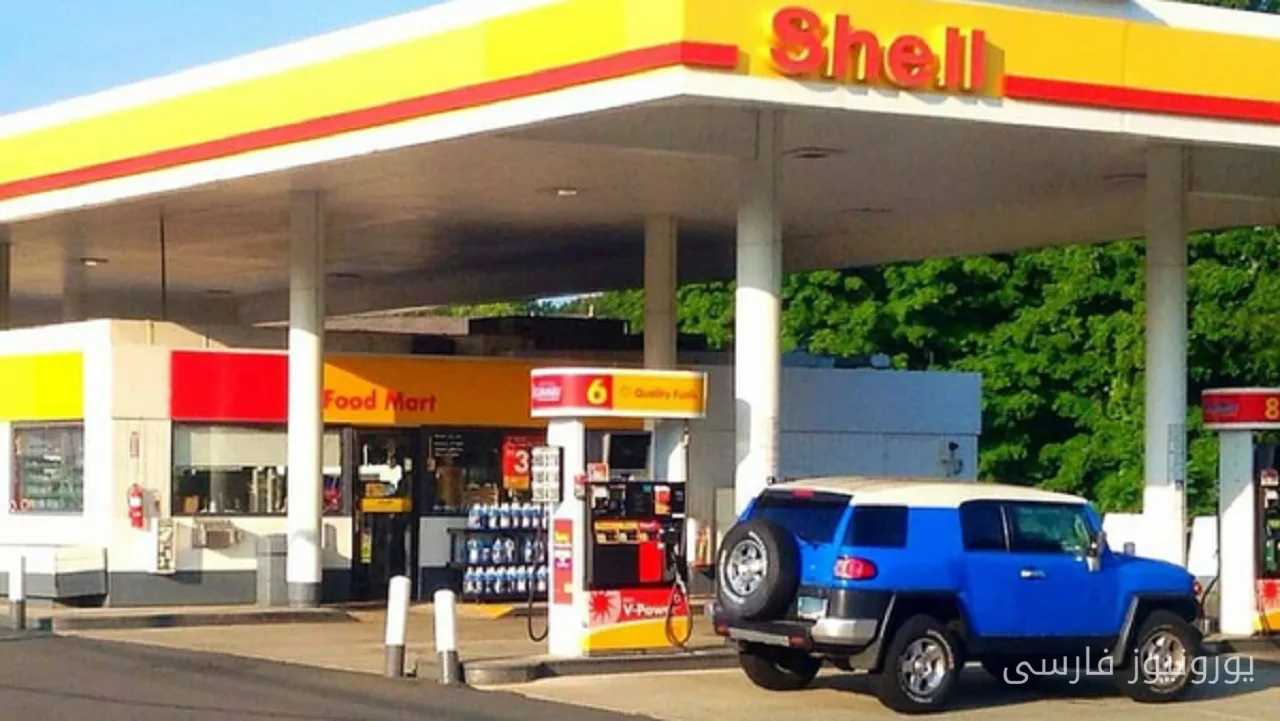
Reports indicate that prices at some gas stations have reached over 2 euros per liter, and this sudden increase has impacted the daily lives of people. Given that Germany is one of the largest fuel consumers in Europe, this price rise could significantly affect living costs and inflation.
Economic Consequences of Rising Fuel Prices
Experts believe that rising fuel prices could lead to increased prices for goods and services. This issue could lead to public dissatisfaction and pressure on the German government. Especially as people are still suffering from the economic repercussions of the COVID-19 pandemic, rising fuel costs could trigger new crises.
Ultimately, what is clear is that the ongoing tensions in the Bab-el-Mandeb Strait will not only affect fuel prices but also impact the economic and social stability of Germany. This situation requires prompt attention and action from officials and policymakers to prevent deeper crises.