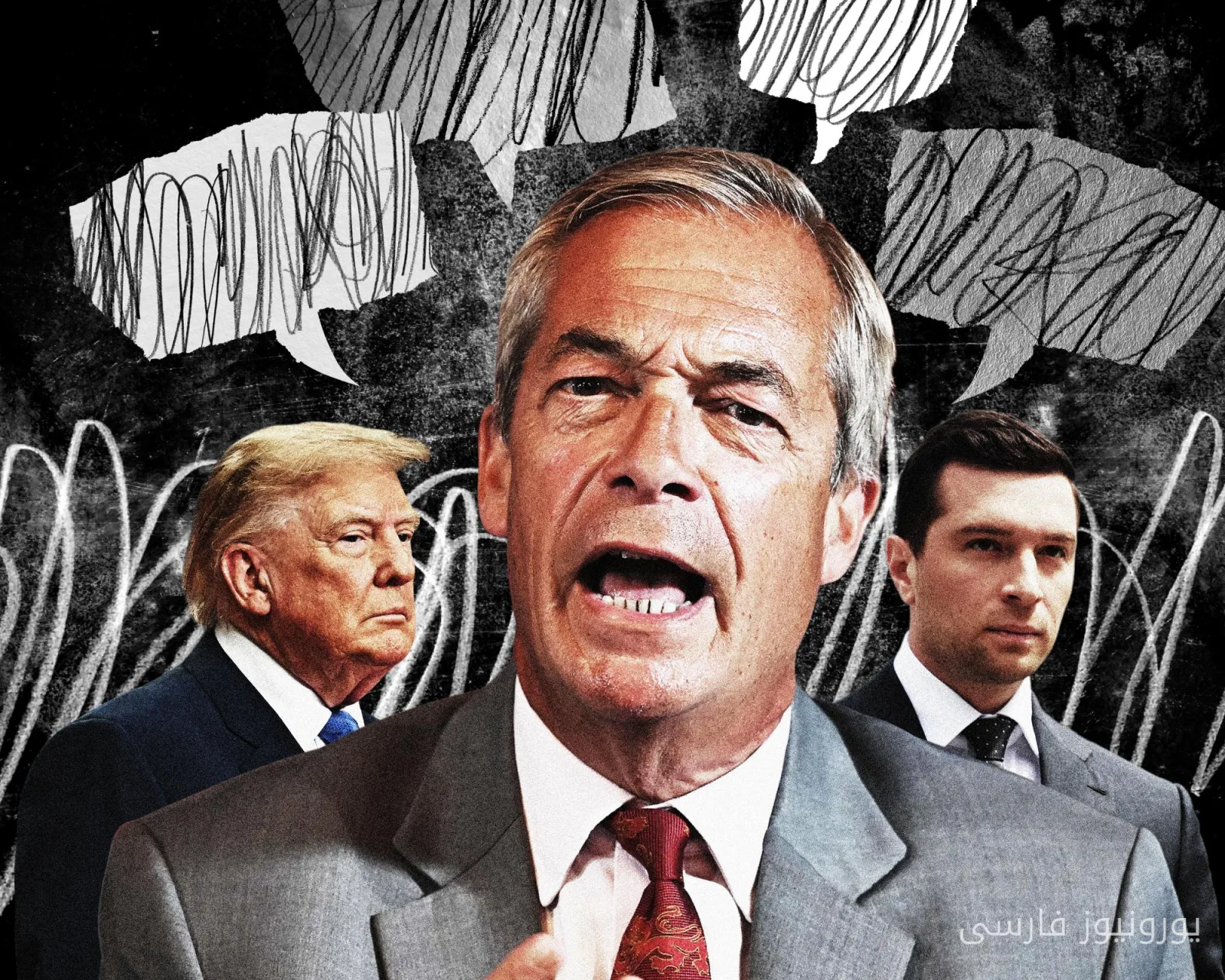
In recent years, Europe has faced serious challenges in the realm of democracy. The rise of populism, extremism, and the weakening of democratic institutions have raised serious concerns at the international level. It seems that European democracies are rapidly approaching the edge of a cliff, which poses a serious alarm for the future of this continent.
Identity Crisis of Democracy
Social and economic changes, especially following the global financial crisis and the COVID-19 pandemic, have led to a weakening of public trust in democratic institutions. Many citizens, dissatisfied with the performance of governments and political institutions, have turned towards extremist and populist groups. These changes have not only weakened democracies but also pose a serious threat to the fundamental values of human rights and civil liberties.
European leaders must respond to these challenges, but this reflects their inability to create a sustainable social and economic cohesion. While some countries have taken serious measures to strengthen democratic institutions, others are mired in internal disputes and corruption, leading to further weakening of democracy.
Is Time Running Out?
The future of democracy in Europe is heavily dependent on political choices in the coming years. Will political leaders be able to confront the existing challenges and restore public trust? Or will democracies move towards a non-democratic and authoritarian system? These are questions that will impact the future of Europe.
Ultimately, if European democracies cannot respond to these challenges, we may witness the historical collapse of one of humanity's greatest achievements in the twentieth century. Can this continent remain faithful to its values, or will it move towards darkness and uncertainty?