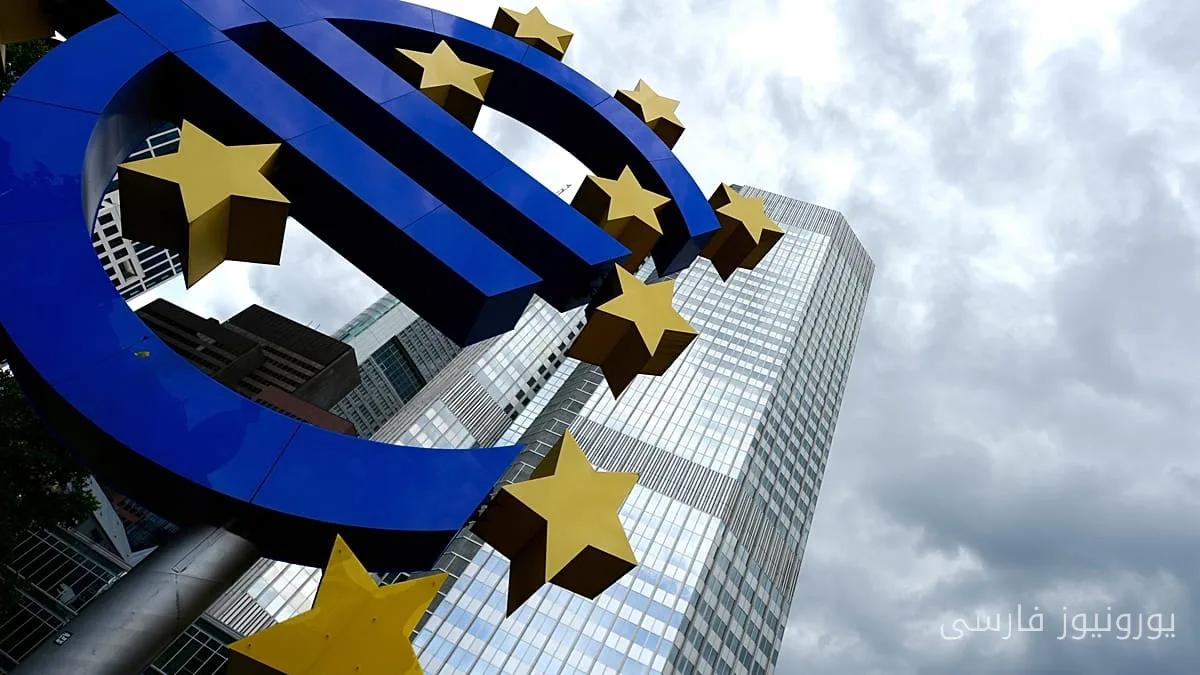
In the world of economics, nothing grabs attention like an interest rate hike. The European Central Bank (ECB) has recently decided to raise its interest rate to 2.5%. This increase, which is by a quarter of a percent, has significantly impacted the economic situation in the Eurozone due to the energy crisis stemming from the Iran war.
Central Bank's Response to the Energy Crisis
The war in Iran and its repercussions on energy prices have forced the European Central Bank to react swiftly. Inflation in the Eurozone has risen significantly, and this economic pressure has compelled the central bank to adopt stricter measures. This is the second time in three months that the ECB has taken such action, indicating deeper concerns about Europe's economic future.
Many analysts believe that this interest rate hike is merely a temporary response to the current crisis and that we may witness further increases in the near future. As energy prices remain volatile, the economic future of the Eurozone is directly influenced by these developments.
Challenges Ahead
While the ECB seeks to control inflation, there are other challenges facing this financial institution. Improving the economic situation and controlling unemployment alongside inflation are among the issues that the central bank must address. Responding to the current crisis is just one step in this complex journey.
Now it remains to be seen whether this interest rate increase can help control inflation or if it will bring about other negative effects. In any case, the European Central Bank is in a position where it must closely monitor economic developments and take actions commensurate with the circumstances.