Following the increase in tensions in the Persian Gulf, Hossein Mohibi, spokesman for the Revolutionary Guard, announced the six conditions of the Islamic Republic for ending the war. These conditions come at a time when Tehran has specified that it has expanded its operational range from the Strait of Hormuz to parts of the Sea of Oman and the Arabian Sea.
Expansion of the "No-Go Zone" and Its Consequences
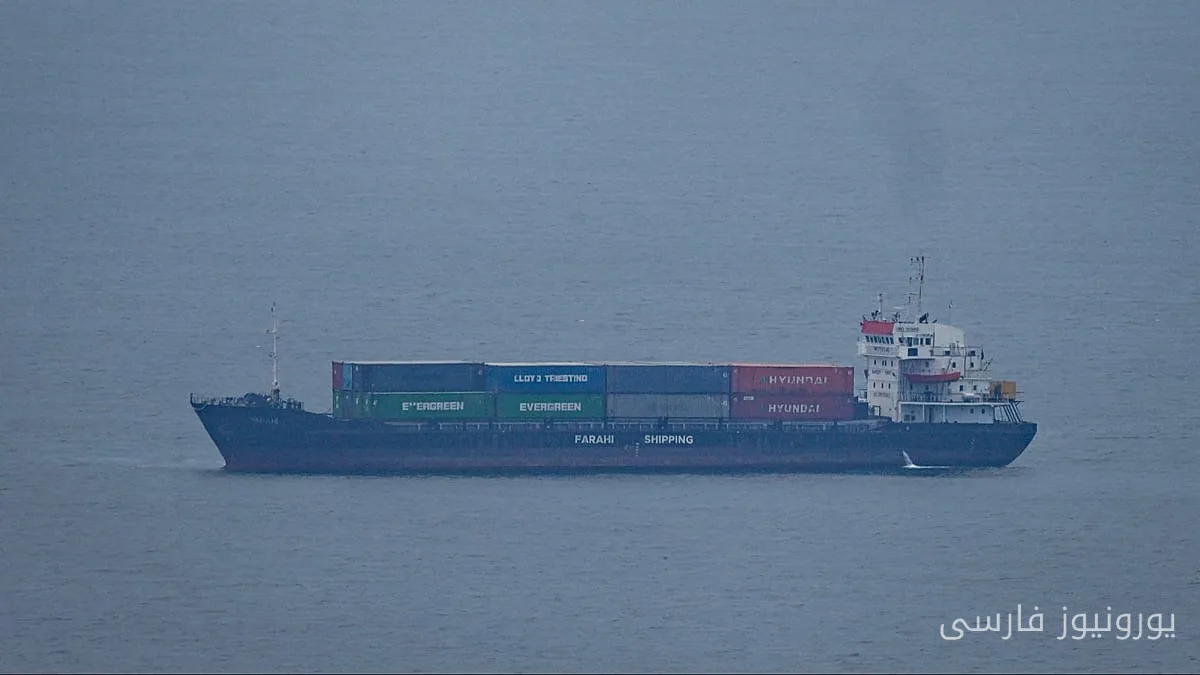
The decision to expand the engagement zone with vessels means increased risks for commercial ships and oil tankers in these sensitive waters. Especially as political and military tensions in the region have reached their peak, this action could lead to a higher likelihood of military confrontations.
Mohibi also referred to the details of the six conditions of the Islamic Republic, which seem aimed at gaining more concessions in future negotiations. These conditions include matters such as the cessation of sanctions, non-interference in Iran's internal affairs, and ensuring the security of shipping in this region. These conditions clearly reflect the firm stance of the Islamic Republic to protect its interests against external threats.
The Future of the Persian Gulf in Uncertainty
Analysts believe that the expansion of the "No-Go Zone" not only fuels tensions but could also impact the oil market. Given the high sensitivity of this region and its importance for global trade, any conflict could have serious consequences for the global economy. In this situation, regional countries and global powers must seek diplomatic solutions to reduce tensions.
Considering recent developments, it seems that the Persian Gulf will soon become a battlefield where not only Iran but also other countries will play a role. Therefore, the future of this region remains uncertain, and it remains to be seen whether diplomacy can provide a solution to exit this crisis.