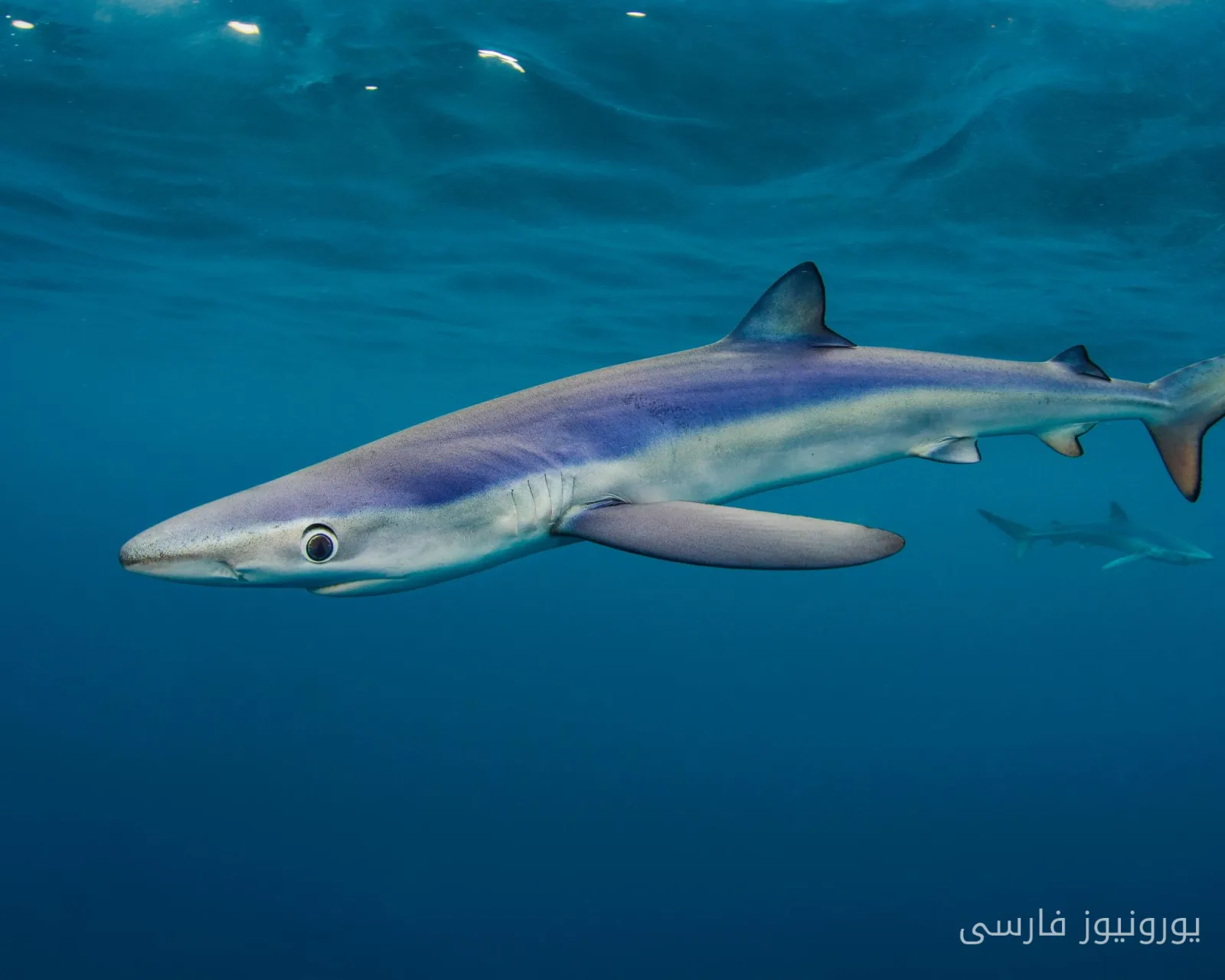
A new and exciting project to study and protect three vulnerable shark species in the waters of Britain will soon begin. This project, designed by a group of scientists in collaboration with local fishermen, will examine the lives of porbeagle, tope, and blue sharks. These species are severely threatened due to a lack of information and environmental threats, and scientists hope to gain a better understanding of them through this research.
Sharks We Should Know
Dr. Lucy Hawk, a professor at the University of Exeter and one of the supervisors of this project, passionately talks about the beauty and mysteries of these sharks. According to her, porbeagle sharks, which are somewhat similar to great white sharks, can even be spotted in the waters near the shores of Britain. However, contrary to popular belief, these creatures are not dangerous to humans and are more often recognized as fascinating and amazing beings.
This project provides an opportunity for local fishermen to work alongside scientists and collect information about these species. This collaboration can significantly raise public awareness about the importance of protecting these species and marine ecosystems.
Challenges and Opportunities
With increasing awareness of the concerning status of these species, there is hope that effective measures will be taken to protect them. Dr. Hawk and her team believe that this project can help clarify many uncertainties regarding the lives of sharks and their interactions with other marine creatures. This research is not only beneficial for marine ecosystems but can also aid in preserving biodiversity.
Ultimately, this project represents a collective effort to protect the underwater world and the amazing creatures that inhabit it. Are we, as humans, ready to take on the responsibility of protecting these species?