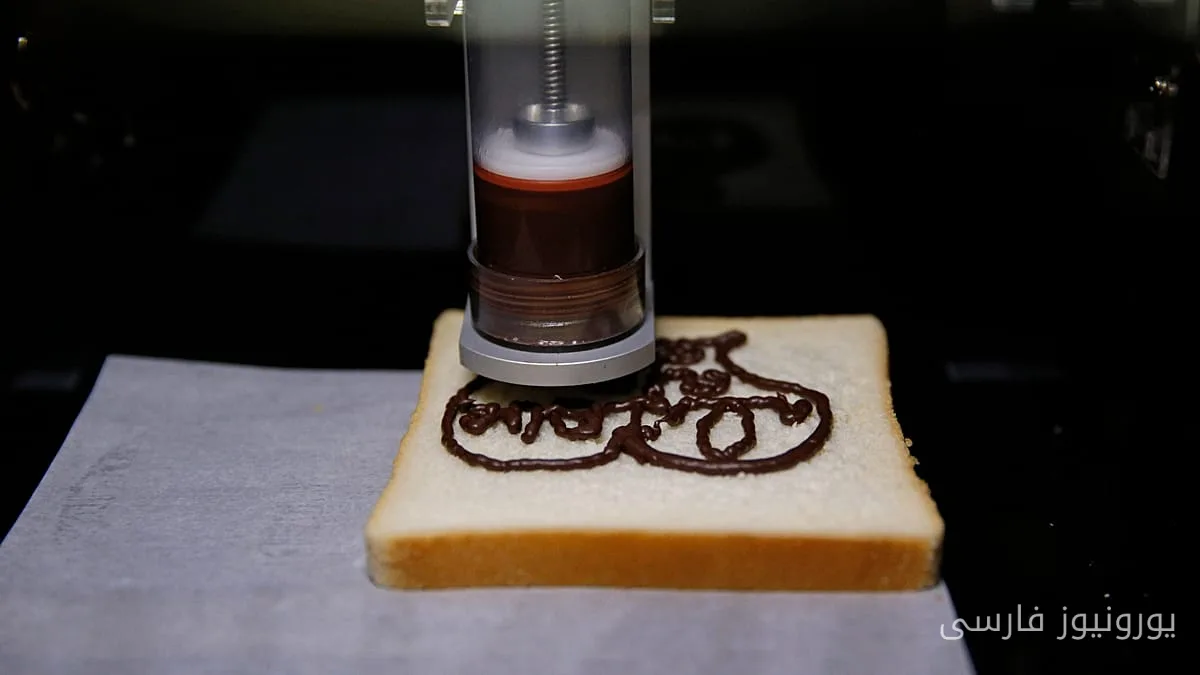
3D printing technology is rapidly changing the face of various industries and has now entered the world of food. With this technology, over two dozen types of food can be transformed into edible and appealing shapes, from pasta and chocolate desserts to protein-rich meals.
Abundant Potential in Health and Personalized Nutrition
Although this technology still seems costly and impractical for everyday use, experts believe it can revolutionize areas such as clinics, care homes, and personalized nutrition. This technology can help individuals better control their diets and meet their specific dietary needs.
As 3D printing technology advances, the possibility of producing foods with desired shapes and textures becomes easily achievable. This will be particularly beneficial for individuals who require special diets for medical reasons, such as diabetic patients or those recovering from illness.
Challenges of Technology and Uncertain Future
Despite all the advantages, there are also challenges along the way. The high costs of equipment and the need for expertise in designing and producing printed foods are major barriers to the expansion of this technology. Additionally, there are concerns about the safety and quality of food produced through this method that need to be carefully examined.
However, experts are optimistic about the future of this technology and predict that in the coming years, 3D food printing could become a common part of our daily lives. Will there come a day when anyone can design their dinner as they wish with a 3D printer?