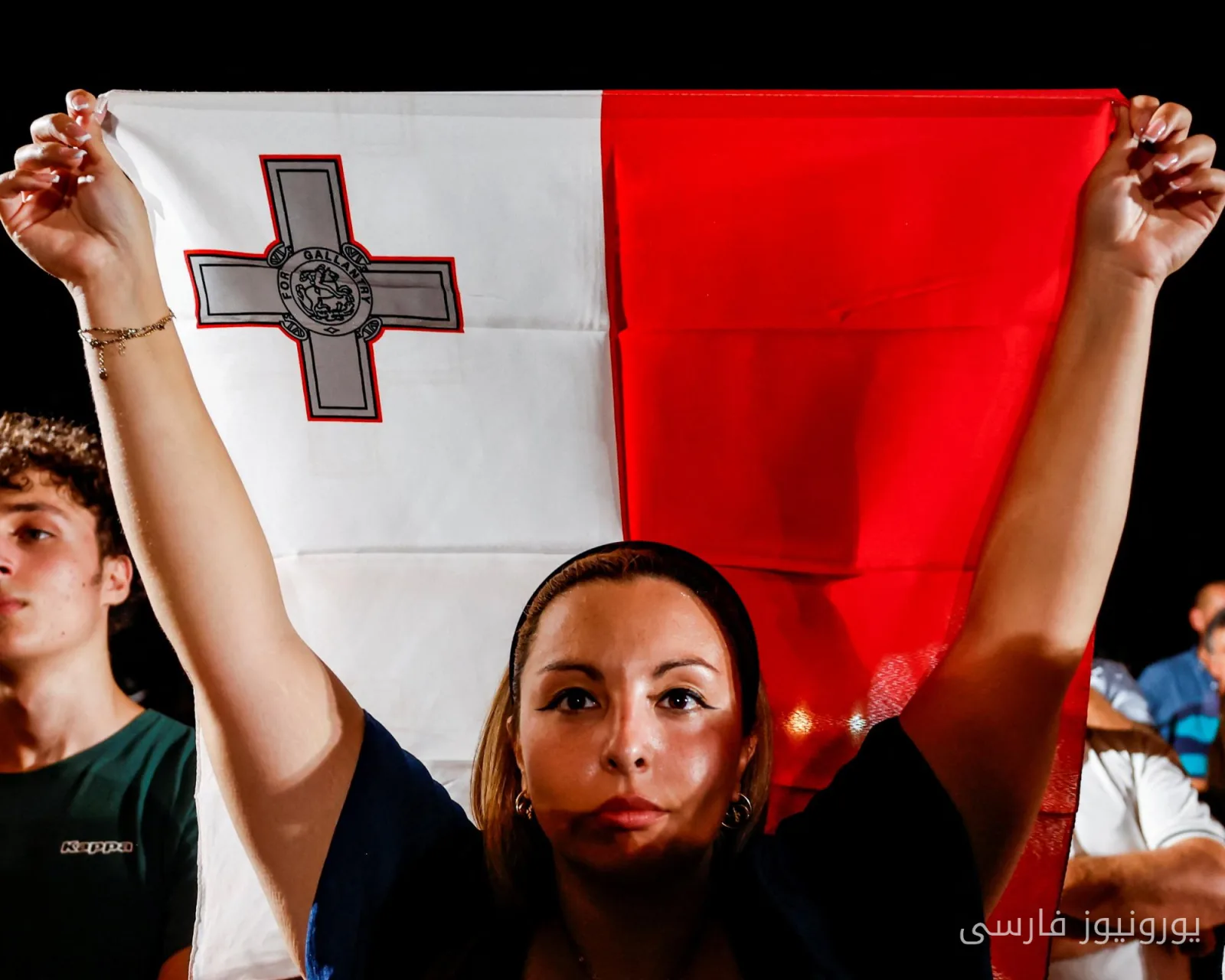
Malta, as a small but challenging country on the global stage, is now facing serious warnings about high-level corruption. These warnings have emerged particularly after the assassination of an anti-corruption journalist who lost her life in 2017. A new investigation emphasizes that if Malta does not act swiftly and strengthen the necessary laws and protections for journalists, the country may fall back into a deeper corruption trap.
Legal Challenges and Serious Risks for Journalists
Shami Chakrabarti, a member of the British Parliament and human rights activist, clearly stated at the beginning of this investigation that the failure to enforce laws and legal protections still puts journalists at risk. She specifically pointed to the problems that journalists in Malta face and emphasized the need to strengthen the rule of law and protective systems for this segment of society. This has become especially important following the murder of Daphne Caruana Galizia, the renowned anti-corruption journalist.
Chakrabarti also noted that if the Maltese government does not take serious and immediate action, the journalistic community in the country will face serious challenges and greater dangers. She highlighted the necessity of creating a safe environment for journalists, stating: "Without security for journalists, democracy is at risk."
The Urgency of Immediate Action to Prevent Future Disasters
Recent investigations show that neglecting laws and international standards can lead to the recurrence of similar disasters. While countries seek to strengthen their rule of law, Malta must learn from these experiences and act swiftly. Serious and effective action in this regard will benefit not only journalists but the entire community.
Ultimately, there is no doubt that Malta is at a critical crossroads. If this country does not consider improving conditions and strengthening protections for journalists, it may soon face serious crises and corruptions that could have easily been prevented.