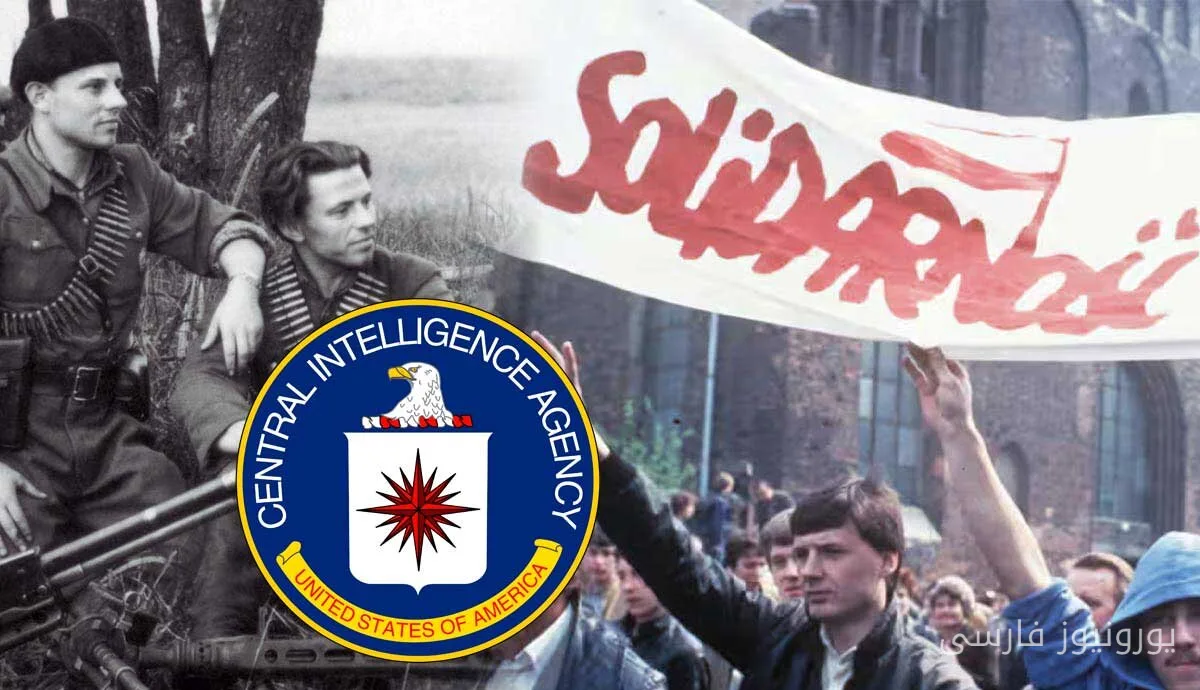
When the Cold War began after World War II, the United States and its allies were deeply concerned about the communist threat in Europe. At this time, the CIA emerged as a leading force in combating Soviet influence, planning and executing complex covert operations in Eastern Bloc countries. These operations not only helped strengthen the position of the United States but also gradually weakened the Eastern Bloc from within.
The Start of CIA's Covert Programs
In the 1950s, the CIA sought to identify the weaknesses of communist regimes and infiltrate the populations of these countries using intelligence and espionage tools. The main goal was to create a wave of public dissatisfaction and popular uprisings by undermining public trust in these regimes. In this regard, the CIA utilized various techniques such as funding opposition groups, creating espionage networks, and even planning sabotage operations.
Infiltration of Media and Culture
One of the key strategies of the CIA was to infiltrate the media and culture of Eastern Bloc countries. By establishing Radio Free Europe and other supported media outlets, the CIA broadcast information that challenged the communist systems. These media not only delivered distorted news to the public but also promoted Western culture. This led to a gradual shift in public perception towards communism and its values.
Consequences of CIA Operations
The CIA's covert operations not only helped weaken communist regimes but also paved the way for significant changes in Europe. These changes ultimately led to the fall of the Berlin Wall and the collapse of the Soviet Union. But were these operations entirely successful? Many analysts believe that these methods were effective in the short term, but in the long term, they caused new discontent among the populations of the affected countries.
Overall, the CIA's covert operations in Europe not only represent an important aspect of the Cold War but also illustrate the complex and sometimes illegal efforts of the United States to maintain its dominance over the world. This lesser-known story reminds us that history does not always have a one-sided narrative, and major global events are influenced by decisions and actions taken in the shadows and behind the scenes.