In a unique project, scientists in the Arctic region of Alaska are investigating whether the ecosystems in this area can adapt to the changes brought about by the climate crisis. In this regard, they carefully walk among the tussocks and rushing streams on the snow-covered slopes of the Brooks Range.
Research in the Heart of the Frozen Nature
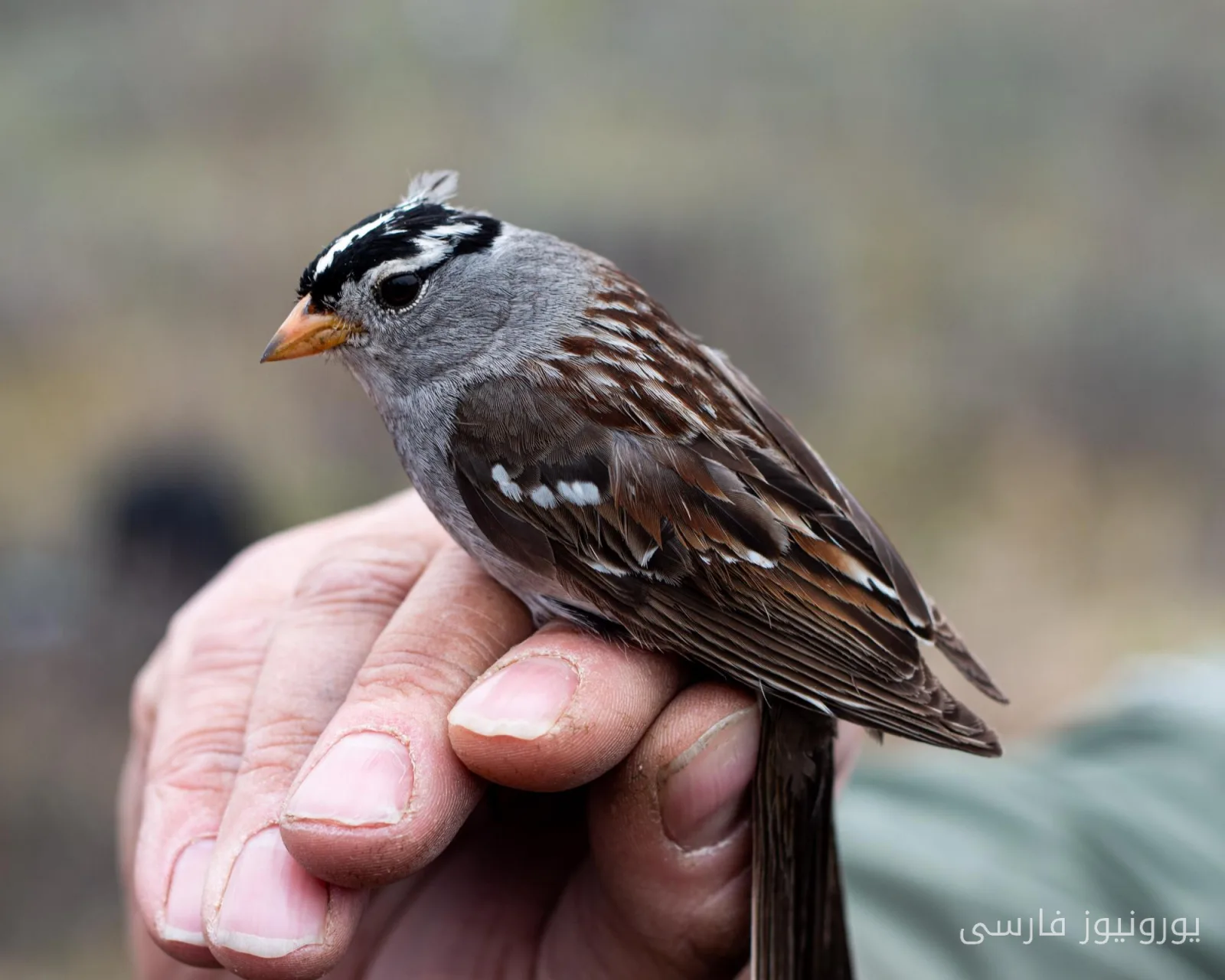
Near the Galbraith River, the research team is setting up a mist net to catch white-crowned sparrows. These birds have recently migrated from southern regions in search of insects that will soon rain down on the tundra like storm clouds. The Arctic summer is very short, and the sparrows have only a few weeks to establish their territories, mate, lay eggs, and raise their chicks on a diet rich in insects.
Scientists collect blood, feather, and fecal samples from each bird that is caught to examine what they eat and how this diet changes throughout the summer. These studies can help improve our understanding of ecosystem changes and how species adapt to one another.
Collaboration or Survival?
The main question of this research is whether the future of Alaska's ecosystems is shaped by survival of the fittest or by adaptation and collaboration among species. This issue could transform our understanding of climate change and its impact on wildlife and ecosystems. Given the rapid changes in climate, the need for new solutions and collaboration among species is felt more than ever.
This project seems to be a turning point in biological and ecological research and may help us find answers to the significant challenges of the future. Can Arctic ecosystems continue to survive through collaboration and adaptation? Only time will tell.