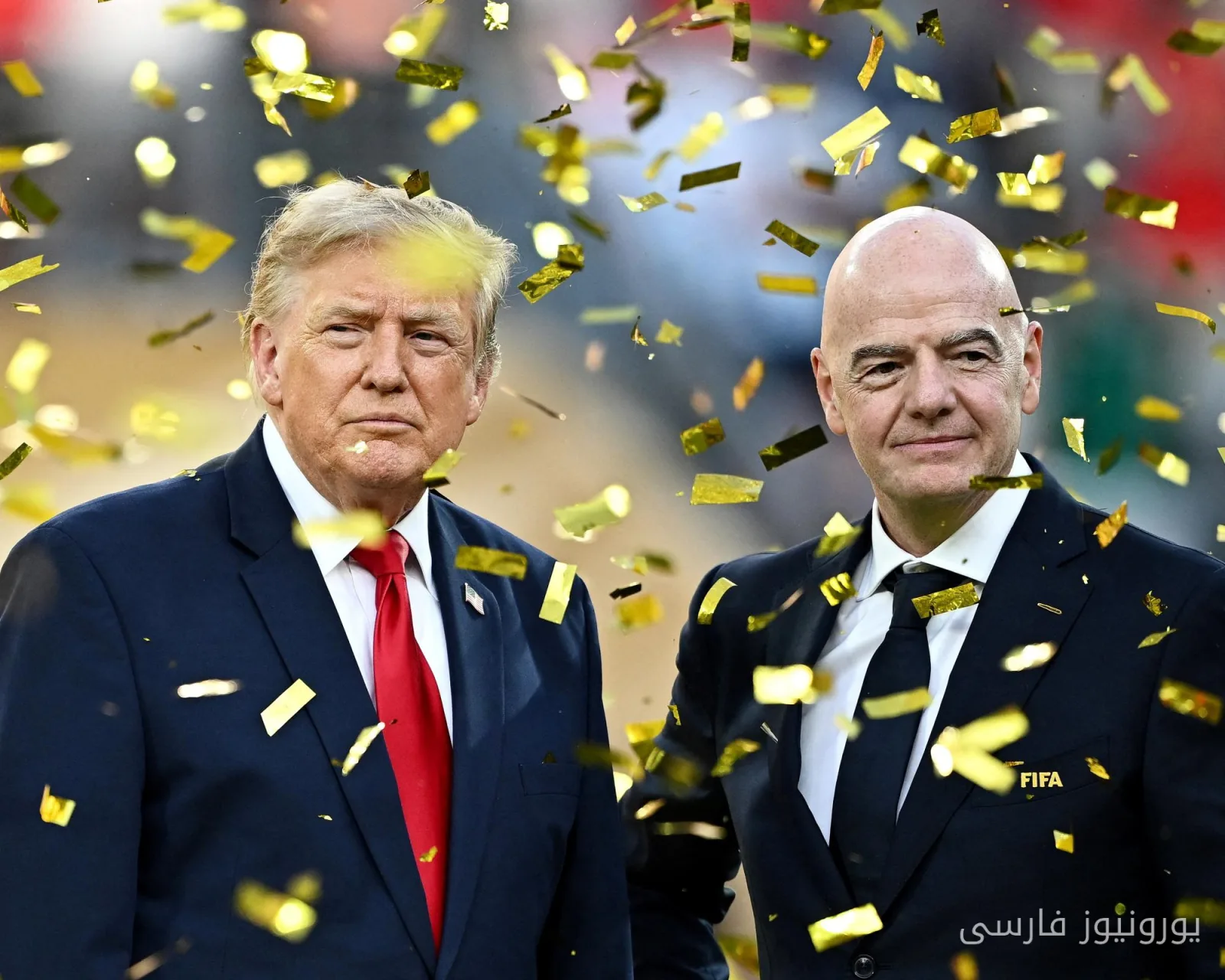
The 2026 World Cup, as a unique sporting event, provided a remarkable opportunity to discuss the power of sports and its impact on various cultures. However, after the conclusion of this festival, Gianni Infantino entered the scene with a political bombshell, proposing that the World Cup be held privately with an injection of $20 billion in private investment, a plan that is being executed in collaboration with JP Morgan and Thrive Capital, managed by Joshua Kushner, the brother-in-law of Donald Trump.
Challenges Facing Global Football
The idea of privatizing the World Cup has not only raised significant concerns among football fans but has also posed serious questions about the future of the sport. Will this move lead to reduced accessibility and increased costs for fans? And will football, known as the people's game, be influenced by private interests?
There is considerable criticism of this decision, with many believing that such changes could undermine the spirit of football. In a world where sports are recognized as a tool for unity and solidarity, these changes could lead to further division and rifts among fans.
Need for Independent Oversight
To prevent excessive power from capitalists in the realm of football, there is a need for independent oversight from governments and non-governmental organizations. This oversight could help preserve the core values of football and prevent it from becoming merely an economic commodity. Given recent developments, the question arises whether FIFA can navigate these challenges or if it will fall into the trap of capitalism.
Ultimately, the future of football depends on our choices. Will we move towards a private and capital-driven world of football, or can we preserve the core values of this sport through cooperation and solidarity?