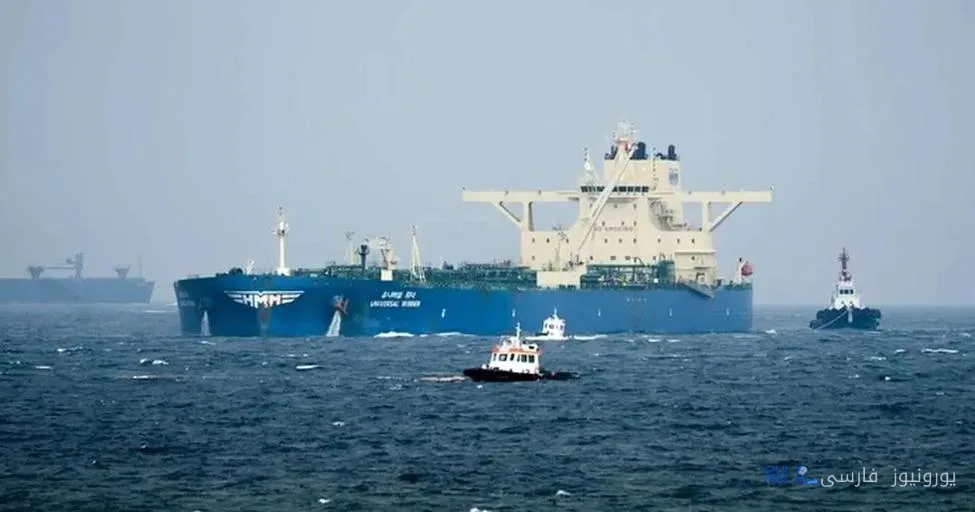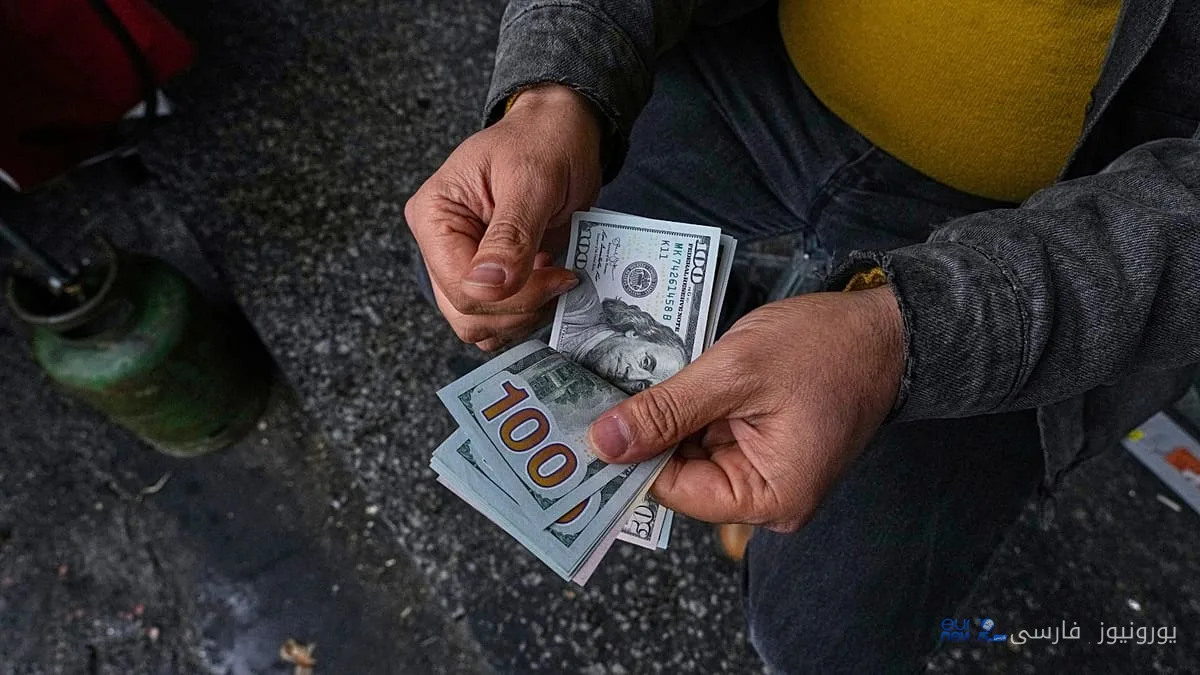
As Donald Trump, the President of the United States, seeks to cut Iran's access to the global financial system as part of the "Economic Exile Operation," a big question arises: Can American banks really win this economic war? Evidence suggests that these efforts face serious challenges and there are vulnerabilities in this campaign.
The Role of American Banks in the Economic Exile Operation
It seems that American banks, as the main players in this scenario, have become vulnerable to this operation. While the Trump administration aims to create a financial barrier for Iran, banks, due to their need for profit and maintaining trade relations with other countries, have actually put themselves at risk.
Research shows that Iran can easily move billions of dollars through the American financial system using informal financial networks and innovative methods. These methods include the use of cryptocurrencies, informal transactions, and establishing financial relations with countries that do not adhere to the sanctions.
Economic and Political Consequences
This situation not only affects Iran's economy but could also have political repercussions. If American banks cannot effectively prevent the influx of Iranian money, it could call into question the Trump administration's credibility in managing sanctions. Moreover, this issue could pave the way for further tensions in international relations.
Given these developments, it seems that Trump's "Economic Exile Operation" has turned into a complex dilemma instead of moving closer to its goal. Is it not time for the U.S. government to reconsider its strategies? In today's world, economic warfare cannot simply be in the hands of a few banks, and it appears that to maintain its position, the U.S. must adopt new strategies.