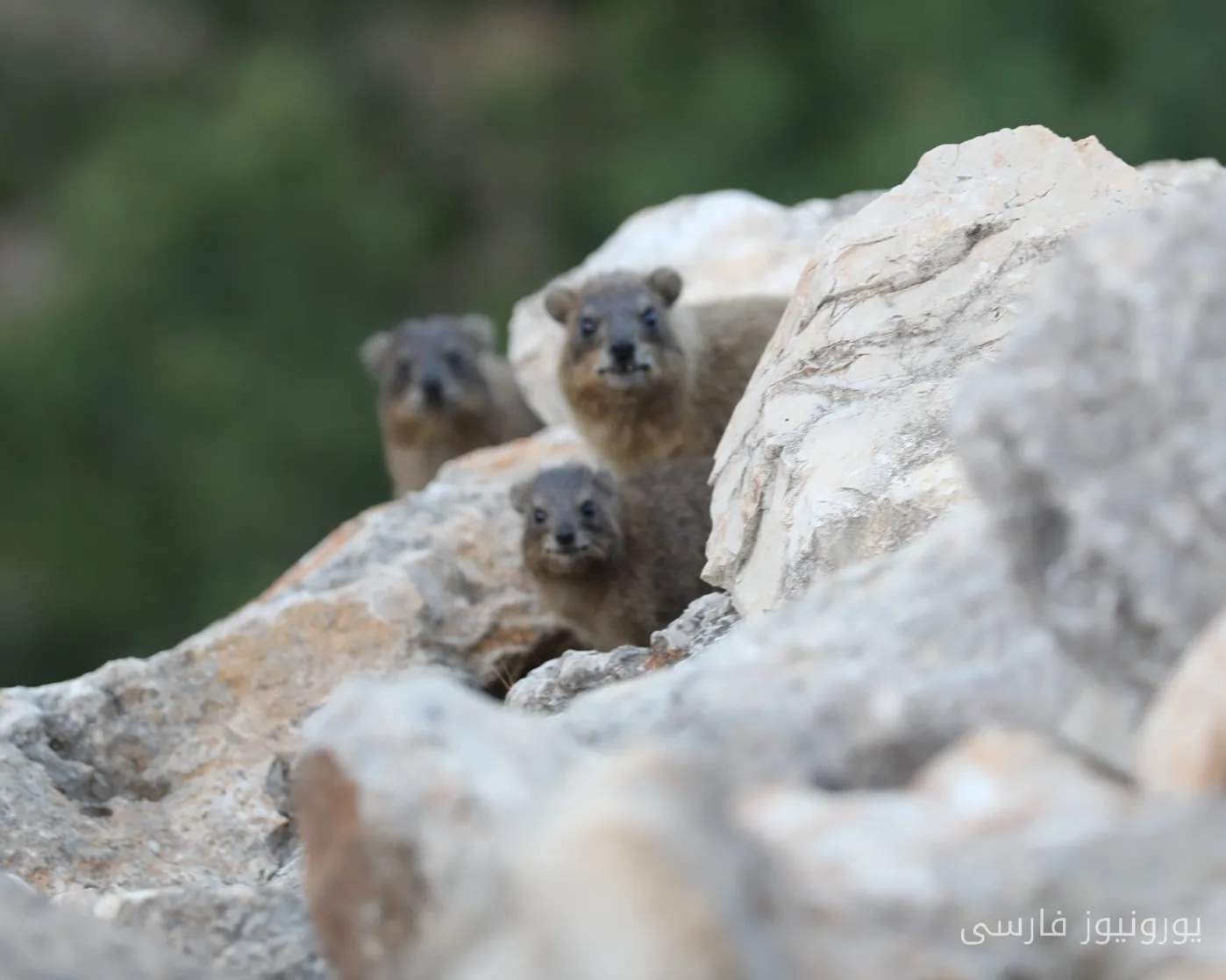
In the realm of war, the number of casualties and human destruction usually takes center stage, but what lies beneath the rubble tells a different and painful story. In southern Lebanon, repeated explosions not only destroy villages and claim human lives, but also obliterate the ancient and fragile habitats that have sheltered creatures like the "rock hyrax" for centuries.
An Environmental Catastrophe in the Shadow of War
Wars, especially in border areas, have devastating effects on the environment. With the destruction of rocky lands and forests, sensitive and diverse ecosystems are put at risk. The "rock hyrax," this small and furry creature, has a deep dependence on these natural landscapes. Yet, in the fire of this war, his homes and habitats are turned to ash.
As an environmental activist, I am documenting the damage that war inflicts on forests, wildlife, and fragile ecosystems in the border region. Our images and reports show how the destruction caused by war not only affects human lives but also has profound and negative impacts on biodiversity.
A Warning for the Future
This situation not only represents a humanitarian disaster but also serves as a warning for the environment. Although wars are often considered short-term events, their effects can last for generations. The destruction of habitats and animal species can have irreparable consequences for ecosystems and even humans.
The environmental challenges arising from the war in Lebanon are part of a larger crisis that requires immediate attention and action. We must acknowledge the reality that war does not only affect human lives but also impacts wildlife and the environment. This issue should be prioritized globally to prevent further damage.